
What to Ask at a Boston MetroWest Open House
Use an open house to understand how a specific home works, what still needs verification, and whether a second look is worthwhile.
Boston MetroWest real estate
Planning a move within Boston or between the city and MetroWest? Begin with the routines you want to keep and the ones you hope to change.
Compare the home with your actual weekly routes, space needs, and full monthly ownership costs.
Describe the property clearly and make the timing of your next move part of the sale plan.
Seller guidanceLocal reading
Use an open house to understand how a specific home works, what still needs verification, and whether a second look is worthwhile.
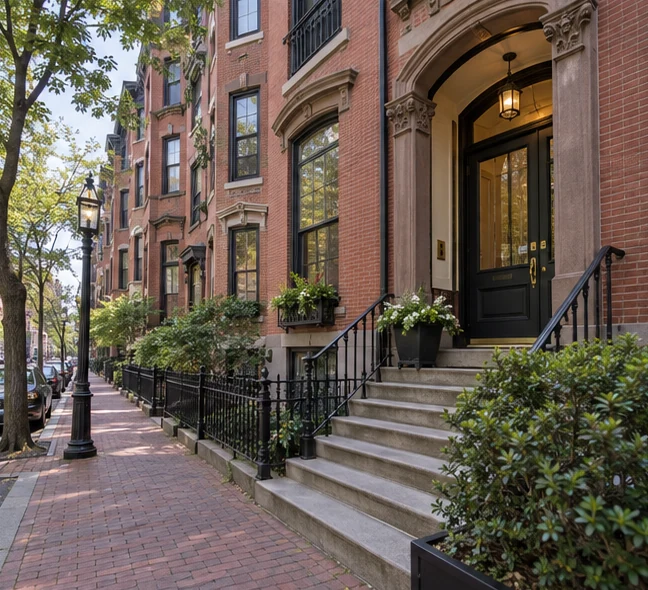
A condo tour includes the unit, the building, shared responsibilities, and documents that deserve a separate review.

Compare the time, expertise, communication, and written service scope each path requires before deciding how to sell.

Bring financing, property questions, inspection rights, and professional advice together before a home search turns into a rushed decision.
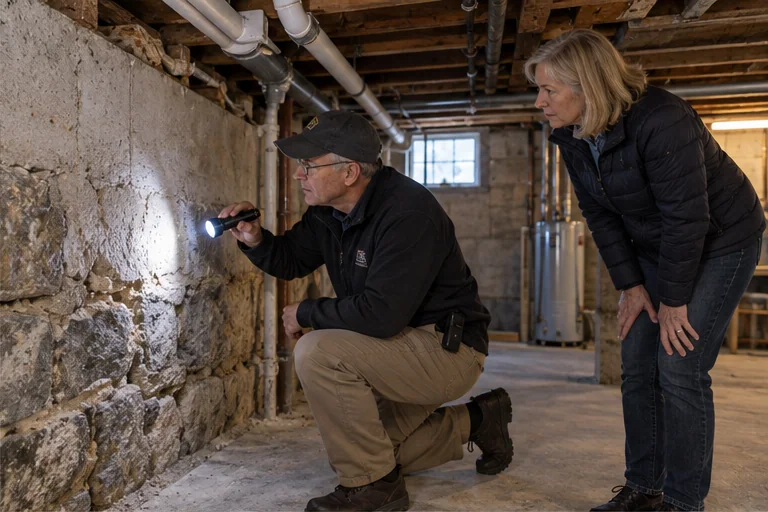
A focused way to record visible questions about a home's structure, systems, water, and maintenance before choosing the right professionals.

A practical reading order for association records, building responsibilities, budgets, and questions to take to your attorney.

Coordinate video tours, local records, professional reviews, and decision time when you cannot be in Greater Boston for every showing.

Keep the transaction moving by assigning each document, property review, lender request, and deadline to the right person.
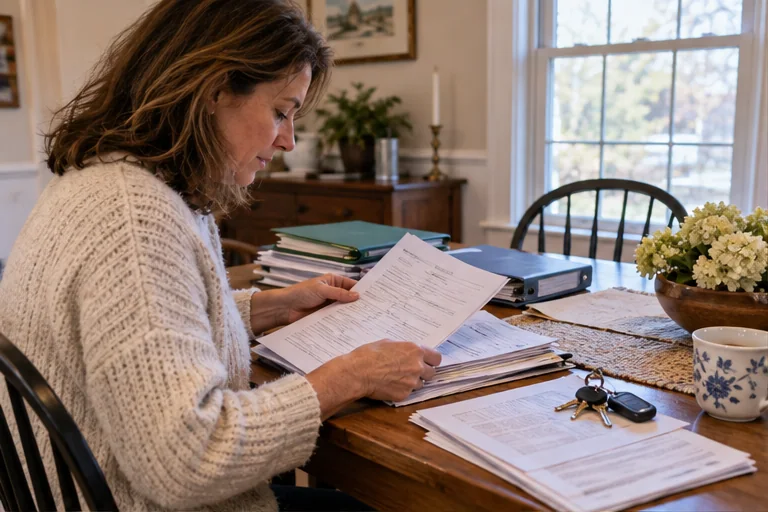
Create a useful property file for a listing conversation without guessing which records are complete or legally required.

Coordinate access, building records, unit presentation, and accurate answers before a Boston condominium goes to market.

Look beyond fresh finishes to compare systems, records, schedule, financing questions, and the work you are prepared to coordinate.

Learn which records and professionals can help you understand a property's access, recorded rights, and boundary questions.
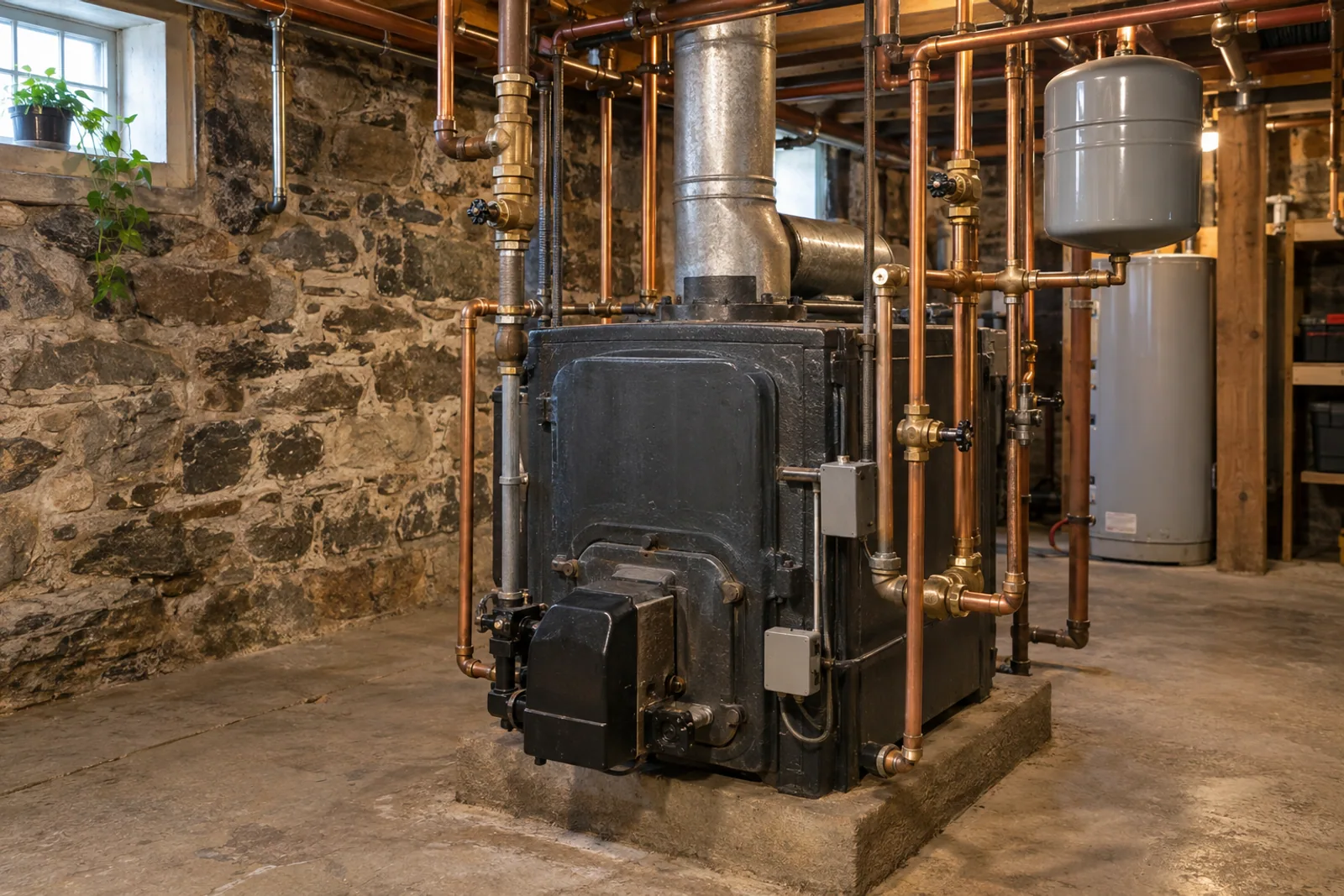
Build a property-specific systems review without mistaking a quick showing for an inspection or a repair estimate.
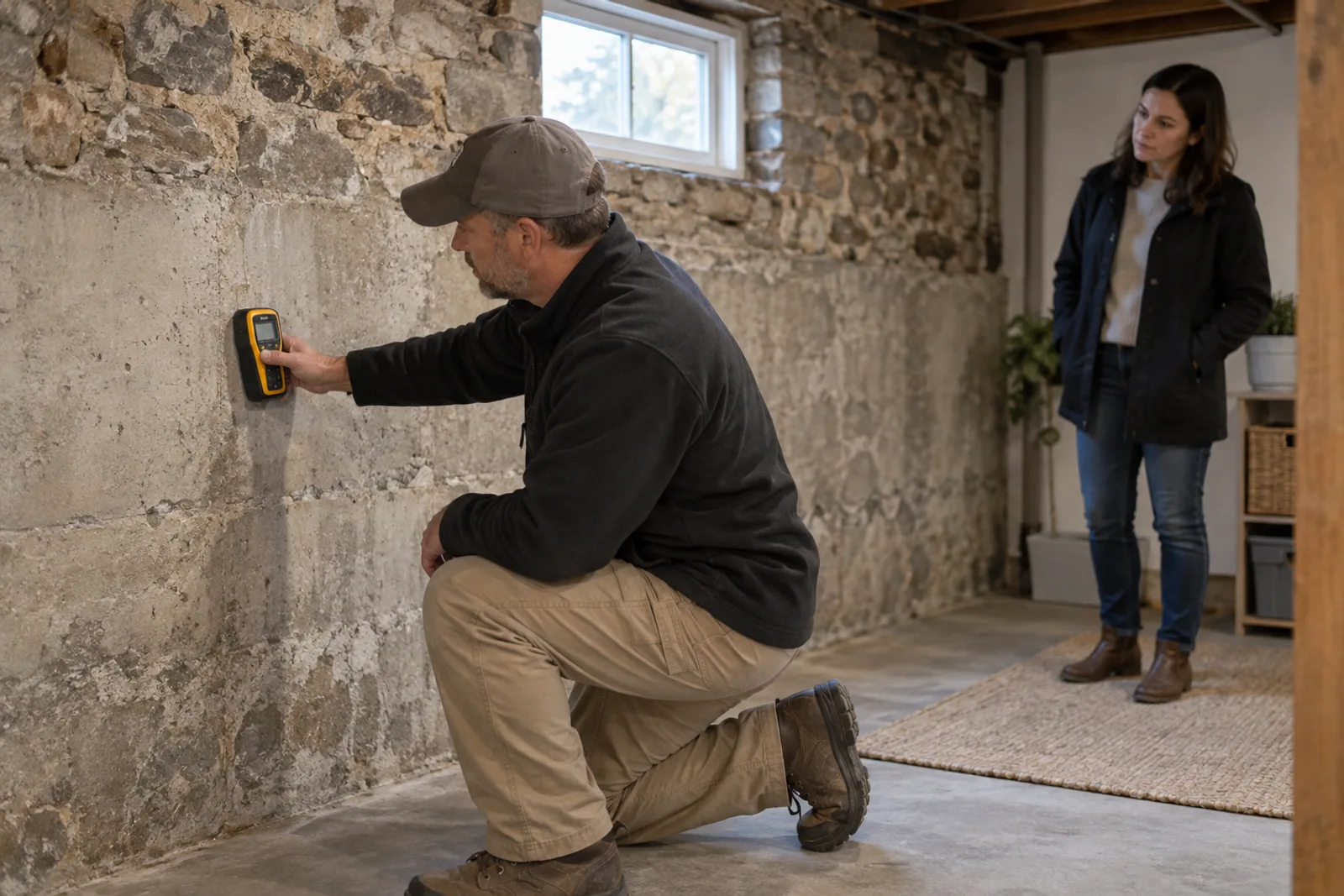
Match each home-buying question to the professional who can answer it, then track deadlines and open items by property.

Sort pre-listing repairs by safety, function, documentation, and presentation before committing money or time.
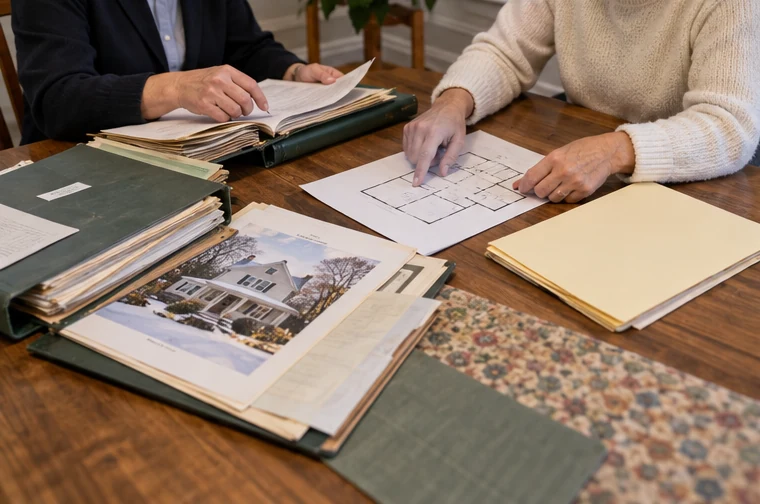
Organize maintenance, renovation, and system records so buyers can ask informed questions about an older Massachusetts home.
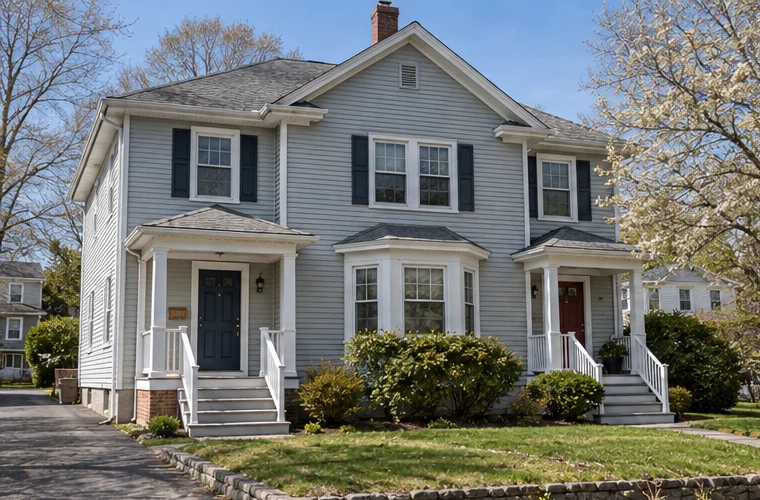
Prepare a clear set of unit, lease, maintenance, and utility records before listing a Massachusetts multi-family property.

Make an occupied home easier to understand during showings while keeping the spaces useful for the people who live there.

A room-by-room staging plan for a home that still needs to work for the people living in it.

Sort observations before listing so urgent questions, routine upkeep, and cosmetic choices do not get mixed together.

A structured way to compare the written terms, timing, and open questions in a buyer's offer without reducing it to one number.

A property-level framework for weighing a Boston condo against a Natick house, including documents, responsibilities, and real routes.

A practical handoff map for sellers after acceptance, built around signed documents, named owners, and verified dates.

A sequencing worksheet for sellers planning a next home, with timing, financing, fallback options, and professional questions in view.

Build a showing routine that protects household privacy, keeps pets safe, and respects the practical schedule of an occupied home.

Review unit status, leases, shared systems, records, and your own operating capacity before buying a two-family property.

A buyer's reading plan for the documents that explain a Boston condominium's rules, finances, shared work, and unit rights.
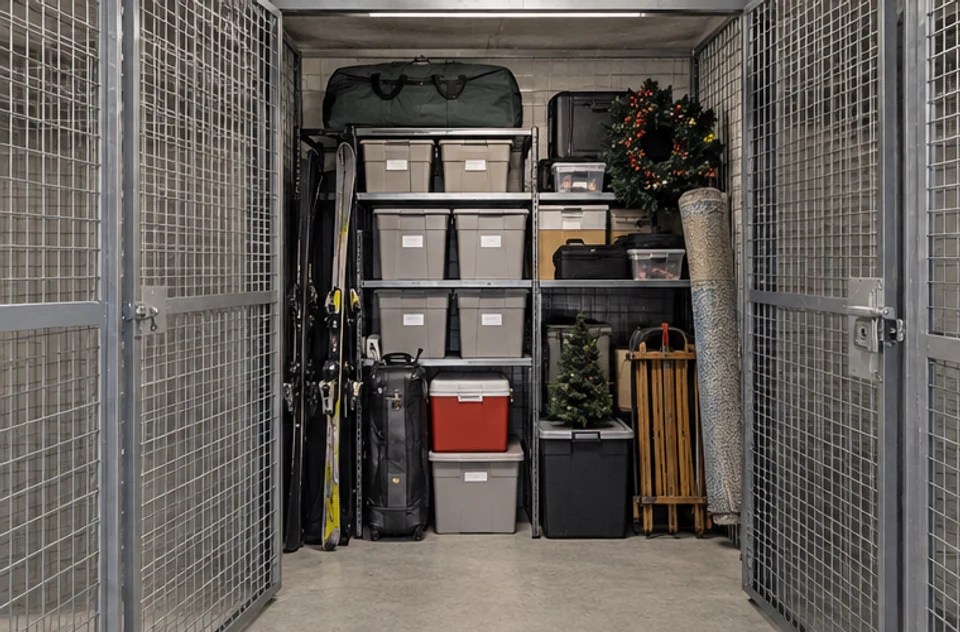
A practical document-and-tour checklist for confirming storage, parking, and shared-area use in a Boston condo.

A property-by-property comparison of documented history, current systems, unfinished questions, warranties, and ongoing care.

Evaluate comfort, utility records, system condition, and possible upgrades without assuming a rebate or savings figure.

Assess routes, thresholds, bathrooms, lighting, and future changes through the needs of the people who will use the home.
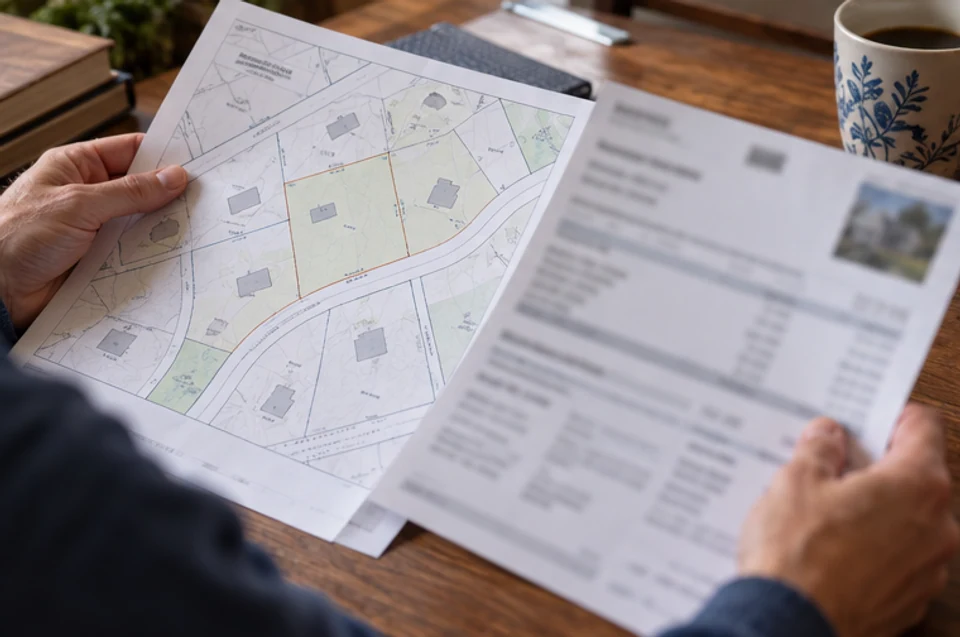
Understand the assessor record, current tax bill, exemptions, and unanswered questions without mistaking assessed value for a sale price.

Translate a Boston routine into a Natick search brief that accounts for the actual home, route, storage, and ownership work.

A repeatable address-level test for transit, driving, parking, transfers, and the parts of a commute an online estimate misses.

A Massachusetts seller's framework for comparing repairs, documentation, timing, and an as-is sale with qualified advisors.
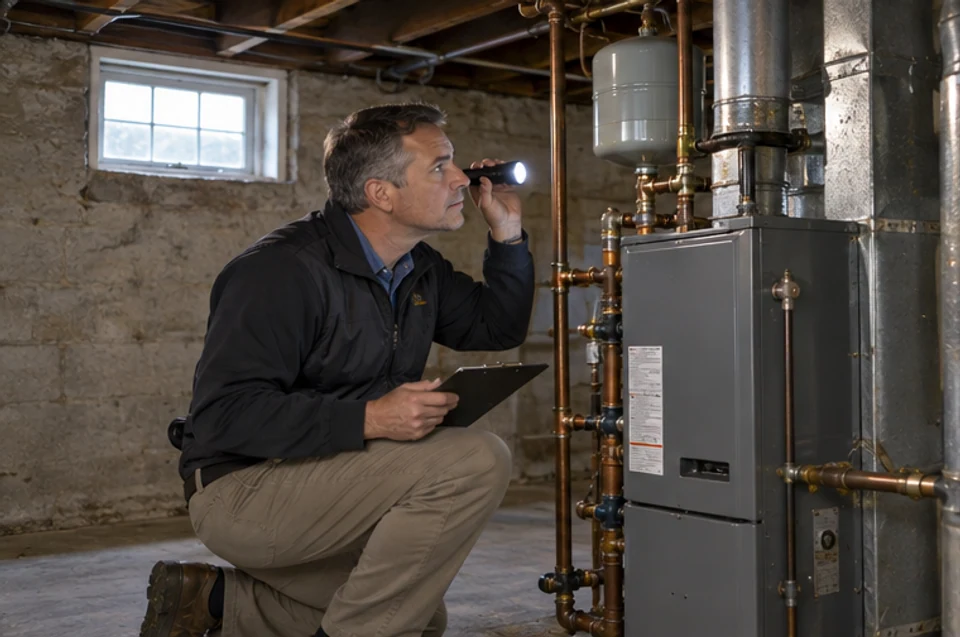
Organize inspection findings, route questions to qualified professionals, and discuss any response through the right advisors.

Prioritize in-person visits and professional review when a Boston-area search cannot include a tour of every promising home.

A clear starting path for buyers new to the state: financing, local records, inspections, property systems, and offer review.

A practical operations plan for the home, transaction, household, and service changes involved in a MetroWest move.

Compare the work, documentation, financing, and risk involved when a MetroWest property could become a home or a rental.
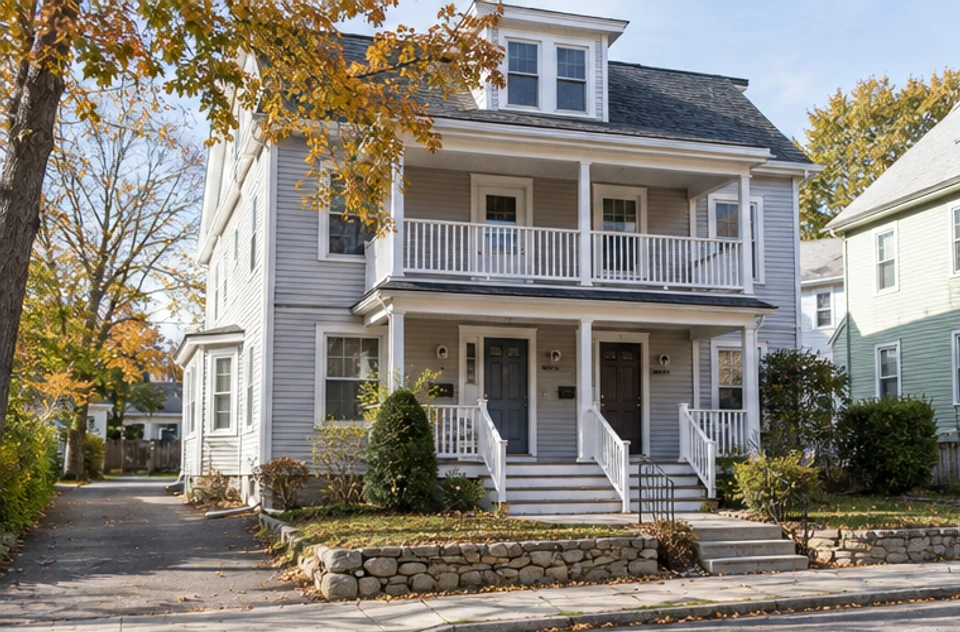
A practical due diligence list for rental property condition, leases, records, operating work, and the advisors to involve.

Check time, systems, records, service contacts, tenant communication, and reserves before deciding to manage a small property.

A secure document-review process for a Massachusetts rental purchase, with clear roles for the attorney, lender, inspector, and town.

Compare the actual systems, shared spaces, service records, and coordination work across different Massachusetts home types.

A town-by-town research plan for rental records, inspections, permits, leases, and the professionals who can confirm what applies.

Organize verifiable income and costs, repair records, tenant communication, and professional questions for a small rental property.

A candid pause-point framework for assessing workload, reserves, legal questions, and uncertainty before buying a multi-family home.

A structured worksheet for property identity, units, condition, operating records, local research, and the next professional question.

Bring a clear brief, not a perfect plan: organize your timing, towns, budget guidance, and open questions before the first call.

Compare listing agents through their scope, property-specific plan, communication, and written terms, not just a polished presentation.

Choose the language that helps you ask precise questions, confirm important details, and feel comfortable making a real-estate decision.

Turn the drive home into a clear record: what you observed, what someone told you, what needs verification, and what to do next.

Make listing alerts manageable by setting purposeful filters, checking each address, and moving promising homes into a dated shortlist.

Prepare a focused first seller meeting with the property story, your timing, available records, and decisions that still need attention.

Compare individual homes across Boston and MetroWest with one consistent record for addresses, sources, priorities, and open questions.

Turn an open-ended real-estate goal into one practical next action, the right professional, and the question that must be answered first.
Talk through this market
Share your timing and the property questions you are working through. Rita can help identify a useful next step.