Decide which homes deserve your limited visit time
If your Boston or MetroWest search cannot include an in-person tour of every listing, use a deliberate screening process. Start with a lender-reviewed budget, property types, move window, and the routes or spaces you need. Decide what would make a home worth a live tour and which questions can be answered from records or by qualified professionals.
Keep a shortlist with the address, listing date, source of each detail, and the next verification step. A staged photo or edited walkthrough is useful for early screening but may omit transitions, sound, street context, storage, or a room that is difficult to film. Do not treat polished media as a complete view of the property.
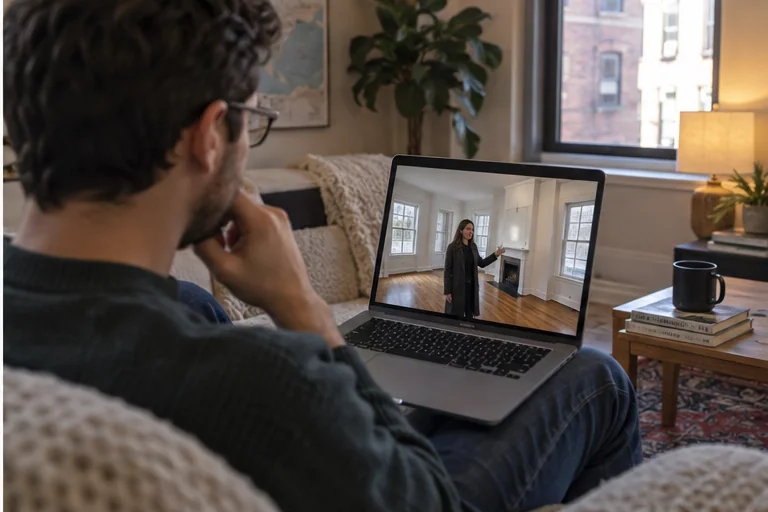
Request a complete live walkthrough
Before the call, send a short route through the rooms and questions you want addressed. Ask for exterior context, entries, stairs, storage, parking, mechanical areas when safely accessible, and the transition between spaces. Request a steady view and enough time to understand the layout. Ask the person showing the property to distinguish what they observe from what the seller states.
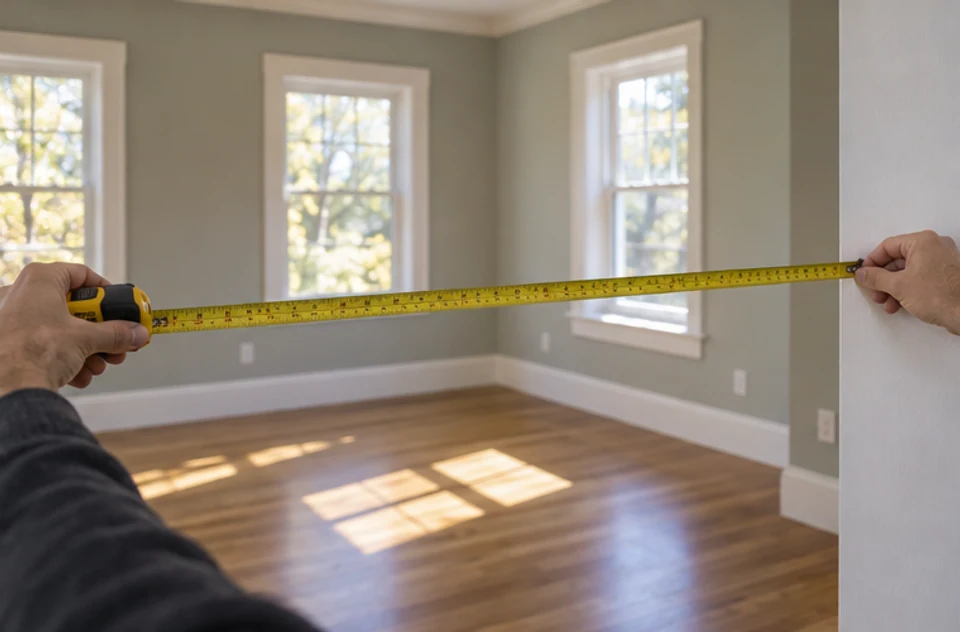
If dimensions matter, ask for measurements and verify them in person or with a qualified person before relying on them. Camera perspective can distort room size. A virtual call can help identify questions, but it cannot assess all materials, odors, noise, system function, or condition.
Use records to screen, not to skip review
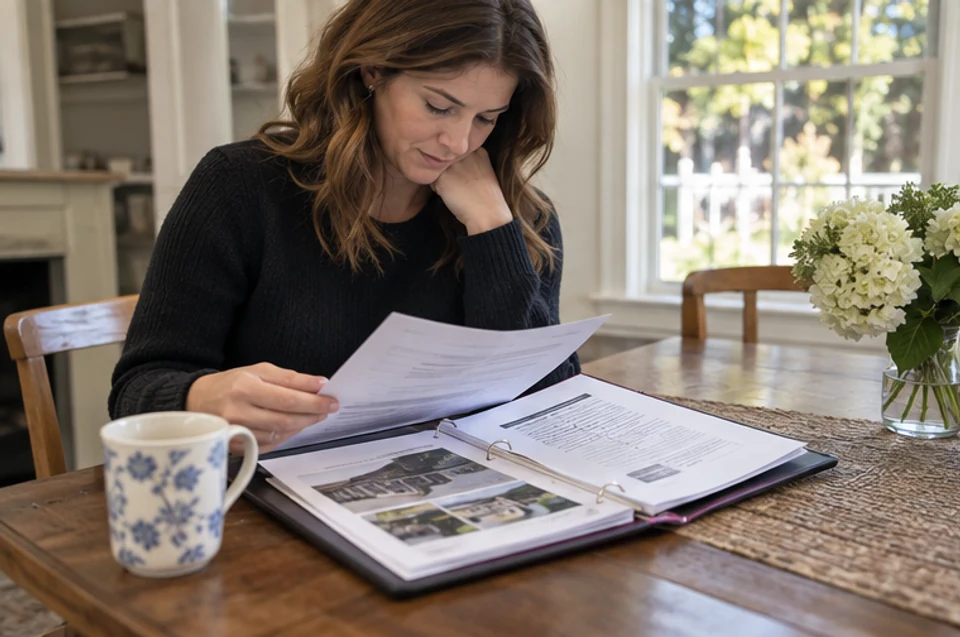
Ask for disclosures, available inspection or service reports, permits, utility information, condo documents, or lease records that apply. Label every document by address and date, and note its author and scope. A report may cover only a particular system or moment in time. Have a Massachusetts attorney review legal documents and a lender explain property requirements for financing.
If the property needs a specialized evaluation, ask a qualified inspector, engineer, contractor, surveyor, or other professional how they can review it. An agent's video or a seller's statement is not a substitute for independent expertise. Arrange access and timing with the parties before an offer deadline compresses your options.
Choose when travel is worth the cost
You may reserve an in-person visit for a short list, a property with an unusual layout, an unresolved access question, or a home that fits your non-negotiable needs. If a trusted local person can view the street or route, define what they can observe and what they cannot verify. That visit does not become an inspection, survey, or legal review.
Consider the travel, time away from work, and whether one trip can cover several homes and routes. Do not visit only at an open house if a second look at a critical detail is needed. If travel is impossible, discuss inspection, representation, and contract options with your attorney and agent rather than assuming that a video eliminates the need for review.
Keep the decision process visible
Use a route with clear handoffs: establish the brief, screen with a live tour, request records, identify professional reviews, plan a visit where useful, then discuss the offer and deadlines. The transaction path below helps mark each step when the source and responsible person are clear.
Talk with Rita about a Boston or MetroWest remote search and explain which visits you can make. She can help coordinate a local process; your attorney, lender, inspector, and other qualified professionals provide the advice within their roles. Do not ask one person to verify everything through a video call.
Protect enough time for a real decision
Do not let a listing's availability pressure you into treating missing information as settled. Set a personal minimum for the documents, inspection, and professional conversations you need. Ask your Massachusetts attorney what the actual agreement allows and which deadlines apply. If the schedule does not leave room for a necessary review, discuss options before signing or waiving rights.
Remote buying can reduce unnecessary trips, but it cannot remove property-specific uncertainty. A good process spends travel and professional time where they can answer the questions that matter most and keeps every unverified detail clearly marked.