Treat the condo and the building as one decision
When you tour a Boston condominium, look beyond the finishes inside the unit. Your daily experience can also depend on entry access, shared areas, maintenance arrangements, and documents that explain ownership responsibilities. The tour helps you form questions; it does not establish the building's financial or physical condition.
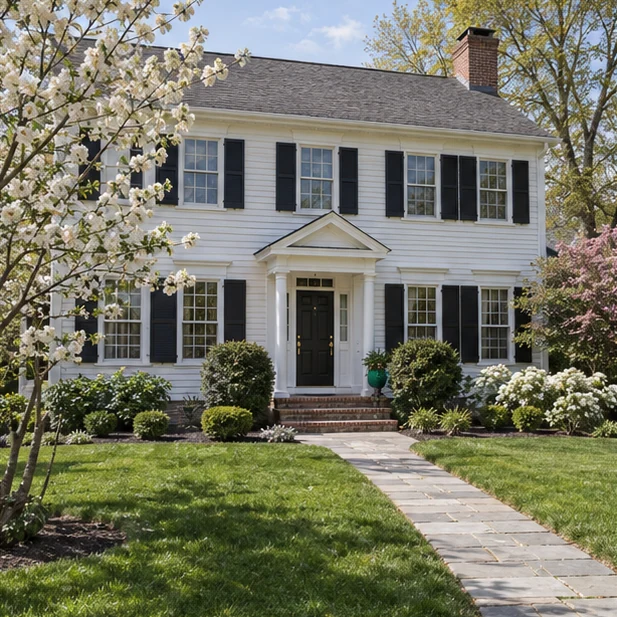
Before you arrive, write down how you expect to use the home. Consider deliveries, visitors, work-from-home needs, storage, laundry, mobility, and any regular trips you make. The same list helps when you compare a Boston condo with a house or condominium in Natick, Framingham, or another MetroWest community.
Observe the unit without assuming what you cannot see
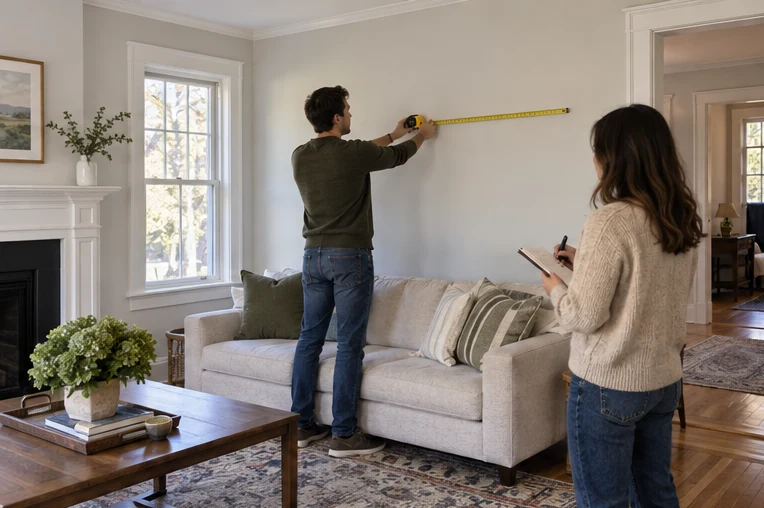
Walk through the rooms and consider furniture scale, closet space, window placement, sound you can hear during the visit, and how the kitchen and living area connect. Note what seems to be part of the unit and what may be shared, but confirm boundaries and responsibilities in the governing documents rather than relying on a quick impression.
Ask which appliances or fixtures are included and what is excluded. If a feature matters, request its specifications, service history, or warranty information when available. A showing does not test every system or reveal what may be behind a wall. Ask your inspector or another qualified professional to evaluate technical questions.
Look at the shared route from the street to the door
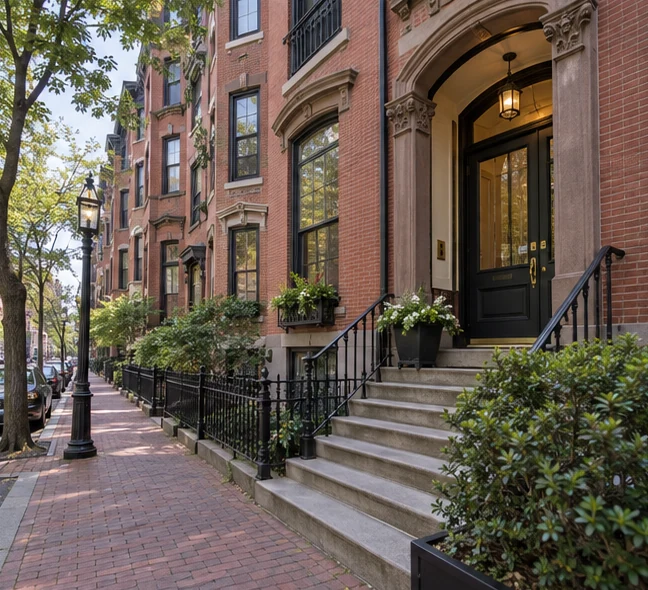
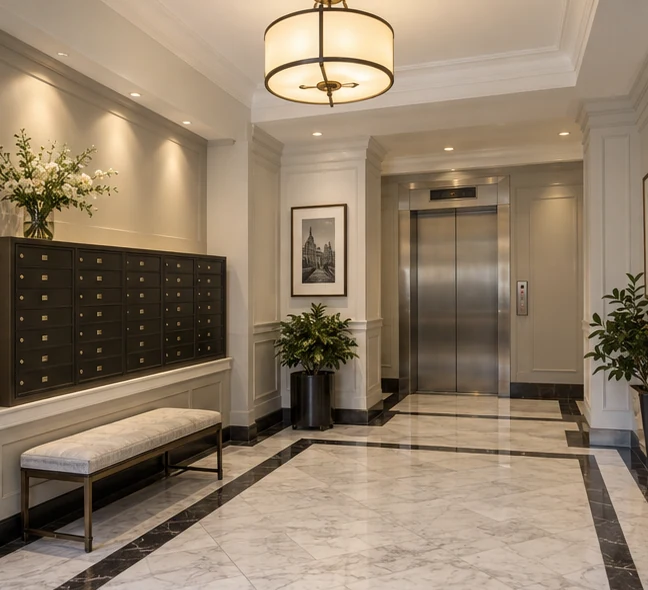
If access is permitted, notice how a resident enters the building, reaches the unit, receives packages, handles trash and recycling, and uses any shared outdoor or parking area. Check whether the path meets your own accessibility and daily-use needs. Do not assume that a pictured amenity is available to every owner or covered by the advertised monthly fee.
Ask who maintains the common areas, how building notices are shared, and where a buyer can review the relevant rules. If an elevator, courtyard, storage room, parking space, or other feature matters to you, verify whether it is included with the unit and what conditions apply. Record the exact question and the document or person that can answer it.
Request the documents that explain shared ownership
Ask your agent and the seller's representative which condominium materials are available, and have an attorney review the governing documents and legal questions. Depending on the property, buyers may ask about rules, fees, budgets, meeting records, insurance, maintenance plans, and known or planned work. The specific documents and their meaning vary; a checklist is not a substitute for a current review of that association.
Also ask your lender what information it needs to evaluate the condominium project and your financing. A monthly association fee is only one line in your ownership budget. Review it alongside the specific unit's taxes, insurance needs, utilities, maintenance, and any other costs a lender or qualified professional identifies. Avoid assuming that a fee or amenity remains unchanged over time.
For general consumer information, Massachusetts maintains a real-estate resource hub. It is a starting point, not a review of a particular Boston building or its documents.
Compare the complete ownership picture
Use one page with four headings: inside the unit, shared spaces, documents to review, and questions for professionals. Add the source and review date as information arrives. Separate what you personally observed from what a listing says. This gives your attorney, lender, inspector, and agent clearer questions to address.
If you are comparing a Boston condo with homes farther west, talk with Rita about the trade-offs you are weighing or learn more about her Boston and MetroWest work. A local conversation can help organize the search while specialized financial, legal, and property reviews remain with the relevant professionals.
Decide what the tour did and did not answer
Before you leave, note one feature that fits your routine, one uncertainty, and the document or person that could resolve it. Keep the question open until you see reliable information. A polished lobby or attractive unit can be appealing; your decision should also reflect the responsibilities, costs, and records attached to that particular condominium.