Turn a first impression into a focused review
A second showing is not simply more time to fall in love with a home. It is a chance to test the questions your first visit raised. Before scheduling, write down the three details most likely to change your decision. Bring those questions, your measurements, and the listing information you want to confirm.
If you are searching in Natick or elsewhere in MetroWest, keep a separate note page for each address. Homes can start to blur together after a full weekend of tours. Put the address and visit date at the top, then distinguish what you saw from what someone told you and what still needs evidence.
Revisit the rooms that have to work
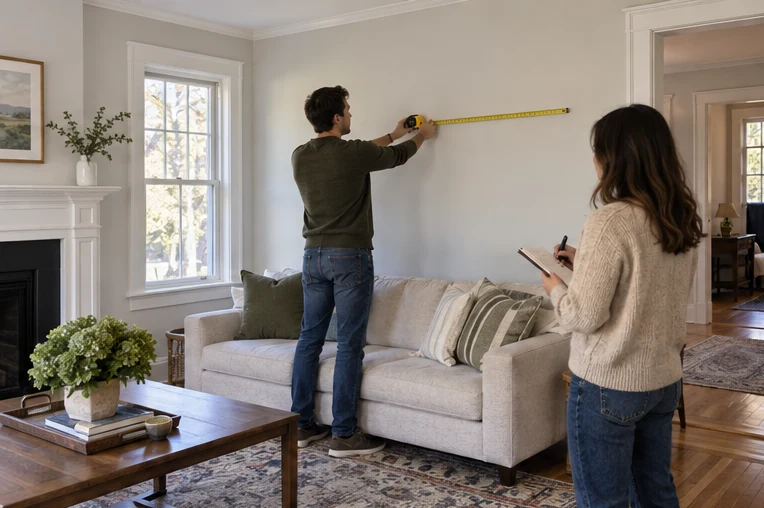
Walk through in the order you would use the home. Check the entry and storage, the path between common rooms, bedroom placement, laundry, and any work or hobby area you depend on. Measure the walls or openings relevant to your furniture, but ask permission before using a tape or moving anything. A listing photo cannot establish the exact usable dimensions or clearances.
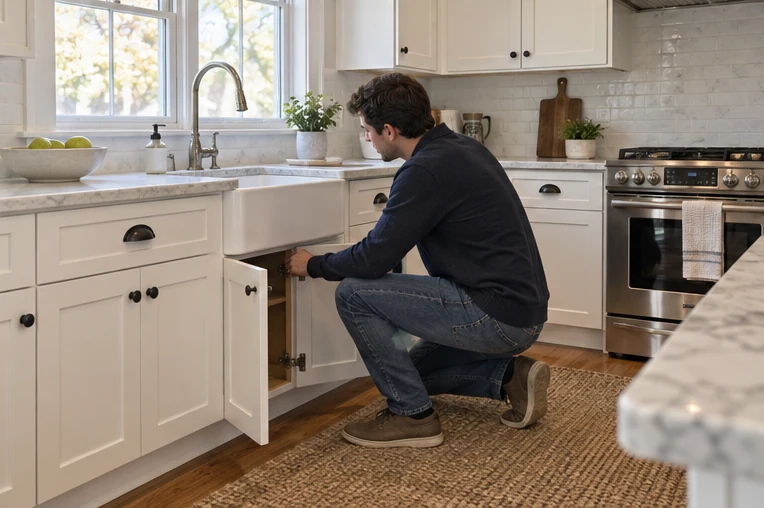
Look at the same rooms in different light if the timing allows. Notice privacy, window operation, door swings, outlets you can see, and whether the layout supports the routine you described. These are prompts for observation, not a technical evaluation of wiring, windows, structure, or system performance.
Follow up on facts that need a source
Use the return visit to ask where a useful answer can be verified:
- Which updates have receipts, warranties, or permit records?
- What system serves the home, and what service records are available?
- Are any appliances, fixtures, or outdoor items excluded from the sale?
- Is there shared access, an association, or a property feature with separate documents?
- Who can clarify an item that remains uncertain after the tour?
If the home has a septic system, private well, shared drive, or other property-specific arrangement, ask what reports or records exist and who can interpret them. For relevant Massachusetts septic-system context, consult the state's Title 5 guidance. The correct review depends on the actual property and may require an inspector, town office, attorney, or other qualified professional.
Do not turn a walkthrough into an inspection
You can notice a question without diagnosing its cause. A stain, noise, odor, or uneven surface may deserve follow-up, but a second showing is not a substitute for an independent inspection. Do not operate equipment, open panels, enter unsafe or restricted spaces, or disturb the seller's belongings. Ask your agent how to arrange access for a qualified person if a condition matters to you.
Keep each item in a small evidence table: question, source needed, person to ask, and decision date. A listing description, public record, seller statement, and inspection report serve different purposes. Note the date of anything you verify, especially details that can change, such as listing status or available documents.
Compare the return visit with your original brief
After the showing, compare what you learned with the needs you set before touring. Does the floor plan still fit? Did you find a credible source for the question that concerned you? Is there a cost, schedule, or property responsibility your lender, attorney, inspector, or contractor should review? If a material point remains unknown, record the uncertainty rather than filling it with an assumption.
Buyers considering a Natick home can bring their questions to Rita and see how she supports local searches. She can help organize the real-estate follow-up; financing, legal interpretation, property condition, and specialized systems belong with the appropriate professional.
Choose one next step
Finish with one of three honest outcomes: keep researching, arrange a qualified review, or move on. The guide below lets you organize the checks without sending or saving your answers. A complete checklist is not pressure to make an offer. Your decision should reflect your own finances, comfort, and the facts you have been able to verify.