Give the visit one useful purpose
An open house is a short opportunity to understand a particular property. It is not an inspection, a promise that the home is available, or a reason to decide before you have the information you need. Before you arrive, choose the questions that matter most to your budget, routines, and timeline.
Bring a short note on the features you need, the trade-offs you can accept, and the monthly range your lender has discussed with you. If you are comparing Boston with Natick, Framingham, or another MetroWest town, use the same notes at each home. That makes differences easier to remember after several visits.
Start with the way the rooms work
Walk the route you would use on an ordinary day. Notice the entry, storage, connection between kitchen and living areas, stairs, laundry, and access to outdoor space. Picture where your furniture and daily tasks would fit. A listing may call a room an office or bedroom, but the layout, measurements, and applicable records deserve their own review.
Ask which features are included in the sale and which items will be removed. If the home has shared areas, an association, unusual access, or equipment that serves multiple units, note the question and request the relevant documents later. Avoid relying on a quick answer in a busy room when the detail could affect your decision.

Ask open questions about the property's story
Useful questions invite a source or a record, not simply a reassuring response:
- What updates or repairs are documented, and are permits or receipts available?
- Which heating, cooling, water, and wastewater systems serve this address?
- Are there known maintenance items the seller has chosen to disclose?
- What is included in the sale, and what should I confirm in writing?
- Which records or specialists would help answer my remaining questions?
For a Massachusetts property with a septic system, review the state's Title 5 buyer and seller guidance and ask which report applies to the address. The property itself and qualified professionals determine what a record means; a general article cannot evaluate its condition.
Keep observations and claims separate
Write down the address, date, and where each detail came from. Label your notes observed, stated by a representative, or to verify. For example, you may observe that a basement smells damp; that observation does not identify the source or establish a defect. A seller statement is useful context, but it is not the same as an inspection or a municipal record.
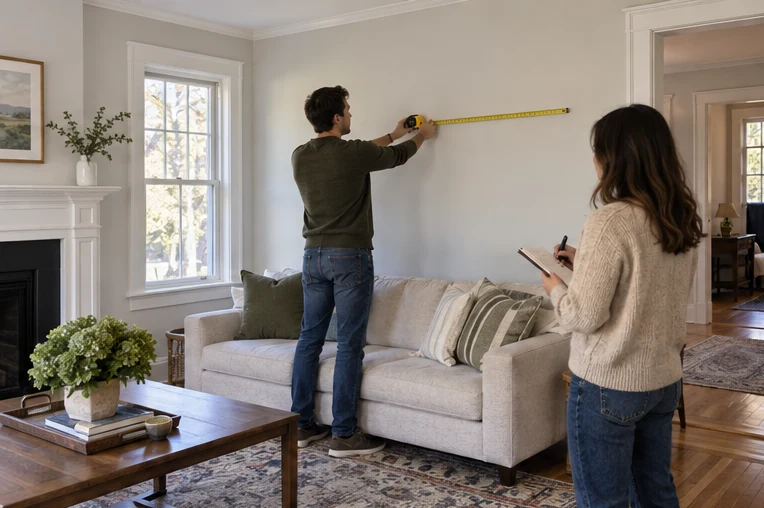
If photography is allowed, ask before taking it and avoid capturing people or personal documents. Measure only with permission. Do not move belongings, operate equipment, or enter restricted spaces. Respecting the home protects the seller's privacy and keeps the visit focused.
Leave with a decision, not a rushed verdict
After you leave, record one reason to keep the home on your shortlist, one concern, and the next source that could clarify that concern. If the address merits more attention, request a private second showing and ask your agent to gather listing details or coordinate follow-up. An inspector, lender, attorney, or municipal office may need to answer questions within their scope.
The Massachusetts real-estate resource hub is a useful starting point for general consumer information. It does not replace property-specific advice. Buyers comparing homes in Boston and MetroWest can talk through their search with Rita or learn how she works across the region. Bring one address and the questions you want answered first.
A simple post-visit debrief
Give each home a quick review while the details are fresh: fit, open question, and next action. Keep the scorecard below tied to your priorities rather than a universal rating. It is there to help you remember, not to rank neighborhoods or predict a home's future value. If a detail is material, wait for the appropriate record or professional review before treating it as settled.