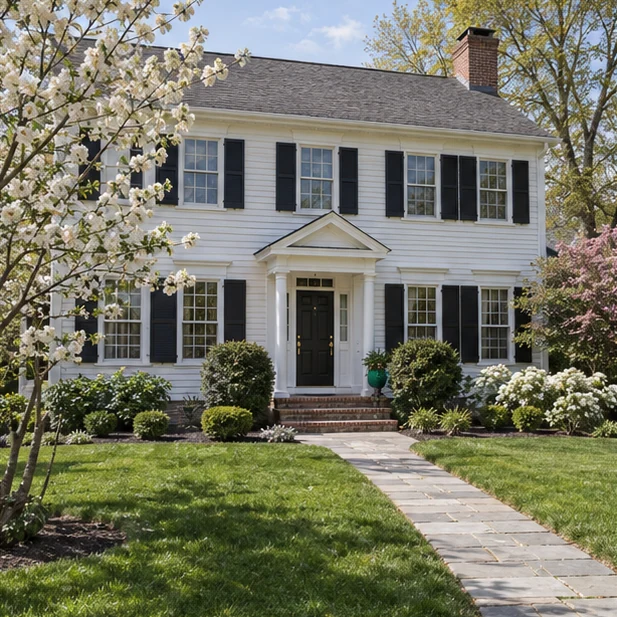
Compare the records available, not just the year built
An older home and a new construction property create different kinds of questions, but age alone does not answer whether either one fits. An older house may have a long history of documented work; a new home may have current plans and warranties. Either property can have missing records, unfinished details, or systems that deserve professional review.
Start by asking what matters to your budget and time. Would you rather understand a property's history and plan maintenance around known systems, or review new work, builder documentation, and warranty terms? Neither preference removes risk. Compare the specific address, written records, and current condition rather than assuming “new” means maintenance-free or “old” means unreliable.
Organize the older home's history
Ask for permits, invoices, service records, warranties, manuals, and information about renovations. Note which documents relate to which system or room and whether dates are clear. A permit record can help explain the property's history but does not establish present condition or answer every question about permitted use.
During a qualified inspection, ask for attention to systems and areas appropriate to the home's design and observed condition. Older materials or construction methods may call for a specialist. Let the inspector explain the scope, and follow up with qualified contractors when needed. Do not infer a complete repair history from recent finishes or a single invoice.
Review new construction as a real property, not a showroom
Request plans, permits, inspection records, completion information, manuals, warranties, and a process for reporting items that need attention. Ask which systems are covered, by whom, for how long, and what steps preserve any stated coverage. A warranty has specific language and limits; have your attorney explain the documents and keep copies of all submitted requests.
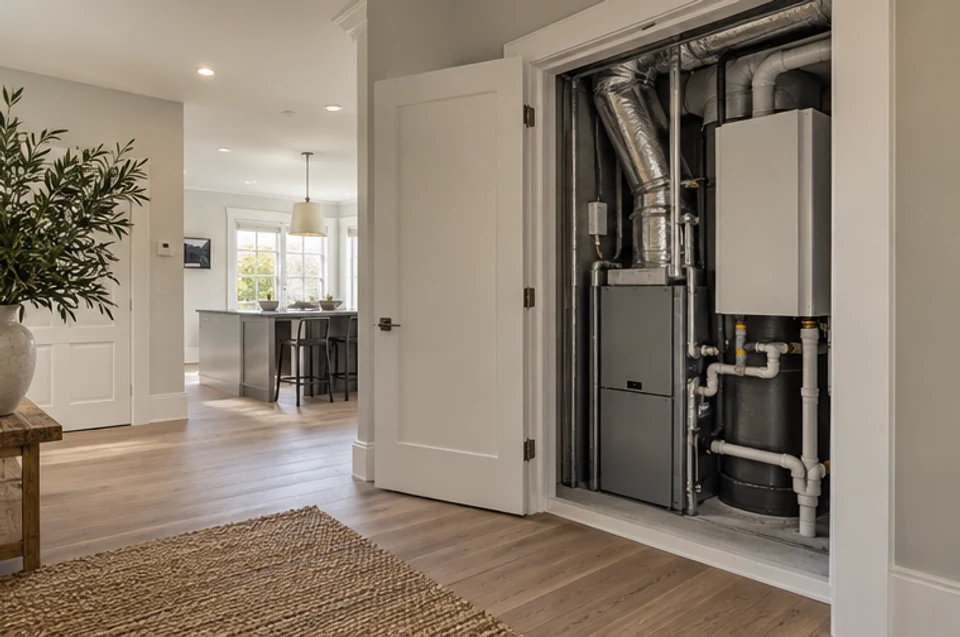
Walk the finished property with a qualified inspector and note incomplete or unclear work. New materials still need to be installed and maintained properly, and a new home may have exterior, drainage, mechanical, or settling questions. Ask who can answer each issue and what is included in any builder punch-list or repair process. Avoid treating a model home or sales brochure as proof of the exact property condition.
Compare systems with the same checklist
Make a side-by-side record of heating, hot water, electrical, plumbing, roof, windows, insulation, drainage, and other features that matter to the home. For each system, record the documentation, service history, visible condition, remaining question, and professional who can assess it. If a feature is not visible, leave it marked unknown instead of assuming it is in good shape.
Massachusetts provides residential home inspection guidance, including information about the inspection process and applicable rules. Review the current official guidance and ask your inspector what the inspection does and does not cover. A general inspection does not replace specialized review of every component or a legal review of records.
Include upkeep in your financial and time plan
Ask your lender how property taxes, insurance, utilities, and monthly financing fit your budget. Obtain quotes or professional estimates where useful and keep them labeled with date and scope. A new system may have service and filter requirements; an older system may have records and upcoming needs. Neither a general life expectancy nor an online average predicts when a particular component will need work.
Consider the regular tasks too: landscaping, snow management, shared association duties, equipment maintenance, and access to a contractor. The property that fits your schedule may not be the one with the newest kitchen. Compare the likely effort and known records alongside the layout and purchase terms.
Make open questions visible before the offer
List what you still need: a permit record, warranty language, a specialty inspection, a contractor estimate, or a lender answer. Ask your Massachusetts attorney about the purchase documents and deadlines. If you cannot obtain an answer before a decision point, discuss what that uncertainty means instead of letting it disappear into a note.
Use the comparison tool below to rate the two homes against your own verified notes. Talk with Rita about comparing properties in Boston or MetroWest, and bring the systems list to your tour debrief. The tool is a personal organizer, not an inspection report, warranty interpretation, or prediction of future costs.
Choose the documentation you can live with
Before deciding, summarize the property history, current condition, available records, warranty or repair process, and the maintenance routine you can support. An older house may have careful documentation; a newer one may still have open questions. The meaningful distinction is what you have verified about this property and whether the remaining work fits your comfort, budget, and timeline.
With consistent questions and qualified review, buyers can compare older homes and new construction without relying on either label as a guarantee.