Start with the building's process
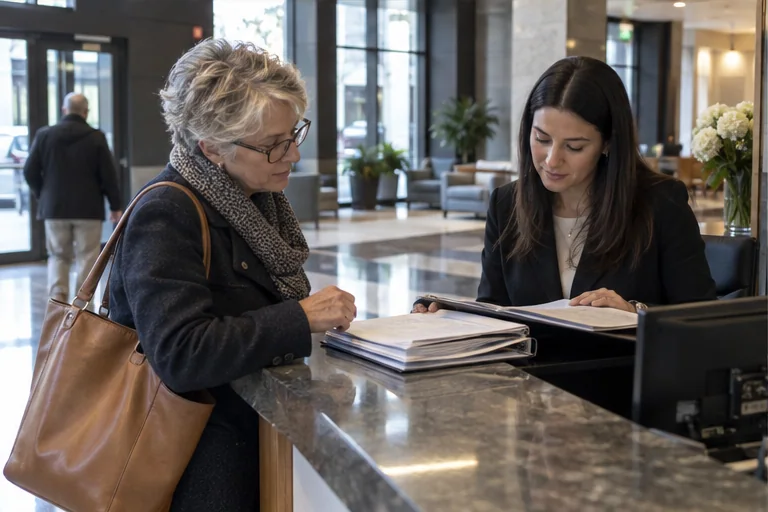
Before scheduling photography or tours, review the association's rules for access, move-in, common-area photography, signs, open houses, and any required notices. Ask the manager or appropriate association contact what procedure applies and who can authorize it. A seller should not assume that access to a private unit includes permission to use every shared area.
Ask which documents are available for a buyer to review and how a current copy can be requested. Your Massachusetts attorney can explain which records and transaction requirements matter for this sale. The association or manager can explain building operations and where specific records are kept; the listing agent can help coordinate the sequence.
Assemble a unit and association file
Gather the unit's deed and plan information you have, appliance and system details, repair receipts, renovation records, warranties, and any documentation related to parking or storage. Keep association documents in a separate section: governing instruments, amendments, current budget and financial materials, available meeting minutes, insurance information, notices of planned work, and any current or proposed assessment documents. Availability varies by building, so ask rather than assuming every item exists in one format.
Make an index with the document name, date, source, and whether the copy is current. If a record refers to planned work or a legal issue, do not paraphrase it in the listing. Ask the association or attorney to explain what can be shared and how to describe the status accurately.
Make the unit easy to understand
Walk through the unit and note repairs, unfinished work, access limitations, and details buyers are likely to ask about. Keep the space functional while you live there. Prepare available records about renovations and systems, and mark any item that needs verification. A recent finish or new fixture should not be presented as a full-system replacement unless the documentation supports that description.
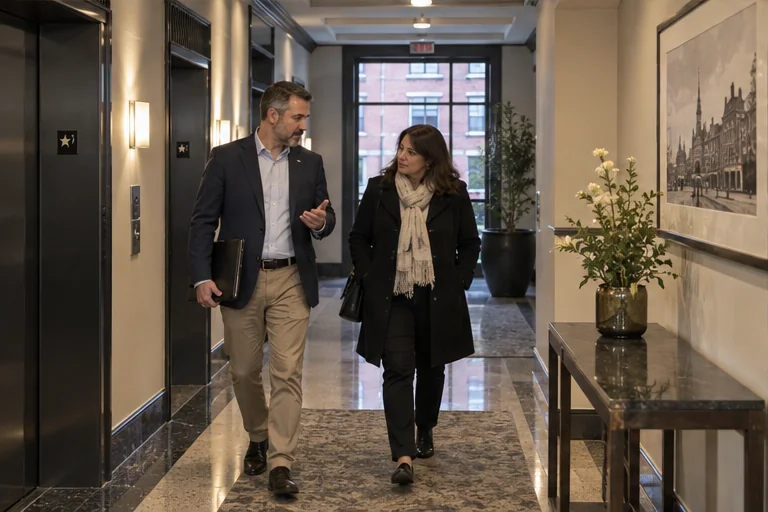
Coordinate photography and visits around building policies. Ask how the photographer should identify the unit, whether common spaces may be photographed, and what areas should remain private. Confirm any included parking, storage, appliances, and access devices against the documents you can verify. If a building feature is unavailable or under repair, clarify the appropriate description before publishing.
If a tenant, building employee, or neighbor could appear in a photo or tour, plan for privacy and permission instead of assuming a shared area is an unrestricted backdrop. Ask the association who approves a photographer, how keys and entry codes are managed, and whether an elevator or loading area needs to be reserved. Schedule a realistic amount of time for access and cleanup so the visit does not interfere with residents or building operations.
Keep a response sheet for buyer questions: the question, the document or person who can answer it, and whether the answer has been confirmed. A quick log reduces the temptation to give an off-the-cuff answer about a rule, planned repair, fee, or shared service. If the record is incomplete, say that it is being checked and follow up through the appropriate association contact or attorney.
Prepare a consistent response to buyer questions
Buyers may ask about monthly fees, building services, insurance, reserves, projects, pets, rentals, parking, and upcoming decisions. Keep the written source nearby and answer only what you can verify. If a question is legal, financial, or association-specific, direct it to your attorney, association manager, or other qualified professional rather than making an assumption.
The seller board below helps organize tasks into practical lanes. It does not decide what you must disclose or guarantee a sale result. For a Boston condo sale, talk with Rita about the unit and your timing and review her local services before you plan the launch.