Separate the assessor's record from a market-price decision
Property tax information is useful when you are comparing a home, but assessed value is not the same thing as a listing price, appraisal, or guaranteed sale amount. The Massachusetts Department of Revenue explains that local assessors value property for tax purposes. Its property-value guidance says assessments are made at fair cash value as of January 1 each year. Verify the current record and any town-specific information before relying on it.
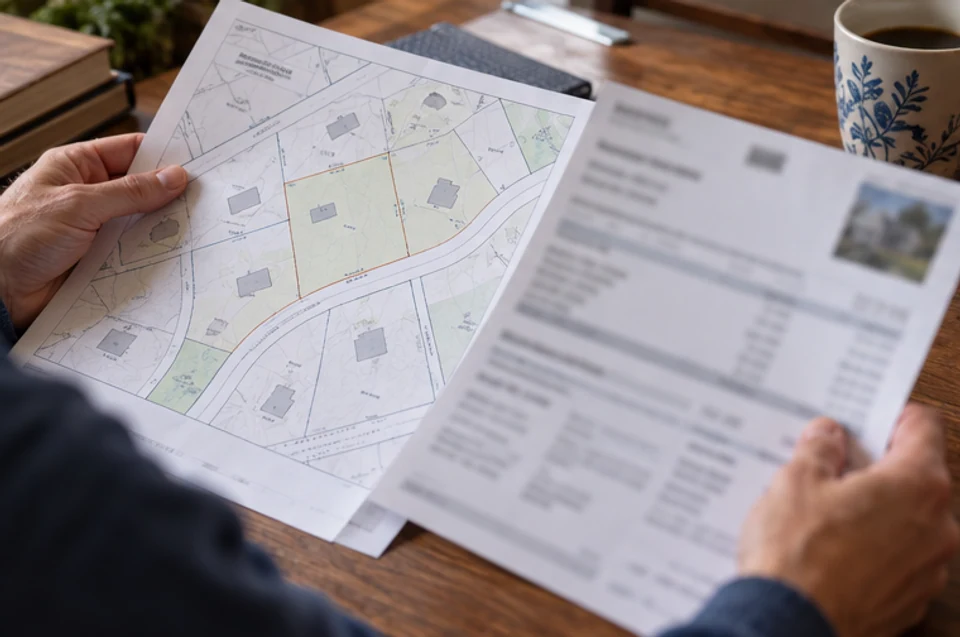
Start with the exact address and parcel. Confirm that the record describes the property you are considering and note the fiscal year or valuation date. A parcel page can contain room counts, area, use, or other fields that are estimated, dated, or maintained for assessment purposes. If a detail conflicts with the listing, ask the assessor's office how its record was assembled and have your attorney determine whether another record is needed.
Read the tax bill as its own document
Request the current tax bill or find the public information through the town assessor or collector. Note the billing period, amount, due dates, exemptions or abatements shown, and the owner to whom it applies. Ask whether a displayed amount reflects an exemption that might not apply to you. Do not assume that a previous owner's tax treatment transfers to a buyer.
Property taxes can change when assessments, tax rates, exemptions, or ownership circumstances change. A past bill is historical information, not a promise about a future bill. Ask the local assessor or tax collector which source can confirm the current amount and what conditions could affect the next bill. For budgeting, have your lender use the appropriate estimate for the specific purchase and timing.
Check the property description and its source
Compare the assessor record's property characteristics with the listing and available documents. If living area, unit count, property use, improvements, or lot details differ, record the discrepancy and ask which source is authoritative for the question. An assessor record does not establish permit status, legal use, boundary location, or current condition.

For a renovation or added area, look for permits and professional records through the relevant town department. For boundary or title questions, ask a surveyor or attorney. Keep each record's date and purpose visible; a document can be accurate for assessment while still not answering the question a buyer needs to resolve.
Ask about exemptions and abatements carefully
Some owners may qualify for local tax relief or a residential exemption under specific rules. Eligibility depends on current law and municipal circumstances. Do not include a reduction in your budget until the town confirms whether you qualify, how to apply, and when a change would take effect. The seller's exemption, if any, should not be carried into your own estimate without confirmation.
If you believe a record contains an error, contact the local assessor and ask about the correction or appeal process and its current deadline. Do not assume a pending review will change the amount or be resolved before closing. Your attorney or tax professional can help you understand any legal or financial consequence that needs specialized advice.
Compare taxes alongside the rest of ownership cost
Create a monthly budget with the current tax information clearly labeled by date. Add mortgage, insurance, association fees if relevant, utilities, and a maintenance reserve using estimates for that property. Keep recurring documented charges separate from one-time transaction costs and uncertain future work. Ask your lender which figures they require for a financing decision.
For Boston, Natick, Framingham, and other MetroWest towns, use each municipality's official assessor source rather than copying another town's record. Tax rates and local procedures differ, and statewide totals do not describe an individual bill. If you compare assessed values across towns, understand that dates, methods, exemptions, and property characteristics can differ.
Record the question and the answer source
For every number, write the address, source, date, period, and whether it is actual, estimated, or conditional. The field notes below can help you keep the tax record separate from price, appraisal, and monthly-cost questions. Talk with Rita about organizing a MetroWest home search; ask a lender about financing estimates, the assessor about the town record, and your attorney or tax professional about advice in their scope.
Before making an offer, confirm which current bill and assessor record you are using and whether any exemption or correction matters to your decision. A clear dated source is more useful than a precise-looking number copied without context.
Keep the record current through closing
If a bill, assessment notice, or exemption status changes during the transaction, save the updated source and ask your attorney or lender whether it affects the closing or budget. Do not rely on a search-engine summary when the municipal record is available. Review any deadlines with the town or your attorney rather than assuming the timing from a prior tax year.
Tax information helps buyers understand recurring ownership costs, but it answers only part of the home review. Pair it with property records, financing advice, and the condition of the actual home before choosing a price or deciding that one town is automatically less expensive.