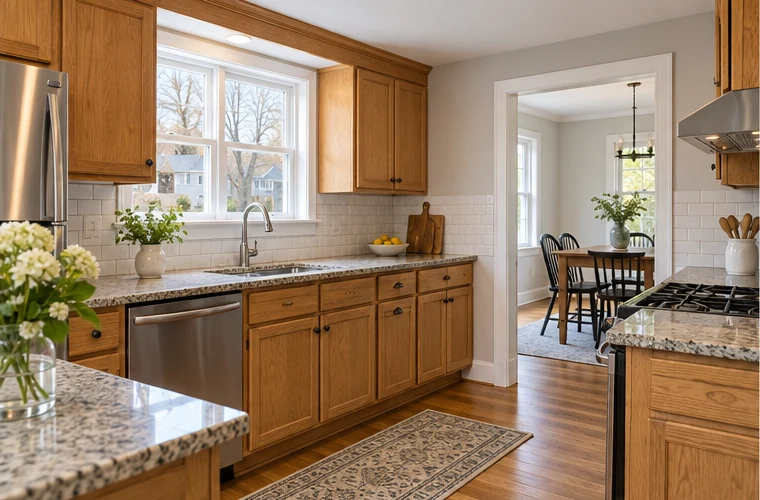
Look past the phrase “move-in ready”
That phrase is a description, not a technical certification. A home with clean finishes may still have older systems or records to review, while a house that needs cosmetic work may have well-documented maintenance. For each candidate, identify what the listing means by ready: which rooms appear updated, what work is stated, what permits or warranties are available, and what has not been evaluated by an independent professional.
Use a walk-through to note visible condition, layout, moisture concerns, uneven floors, unusual odors, and signs of recent repairs, but do not diagnose a system from appearance. An inspector and other qualified specialists can explain the scope of an evaluation. Massachusetts provides information about residential home inspections; review current state guidance and speak with your own professionals about the property and transaction.
Define the renovation before estimating it
For a project home, separate essential work from changes you simply want. A roof or heating question has a different urgency from replacing a finish you dislike. Ask who can inspect each concern, whether the work might require plans or permits, and whether the town has records. For properties in Natick, the town's permitting information can direct a records search; in Framingham, begin with Inspectional Services. Availability of records does not certify workmanship or predict cost.
Translate “renovate the kitchen” into tasks that a qualified contractor can review: cabinets, electrical, plumbing, ventilation, flooring, and any structural changes. Ask for a written scope and current quote before treating a rough guess as a budget. Include design, permits, inspections, temporary living arrangements, storage, and disposal where relevant. Different homes and projects require different professionals; do not assume that one estimate covers every trade.
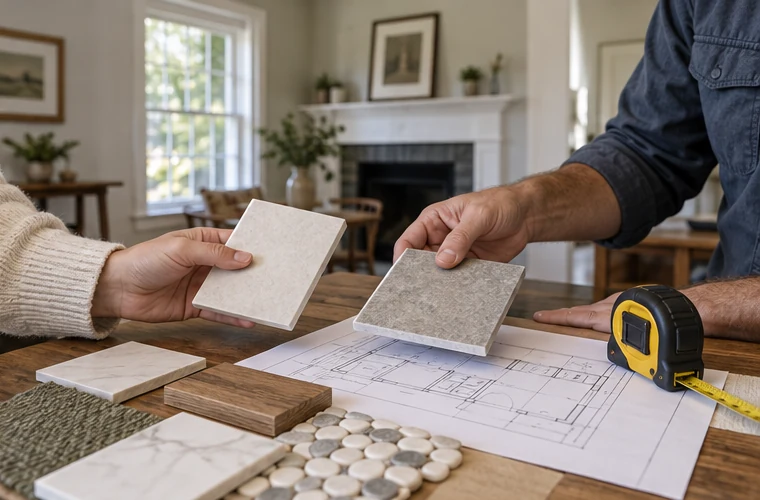
Compare time and coordination as well as dollars
A renovation consumes attention. Consider how you will make decisions, whether you can live in the home during work, where materials and tools can be stored, and how the sequence could affect your move. A project that looks simple in photographs may depend on hidden conditions, contractor availability, approvals, or delivery timing. A move-in-ready home can reduce early projects, but it may still require regular upkeep and future replacements.
Write down the responsibilities you are willing to manage, not only the price you hope to pay. If your work or family schedule leaves little room for visits, a renovation with multiple trades may be difficult even if the purchase appears attractive. Ask the lender about how the property condition affects financing and when any renovation funds are available. Financing rules vary, so use the lender's written explanation rather than assuming a program will apply.
Keep purchase and project decisions separate
First decide whether the property itself fits your essential needs, location, and financial comfort. Then review the proposed work as its own decision with the right specialists. Keep the purchase price, verified recurring costs, professional inspection findings, and contractor estimates in separate rows. If a critical cost or approval remains unknown, mark it open and ask what information would answer it before setting an offer strategy with your agent and attorney.
The field notes below turn the article into a list of questions for each address. They are not an estimate and do not make a home safer or more valuable. Use them to prepare conversations and record sources. When comparing a renovated property with one that needs work, apply the same standard: documents, inspection, current quotes, and a realistic plan for the weeks after closing.
Choose the kind of work you actually want to own
Some buyers enjoy coordinating finishes and contractors; others want a home that supports a busy move without a project plan. Neither preference is superior. Decide how much uncertainty, time, disruption, and responsibility fit your situation. A realistic decision may be to keep looking, request more records, ask for a professional review, or pass on a home that would require too many unknowns at once.
If you are comparing a specific home in Boston or MetroWest, talk with Rita about the search and its open questions. She can help organize the property conversation; lenders, inspectors, attorneys, and contractors should answer questions within their professional scope.