Build a clear history for the house
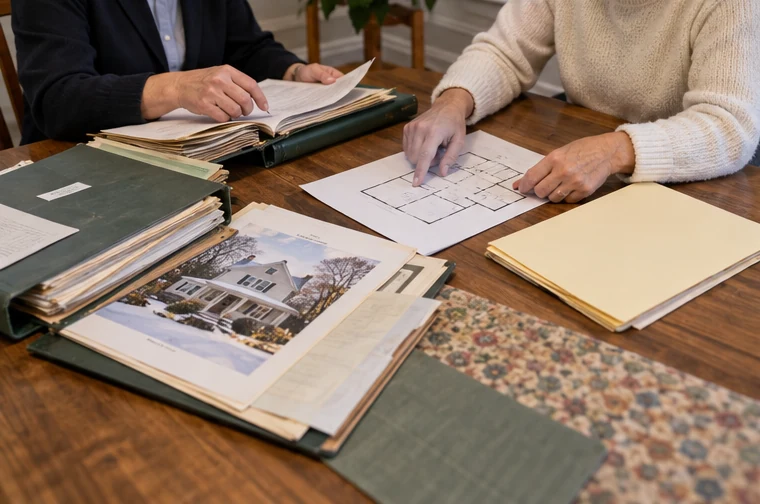
An older home's value to a buyer is easier to understand when the available records are easy to review. Start with what you already have: roof and heating invoices, plumbing or electrical work, permits, inspection results, appliance manuals, warranties, water or septic reports, and dates of significant repairs. Create a simple index that connects each document to the system, room, or project it describes.
If a record is missing, note that rather than trying to reconstruct an exact date from memory. Separate documented facts from recollections and unresolved questions. If you are unsure how a statement should be presented, ask your listing professional or attorney. Accurate context is more useful than a broad phrase such as “all systems recently updated” that may imply more than the paperwork supports.
Check the home's major systems and projects
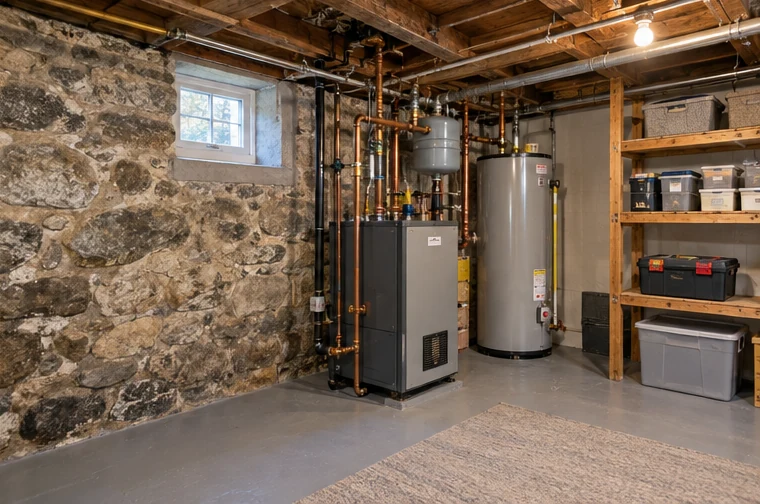
Review the history of the roof, heating and cooling, electrical service, plumbing, foundation, chimney, windows, and drainage. Gather the service provider, date, work scope, and any follow-up recommendation. A paid invoice can show that work took place, but it does not guarantee current condition. If you notice a recurring issue, active leak, or safety concern, ask a qualified professional to evaluate it and keep the resulting written information.
For an addition, finished basement, porch, or converted space, collect available plans and town records. Ask the town how to request or interpret permit and inspection records. Do not describe a room's legal status or claim that a project complied with requirements unless you have appropriate support. A current professional review may answer some questions but cannot retroactively replace missing records.
Review the inspection process and known issues
Massachusetts' current residential home inspection guidance describes the buyer's opportunity to obtain an inspection for covered residential sales under the regulation effective October 15, 2025. Sellers should review the applicable disclosure and process with their real-estate professional and attorney. A buyer inspection is a visual evaluation on a particular date, not a guarantee or a forecast of future conditions.
Before listing, consider whether a professional assessment would help you understand an issue or prepare for buyer questions. A pre-listing review is not required in every situation and does not eliminate a buyer's own review. If you obtain a report, ask your attorney how it should be handled and what information must be provided. Preserve the document and do not paraphrase technical findings into assurances.
Confirm the rules that apply to the home's age
If the home was built before 1978, Massachusetts requires a Property Transfer Lead Paint Notification process for covered sales. The state's current guidance explains that sellers and agents must provide the notification before the purchase-and-sale agreement and disclose known lead information and applicable reports. Confirm the current requirements and documents with your attorney or real-estate professional; do not rely on memory or assume an old certificate tells the whole story.
For a septic system, well, underground or aboveground fuel storage, or other regulated feature, gather the relevant records and ask the town or state agency what applies to this address. Do not present an old test or inspection as current if it is not. A buyer may ask about dates, limitations, and whether additional review is needed.
Make the information easy to follow
Organize records by topic, add a short index, and keep sensitive personal information out of public listing materials. Make copies available through the listing process in a way approved by your broker and attorney. Note when a document is incomplete or a question remains open so the listing team can respond accurately and promptly.
The seller preparation board below helps decide which files need to be located, verified, or discussed. Rita can help plan a sale in Boston or MetroWest; talk with her about the property's records and timing. Your attorney should confirm disclosure duties, and qualified inspectors or contractors should address condition and technical matters.