Treat access and boundaries as property questions to verify
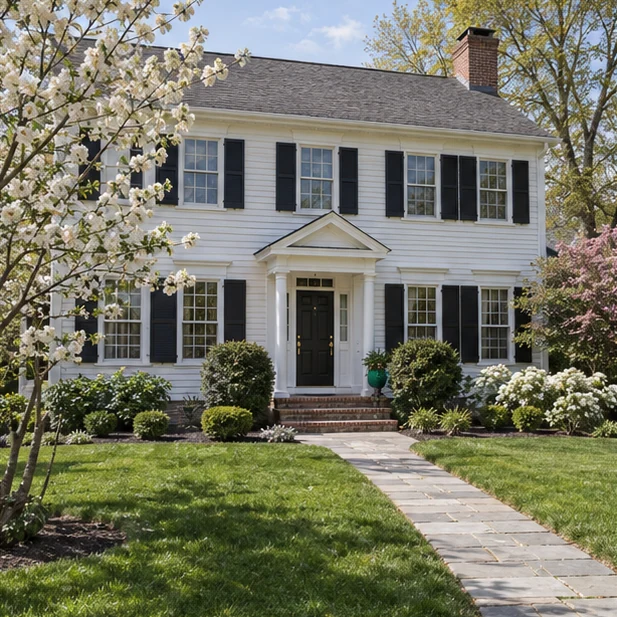
A driveway that looks shared, a path that crosses a lot, or a fence close to a line may affect how you use and maintain a property. A listing photo cannot establish ownership, permission, maintenance duties, or the location of a legal boundary. Before you compare homes in Natick, Framingham, Boston, or another MetroWest community, write down exactly what you observed and what you need to know about the specific address.
Keep physical appearance separate from recorded rights. A tire track or long-standing fence does not answer whether an easement exists or who must repair a drive. Likewise, a parcel line shown online can be useful for orientation without functioning as a legal survey. The questions may involve a recorded deed, plan, easement, agreement, title review, or survey; the right record depends on the property.
Find records through the right source
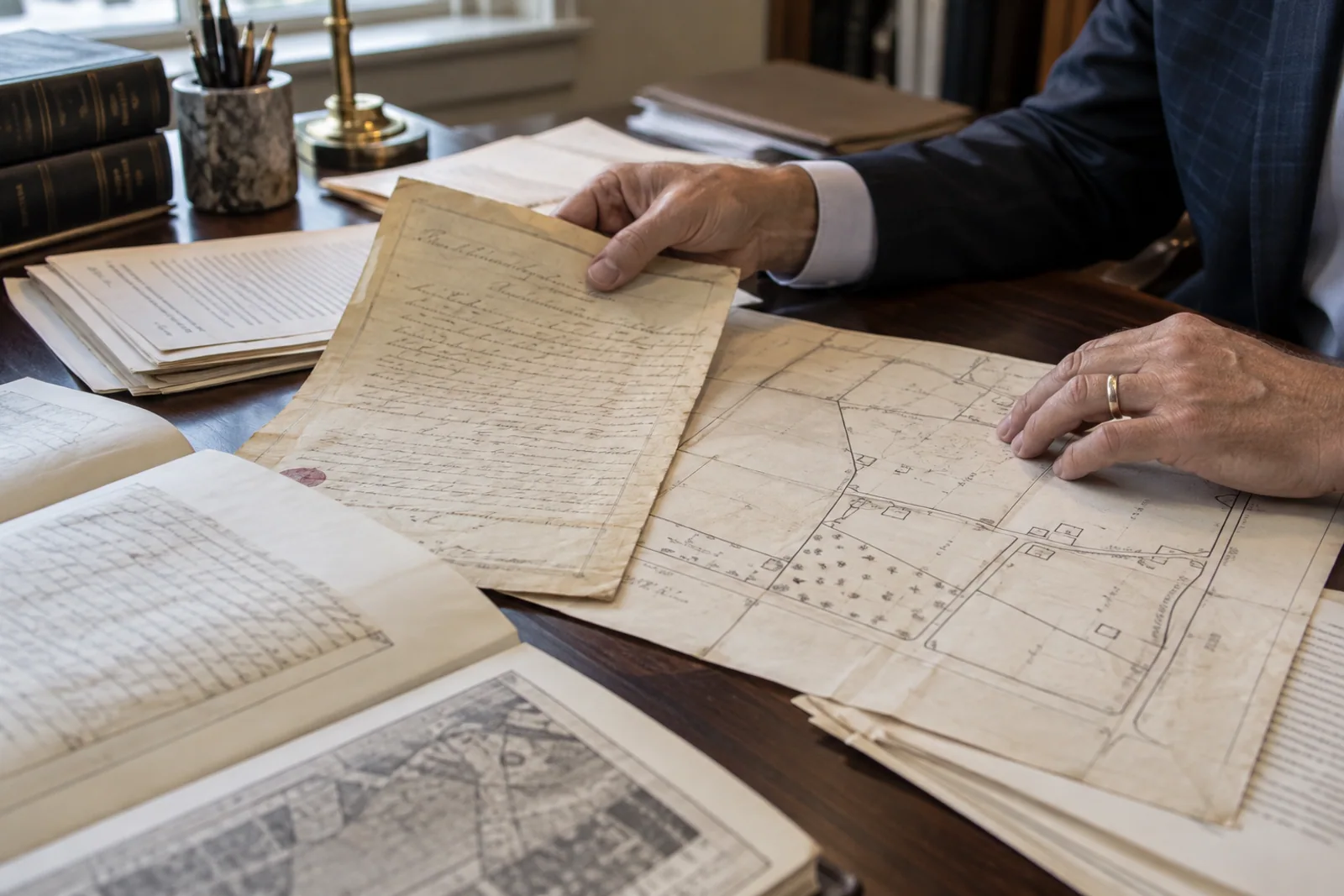
The Massachusetts Interactive Property Map displays assessor parcel information, but the state says recorded registry documents are the authoritative boundary record and a legally authoritative boundary map can be produced by a professional land surveyor. Use the map to identify a parcel or prepare a question, not to decide where a fence may go or how a driveway must be maintained.
The Secretary of the Commonwealth's Registry of Deeds directory can help locate the registry for a property. Massachusetts land records include recorded documents and indexes. A search result may need interpretation, and not every important obligation is obvious from a title or map alone. Ask your Massachusetts real-estate attorney which documents should be reviewed and how they apply to the proposed purchase.
Ask who uses, repairs, and insures a shared drive
For a shared driveway, make a list of practical questions: Which addresses use it? Where is the access described? Who handles snow, drainage, resurfacing, and ordinary repairs? Is there a written agreement, and does it describe cost sharing or access for contractors? Does the visible route match the information in the records? Do not assume the neighbor, seller, or town is responsible based on casual conversation; seek the document and professional interpretation.
Ask whether the driveway is the only reasonable access, whether maintenance equipment can reach the property, and whether construction or utility work could affect use. If the home has a private road, gate, common parking area, or unusual access, identify that early. Keep a copy of the source and date next to each answer. A town assessor card can help identify the property but is not a substitute for recorded rights or legal advice.
Use a surveyor for boundary uncertainty
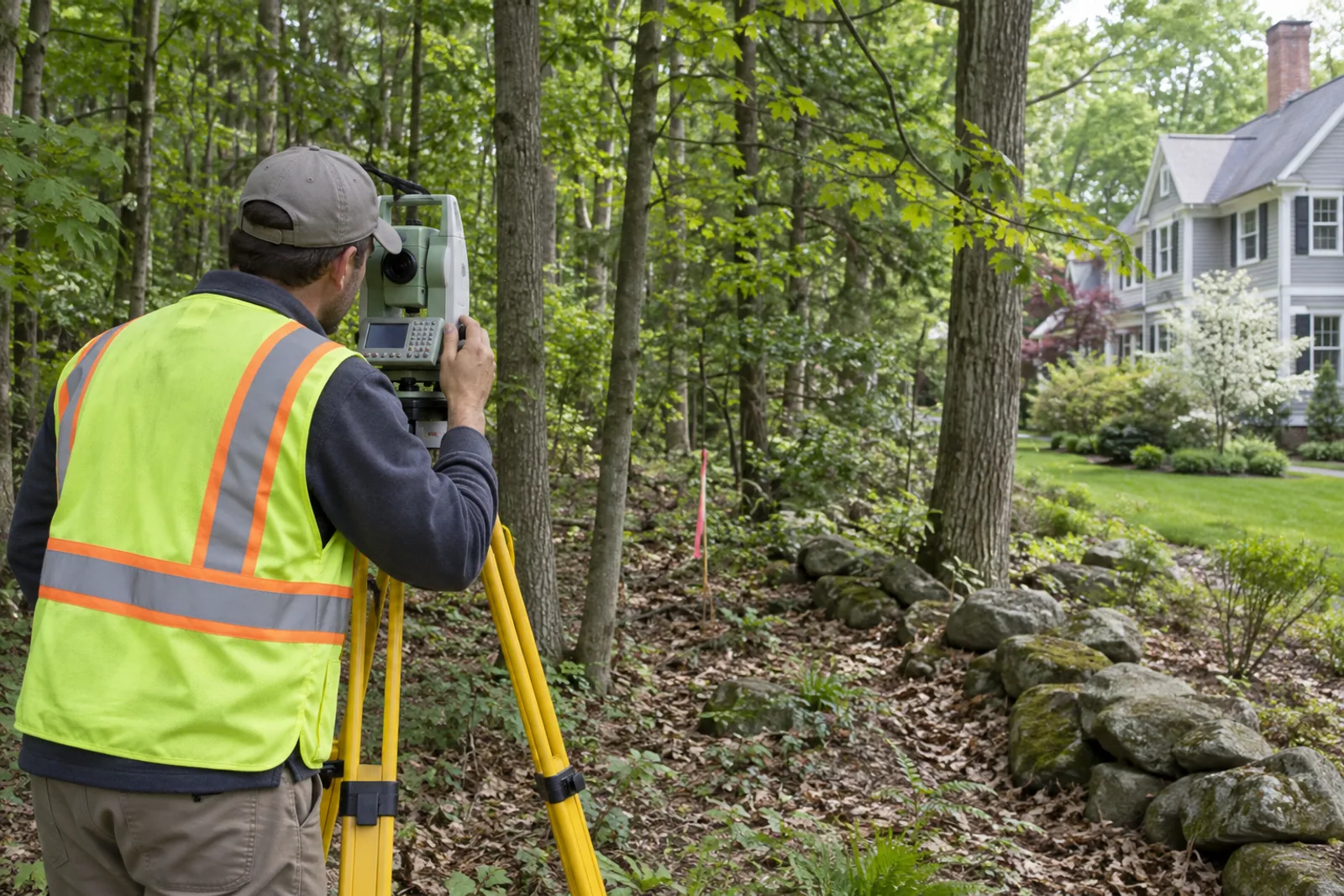
If the line matters to a decision, ask an attorney whether a current survey is appropriate and speak with a licensed land surveyor about the scope. A survey can address specific physical and boundary questions, but the professional needs a defined assignment and records. Do not rely on a sketch, app measurement, tax map, listing diagram, or visible landscaping as a replacement.
During a showing, notice retaining walls, sheds, fences, utility features, trees, and paved areas near an apparent line. Photographing a detail with permission can help you ask a clearer question later, but it does not prove ownership. The field notes below let you mark which parts of the access and boundary review remain open. They are prompts, not a title opinion or a substitute for the work of an attorney or surveyor.
Keep the purchase conversation specific
Tell your agent the property address and the visible condition that raised the question. Ask the attorney to review recorded rights and the surveyor to address physical boundaries. Bring the answers back to the listing and your intended use. If an issue could affect access, maintenance, cost, or the ability to make a planned change, understand it before deciding how to proceed.
Rita can help organize a local property conversation, but legal rights and survey findings need the appropriate professional. Share a question about a Boston or MetroWest home search when you have the address and the point you want clarified.