Separate what you see from what the documents grant
A condo listing may show a parking space, storage locker, bike room, roof deck, or other shared area. The key question is not only whether the space exists, but what rights attach to the unit and which rules govern its use. Confirm the arrangement in the building's documents and have your Massachusetts attorney interpret any unclear language.
Write down every space mentioned in the listing and every space you see during the tour. For each one, ask whether it is included with the unit, assigned, deeded, licensed, shared, or available only under an association rule. Those labels can have different meanings in the actual documents; do not treat them as interchangeable based on a conversation.
Match the parking plan to the recorded details
Ask for the applicable deed, master deed, bylaws, amendments, and association rules. Confirm the space number or location, whether it is exclusive or shared, whether it transfers with the unit, and whether a vehicle size or other limit applies. If the unit description and listing disagree, ask your attorney to identify which record controls.
During the tour, look at access, turning space, clearance, lighting, and the route from parking to the unit. These are practical observations, not a structural or safety assessment. If a garage or lift is involved, ask what operating instructions and maintenance records are available and who maintains it. A painted number alone does not establish ownership or guaranteed availability.
Inspect storage with everyday use in mind
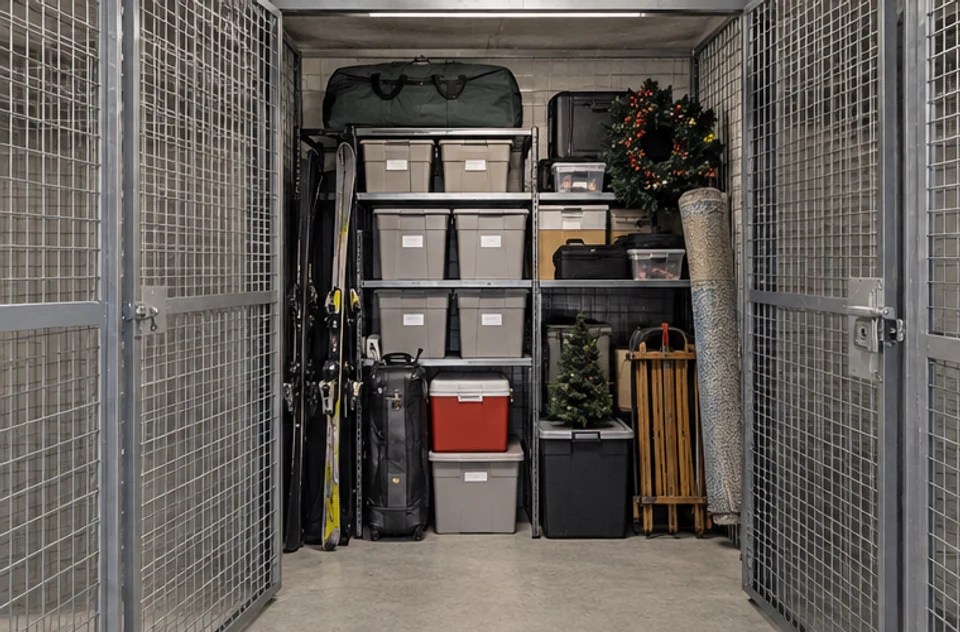
Locate the locker or storage area and ask how it is assigned and accessed. Confirm whether it is dry, secure, and suitable for the items you plan to store. Review rules about permitted materials, access hours, and shared aisles. Do not assume a photograph shows the exact unit or that an empty space will remain available without written confirmation.

Think through how you would carry seasonal items, a stroller, sports equipment, or groceries between the unit and the storage area. Check whether a route involves stairs, elevators, exterior access, or restricted hours. If that route matters to your routine, revisit it at a time that reflects actual building access.
Understand common areas and their rules
Ask which areas are shared and which are limited to certain units, residents, guests, or schedules. Review any applicable reservation, maintenance, noise, or access rules. The common hallway, courtyard, roof, laundry room, bike area, and entrance may each have a different management arrangement. A physical tour helps you understand the layout; the governing documents explain the rights.
Ask who is responsible for cleaning, repairs, snow or outdoor care, and reporting a problem. Confirm what the monthly fee includes and which services are separate. If a shared space is being renovated or has access restrictions, request current information rather than relying on an old listing photo.
Compare the space with your actual needs
Make a list of the items you need to park or store and the schedule you expect to use shared facilities. Compare the list with documented unit rights, dimensions, access routes, and rules. If a bike room is shared, for example, ask what space is available and whether storage is assigned. If parking is essential, leave the question unresolved until the documents confirm what the unit conveys.
Do not count a potential rental arrangement or an informal exception as a dependable feature without written, transferable rights. Ask the association or management contact for the current rule and your attorney how to interpret it. Add unresolved items to the same question log as the unit's financial and maintenance review.
Verify before making the feature part of your decision
Request the relevant records early and keep copies tied to the building and unit number. Public records may be available through Massachusetts Land Records, but search results need interpretation and may not contain every current association rule. Ask your attorney what else is needed and which document answers each question.
The checklist below can help you mark each space once its location, right, rules, and responsibility are understood. Talk with Rita about a Boston condo search and share which storage or parking details are essential. She can help coordinate property questions; the association and attorney should confirm the actual rights and current rules.
Leave room for a no
If a key space is unavailable, shared in a way that does not fit your routine, or still unclear, decide whether the unit works without it. A condo can still be worth considering if a preference changes, but a buyer should not commit on the assumption that a right will appear later. Write down the verified arrangement and the remaining limitations before comparing the unit with other homes.
That small verification step can prevent a parking line on a listing from becoming an expensive surprise. The best comparison combines the documents, a careful tour, your practical needs, and advice from the professionals responsible for interpreting each part.