Route the question before the deadline
A home search creates questions with different owners. Financing terms belong with the lender; contract language and title belong with your Massachusetts attorney; visible condition belongs with an inspector or qualified specialist. Town records have their own departments and processes. Your real-estate agent can help organize the search, share listing information, coordinate access, and keep track of follow-ups, but should not replace legal, lending, engineering, tax, or construction advice.
Start a simple question log for each address. Include the question, the person or office who can answer it, the record you need, the date requested, and any deadline in the signed documents. Mark what is confirmed and what remains open. If the answer depends on a contract date, ask the attorney or lender to interpret your actual document rather than borrowing a timeline from another transaction.
Ask the lender about financing and property fit
Before a search gets serious, ask what documents the lender needs, how a pre-approval works, which assumptions affect your estimated payment, and how to update figures when a property type or condition changes. A condo, multi-family home, or property needing work may involve different questions for underwriting. Only the lender can explain how their program applies to your circumstances and the specific property.
Do not send account numbers, tax returns, or identity documents in a casual message to an agent. Use the lender's secure channel and ask how information is stored. When an estimate depends on taxes, insurance, association costs, or repairs, keep those items separate from the mortgage calculation and verify them with the appropriate source.
Use an inspector for observable condition
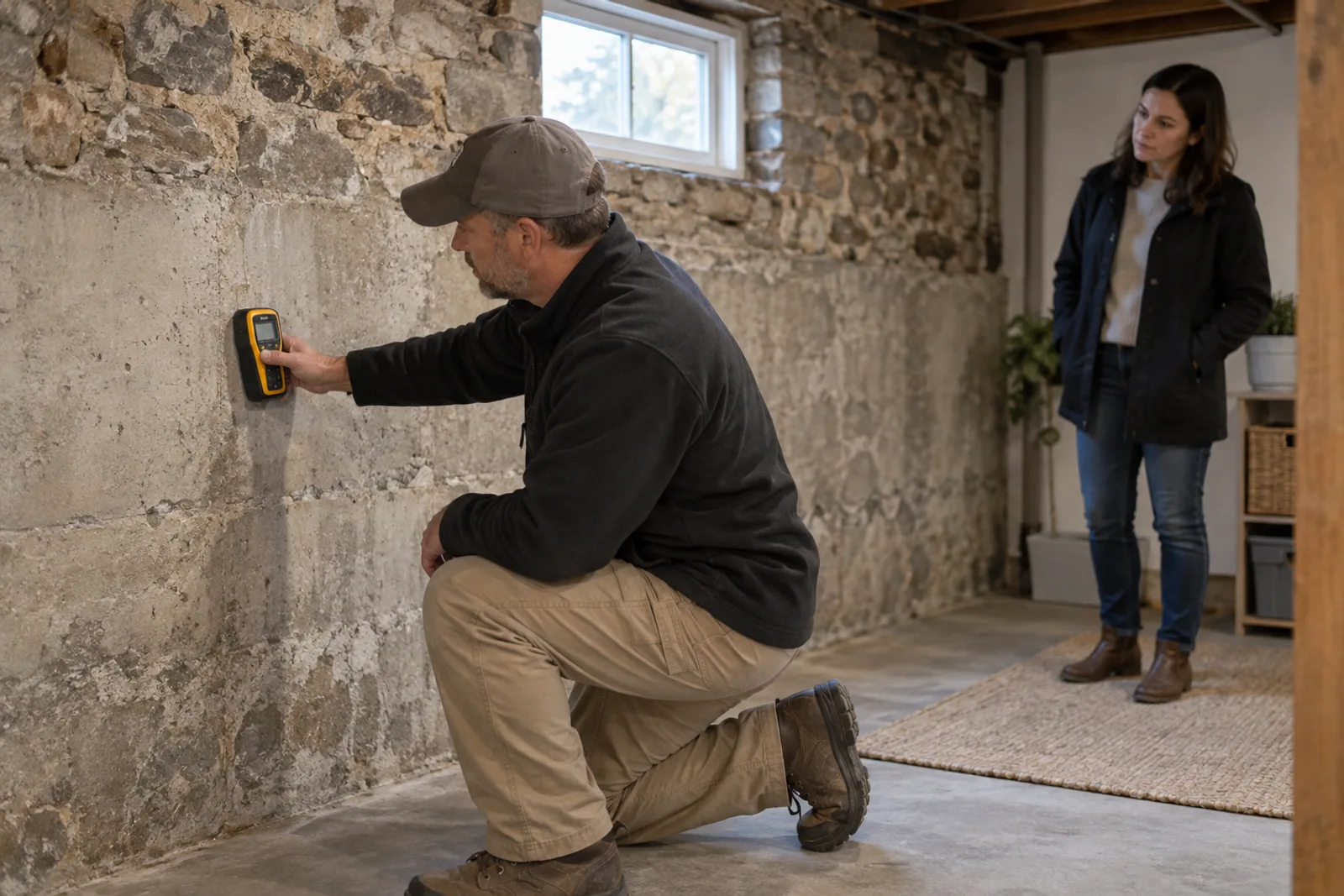
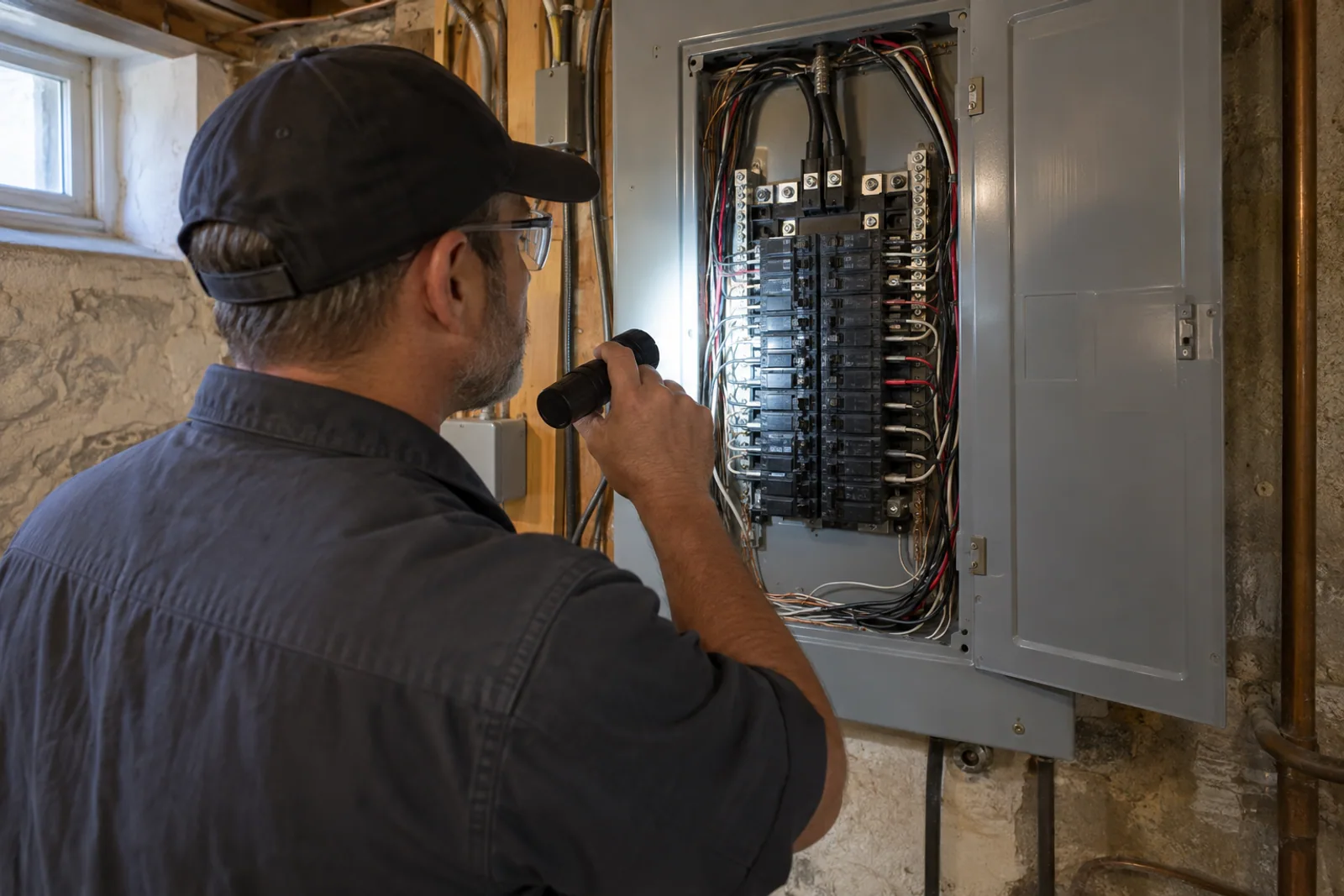
Massachusetts' home inspection information explains the scope and current buyer protections. A standard inspection is not a guarantee, appraisal, code-compliance certificate, or forecast of system life. Ask the inspector what is included, what access is needed, which areas could not be evaluated, and when the written report will be ready. If the report calls for more review, ask which specialist is appropriate.
Roofing, septic, private well, chimney, structural, pest, environmental, and electrical questions may need their own professional or test. Schedule them in time to understand the result within the applicable contractual window. For a property with a shared driveway, unusual lot, addition, or private water system, ask early whether a surveyor, attorney, contractor, or local board should be involved. No professional can assess what is inaccessible or outside their engagement.
Let the attorney interpret documents and rights
In Massachusetts, buyers commonly work with an attorney on purchase documents, title, and legal questions. Ask who will review an offer, what deadlines apply, how inspection terms work, what title materials are available, and how questions will be communicated. Do not sign an unfamiliar form because someone says it is standard. Ask your attorney to explain the actual language and the consequences of each choice.
An attorney can help you understand recorded easements, association documents, legal access, and the transaction, but the attorney does not replace a surveyor or inspector. A title question may require more than an online index. Share the address, document, and precise issue so the right review can happen before a decision becomes urgent.
Keep coordination useful and bounded
Give your agent a current list of open tasks and let them know when a specialist responds. Confirm appointments, access, and who will receive a report. Ask each professional for written notes, scope, fee, and limitations. When two sources disagree, preserve both records and ask the appropriate specialist to clarify rather than choosing the answer that is more convenient.
The interactive handoff list below follows the sections in this guide. Mark a step covered only after you know who owns it and what the next date is. It does not replace your actual contract calendar. Rita can help coordinate a Boston or MetroWest search; talk through the property and timing while your lender, attorney, inspector, and specialists answer within their roles.