Decide what “manage it myself” actually includes
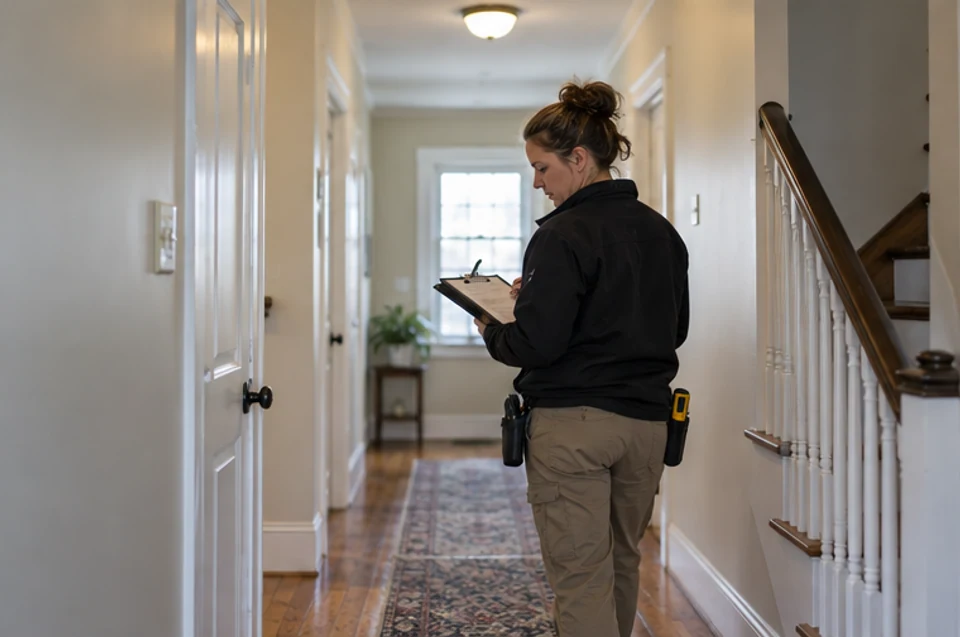
Owning a small rental property can create recurring work that is easy to overlook during a purchase search. List the tasks you expect to handle: tenant questions, maintenance requests, contractor access, bills, inspections, records, lease dates, and common-area care. Ask whether you can respond during work hours, after hours, and while traveling.
Think through a normal month and a difficult week. Who answers when a system stops working? Who can reach the property quickly? What happens if you are ill, away, or unable to coordinate a contractor? A plan should name a backup person and how they can get accurate information without having unrestricted access to private records.
Build a reliable property record system
Create a folder for each address and separate leases, notices, invoices, permits, inspection reports, appliance details, insurance, utility arrangements, and communication. Keep dates, authors, and versions visible. Store personal information securely and share only what is needed for an appropriate purpose.
Use a simple maintenance log with date reported, issue, person contacted, access arrangement, work performed, invoice, and follow-up. A record helps show what happened; it does not prove that a system is currently safe or that a repair resolved a different issue. Ask a qualified professional to evaluate the condition when needed.
Identify vendors before an urgent repair
Make a list of qualified electricians, plumbers, heating contractors, roofers, and other services relevant to the property. Confirm coverage area, availability, insurance information, written estimate practices, and how to approve work. Avoid treating one vendor as qualified for every building system. For urgent or safety concerns, ask the appropriate professional how to secure the area.
Set clear limits for approving a repair and identify who pays or documents it under the lease and applicable law. Have a Massachusetts attorney review your lease and management process. The Attorney General's landlord and tenant guide is general information, not advice for a specific owner or tenancy.
Plan the budget without hiding uncertainty
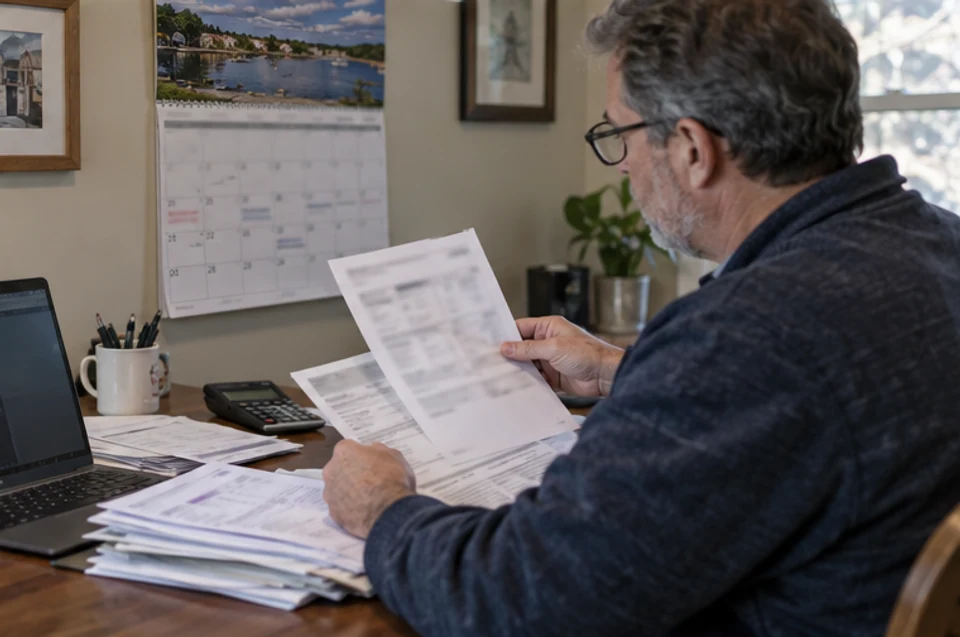
Use actual bills and invoices where possible, then add estimates that are clearly labeled. Include insurance, taxes, utilities, regular maintenance, management fees if used, accounting, vacancy scenarios, and a reserve appropriate to the property. Ask a lender and tax professional which figures belong in a financial plan. No generic percentage guarantees enough money for a specific home.
Do not treat projected rent as a guaranteed source of cash. Model a period without income and a repair that costs more or takes longer than expected. If the property only works when every month is fully occupied or no major system needs service, discuss the assumptions with a qualified financial professional.
Compare self-management with professional help
Request a written property-management scope, fee schedule, communication standard, emergency coverage, vendor process, and termination terms. Ask which duties remain with the owner and how tenant funds and documents are handled. Check references and confirm any licensing or legal requirements with the appropriate authorities and your attorney.
Professional management can save time but does not automatically remove ownership responsibilities. Self-management can create direct control but requires dependable availability and records. Compare both plans with your actual work schedule, location, experience, and risk tolerance.
Use the readiness checklist before buying
The checklist below helps mark whether you have an answer for time, vendors, records, reserves, and a backup plan. Talk with Rita about evaluating a small rental property in Boston MetroWest and share the property type and your intended role. Rita can organize the real estate discussion; attorneys, lenders, contractors, insurers, tax professionals, and managers advise within their specialties.
Before an offer, write down the work you will do, the work you will outsource, and the funds you can set aside. Identify which details are verified and which are guesses. If a role or vendor is not yet in place, decide whether you can obtain it before a deadline or accept the gap.
Revisit the plan after purchase milestones
The property, tenants, and service needs may change. Review contacts, emergency procedures, contracts, and records periodically, then update the people who rely on them. Keep a copy of critical information in a secure location and document any change in responsibilities.
Readiness is not a yes-or-no label for every investor. It is a clear picture of the work, systems, and support needed to manage one particular property responsibly.