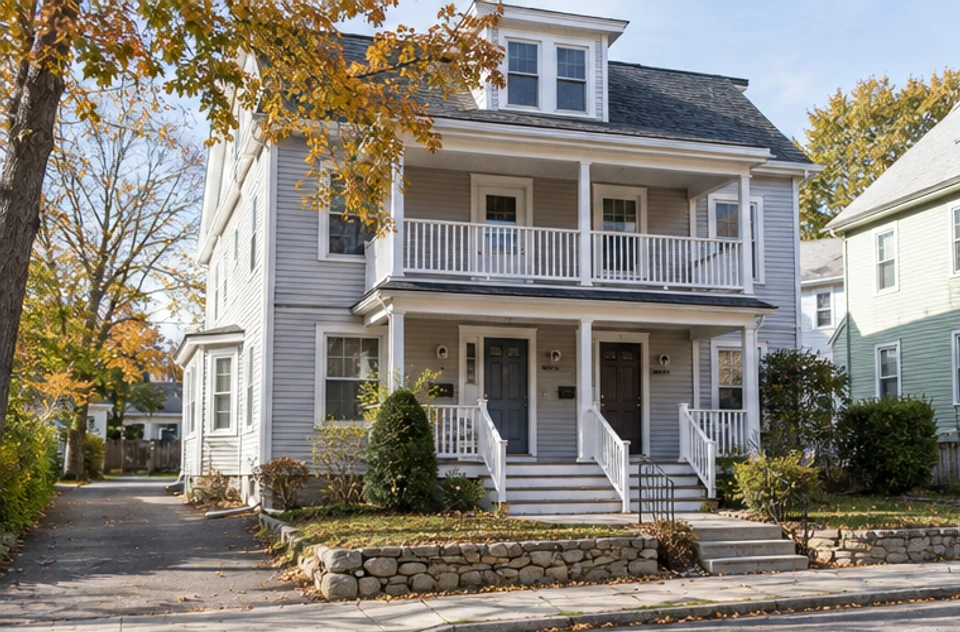
Ask what the property is and how it is used
Before considering a Massachusetts rental property, confirm the home's legal description, unit arrangement, occupancy, and available municipal records. A listing may use a familiar label, but town records, deeds, permits, and leases answer different questions. Ask your Massachusetts attorney and the relevant town office which documents apply to the property.
Walk each unit and common area, then record layout, visible condition, parking, storage, entrances, utilities, and maintenance questions. If the property is occupied, request the current lease and related documents through an appropriate secure process. Have your attorney review the actual terms, deposits, notices, and responsibilities before you plan around a future vacancy or income stream.
Understand current income and expenses as historical records
Ask which financial records are available and what period they cover. Look for rent records, utility arrangements, maintenance invoices, insurance information, taxes, and service agreements. Keep actual payments separate from estimates and projections. A past rent amount does not guarantee future occupancy, renewal, collections, or market rent.
Ask your lender what documentation they require and how financing may treat a rental property. A tax professional can explain tax questions, and an insurance professional can confirm what coverage fits the planned use. Do not assume a spreadsheet from the seller is a verified operating statement; ask who prepared it and how each number was calculated.
Inspect the building and map its systems
Record heating, hot water, electrical service, water, wastewater, laundry, roof, foundation, common halls, and outdoor areas. Note which unit or shared space each system serves. Request service histories, permits, manuals, and available reports. Have an independent inspector evaluate condition and engage a specialist when the property raises a specific question.

A visually clean room does not answer what is behind a wall or how a shared system performs. Do not test equipment or assume the scope of prior repairs from a receipt alone. If water, septic, shared drives, or other special features apply, identify the records and professionals early enough for review before an offer deadline.
Learn what managing the property would require
List the recurring work: handling repair requests, coordinating access, maintaining common areas, tracking invoices, communicating with tenants, and keeping documents organized. Decide which tasks you can do and which need a contractor or property manager. Ask a manager for a written scope, fees, coverage, communication expectations, and what remains the owner's responsibility.
The Massachusetts Attorney General's landlord and tenant guide provides general information. It is not legal advice about a specific lease or property. Ask your attorney which current laws, local requirements, and responsibilities apply before you make an operating plan.
Check local records and requirements
Municipal processes vary. Contact the official town department for questions about inspections, permits, occupancy, fire safety, or other local records. In Framingham, Inspectional Services is a starting point for that city's scope; other towns maintain their own departments and procedures. A permit record does not establish current condition or guarantee that a different use is allowed.
Keep notes about zoning, unit configuration, parking, and any work that may need a permit. Ask your attorney and relevant town staff which record answers each question. Do not rely on a neighbor's account or an old listing as proof of present requirements.
Build a conservative property file
The field notes below can organize occupancy, maintenance, financing, and record questions before you commit. Talk with Rita about a rental-property search in Boston or MetroWest and bring the property address and documents you have. Rita can help coordinate the real estate review; attorneys, lenders, inspectors, insurance professionals, and tax advisors answer their questions within their own roles.
Before an offer, summarize what is verified, what remains open, and the people who can answer each point. Include a plan for repairs and a period with no rental income without calling either outcome certain. If the numbers work only under an optimistic assumption, revisit the decision with a qualified financial professional.
Decide whether the responsibility fits
A rental property is not just a purchase price and rent estimate. It is a building, a set of legal and financial records, and a recurring management role. Compare those responsibilities with your time, reserves, and risk tolerance. A careful review cannot guarantee an outcome, but it can prevent the property from being mistaken for a simple income stream.