
Walk through with a notebook, not a repair wish list
A pre-listing walkthrough is an opportunity to notice questions before photos and showings. It is not a home inspection, code review, or promise that every visible issue must be repaired before a sale. The useful outcome is a clear record: what you observed, what may need professional attention, what records exist, and which presentation choices are optional.
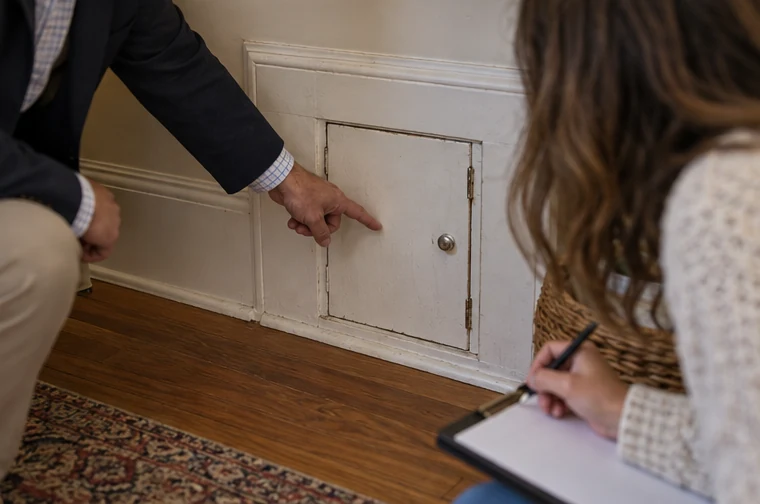
Bring a phone or notebook, move through the home in a consistent order, and record the room or system with each note. Separate direct observations from assumptions. “Water mark below the upstairs window” is an observation. “The roof leaks” is a conclusion that may require evaluation. This distinction helps avoid unnecessary work and gives a contractor, inspector, or attorney a clearer question.
Sort observations into three lanes
Use three lanes: safety or urgent question, routine maintenance, and presentation. A concern involving a possible electrical hazard, unstable railing, active leak, or blocked exit should not be treated as a styling task. Stop and ask a qualified professional how to proceed. Do not conceal it or invite visitors to interact with an unsafe area.
Routine maintenance includes items such as a service record to locate, a filter schedule to confirm, or a repair history to organize. Presentation includes choices that make a room easier to photograph or navigate, such as tidying surfaces or adjusting furniture. The lanes are a sorting aid, not a diagnosis. If you are unsure whether an issue is safety-related, ask someone qualified before categorizing it as cosmetic.
Start with access and visible conditions
Check that doors and paths work as expected and that storage, mechanical equipment, and shutoffs are not blocked. Note visible staining, damaged finishes, sticking doors, or areas where a prior repair is documented. Do not test equipment in a way that could cause damage, and do not open electrical or mechanical components unless you are qualified to do so.
For each observation, record four things: where it is, what you saw, whether it is active or historic as far as you know, and who can answer the next question. Add a photo for your private working file if it helps you remember the location. Avoid including personal information or sharing household details broadly. Keep the record factual and dated.
Gather documents before deciding on work
Look for invoices, warranties, permits, manuals, and service notes that relate to the home. If a repair or improvement was completed, note who did the work and which records are available. A receipt or town permit may help explain history, but it is not proof of current condition or a substitute for professional evaluation.
Massachusetts has current rules and consumer information about residential home inspections. Review the state's home inspection guidance when deciding what a buyer's inspection may involve and what questions to ask. A seller walkthrough does not perform that inspection or determine a property's compliance. For town-specific permits or records, use the official department for the property location; procedures differ by municipality.
Decide whether to repair, document, or leave a choice open
Once observations are sorted, ask the appropriate professional about scope, cost, timing, and any records the work will produce. Then compare that information with the listing timeline and your own priorities. Some maintenance may be sensible to address; another item may be better documented and discussed transparently. A cosmetic improvement should have a clear purpose and should not be used to disguise a condition that needs evaluation.
Do not assume that a repair will increase the sale price by its cost, or that every buyer will value the same work. Ask your listing professional to help think through presentation and buyer questions, while contractors and inspectors answer within their professional scope. Keep estimates separate from completed work and label proposed work as proposed.
Prepare a concise handoff file
Create a one-page index with the room or system, your observation, known dates, supporting records, and the next person to ask. Keep original documents organized and share copies through a suitable process. If the issue involves legal disclosure, permits, ownership, or a contract, ask a Massachusetts real estate attorney rather than relying on a marketing checklist.
The preparation board below can help you sort each walkthrough topic into a lane. Talk with Rita about a pre-listing plan in Natick, Framingham, Boston, or MetroWest. She can help organize the listing conversation; qualified inspectors, contractors, town staff, and legal professionals should evaluate questions within their respective roles.
Revisit the notes before photography
After professional follow-up, update the record with what was verified, what work was completed, and what remains open. Remove items that were resolved, and avoid presenting an old note as a current condition. Before a photographer arrives, focus on access, lighting, and room presentation only after safety and active maintenance questions have been routed appropriately.
This sequence reduces confusion: observe, document, route, decide, and update. It keeps a seller from spending time on every visible imperfection while helping important questions reach the right person before the listing process gets busy.