
Start with dated records for one address
A useful rental-property operating checklist begins with the property, not an advertised return. Create a file for the exact address and list the documents available: signed leases, rent records, tax bill, insurance, utility accounts, maintenance invoices, service agreements, and permits. Record the period covered by each item and who prepared it.
Keep actual payment records separate from seller summaries, online estimates, and your own projections. If a bill includes more than one unit or utility, write down how the amount was divided and whether a meter supports it. Do not assign a precise per-unit cost without a reliable basis.
Build a revenue view from agreements and history
Review the actual lease, amendments, notices, and payment records with your Massachusetts attorney. Note the contract dates, what the parties agreed to, and which documents are missing. A past rent amount or a listing's projected rent does not guarantee future occupancy, payments, renewal, or a particular income level.
If a unit is vacant, keep possible rent as an estimate and identify its source and date. Ask your lender what rental income they can consider for financing. Do not combine an asking rent with a confirmed deposit or signed lease. When a property is occupied, protect tenant information and share documents only through an appropriate process.
Itemize expenses with a source and date
Create a list of taxes, insurance, utilities, common-area services, repairs, management fees if applicable, accounting, and recurring maintenance. For each item, identify whether it comes from a recent bill, a written quote, a service contract, or an estimate. Note the property or unit it covers and whether the amount may change.
Ask an insurance professional what coverage applies to the intended use. A lender can explain financing requirements, and a tax professional can advise about tax questions. Do not use a generic expense ratio as a guarantee that a property will cover itself. Build your own range from records and discuss the assumptions with qualified advisors.
Track maintenance as a workflow
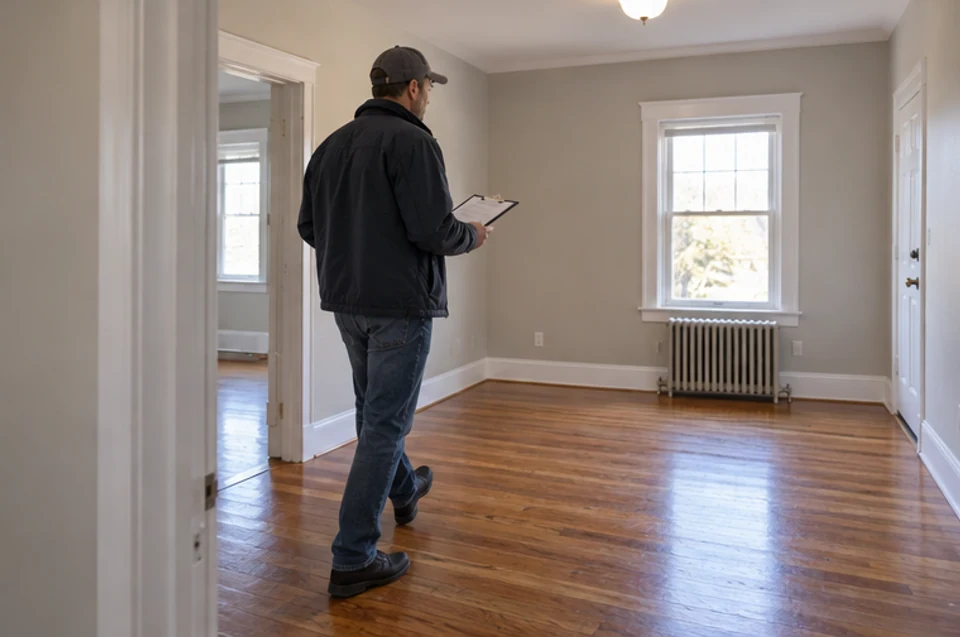
Record the date a request or issue appears, its location, who evaluated it, the proposed scope, approval, vendor, access, invoice, and follow-up. If a system needs further diagnosis, label it open until a qualified professional responds. A paid invoice may document work but does not prove an entire system is now problem-free.
For a multi-family home, separate unit-specific tasks from shared systems and common areas. Note who is responsible under the lease or association documents and who needs to approve access. Ask a property manager or attorney to clarify process questions. Store warranties, manuals, permits, and service contacts with the relevant system record.
Build a calendar for recurring work
Use a calendar for lease milestones, service visits, insurance renewals, tax dates, municipal processes, and follow-up requests. Confirm each date with the source document or provider. Do not assume that a recurring reminder satisfies a legal, inspection, or notice requirement; ask your attorney or the local department what applies.
The checklist below helps mark whether each operating category has an owner and a reliable record. Talk with Rita about organizing a Boston MetroWest rental-property review. Rita can help structure the real estate discussion; attorneys, lenders, insurers, accountants, and property managers advise within their respective scopes.
Keep uncertainty visible in any projection
If you create a cash-flow worksheet, state the dates and source for every input. Show a vacancy scenario, a repair estimate range, and a change in costs without presenting any outcome as guaranteed. Do not use a single best-case month as the expected return. If you cannot support a value with a document or a professional estimate, leave it blank or mark it unknown.
Compare the total with your available reserves and the time needed to manage the building. A rental property can require capital and attention even when its records appear orderly. Ask a qualified financial professional to review assumptions before relying on a projection.
Review the file before each major decision
Before an offer, lease renewal, repair, or refinancing, update the records and confirm which assumptions remain current. A property file is only useful if its dates and sources stay clear. Revisit the checklist after a system changes or a new agreement is signed.
The purpose is not to produce an attractive return figure. It is to understand the property's operations from evidence, ask the right professional about each uncertainty, and decide whether the responsibilities fit your plan.