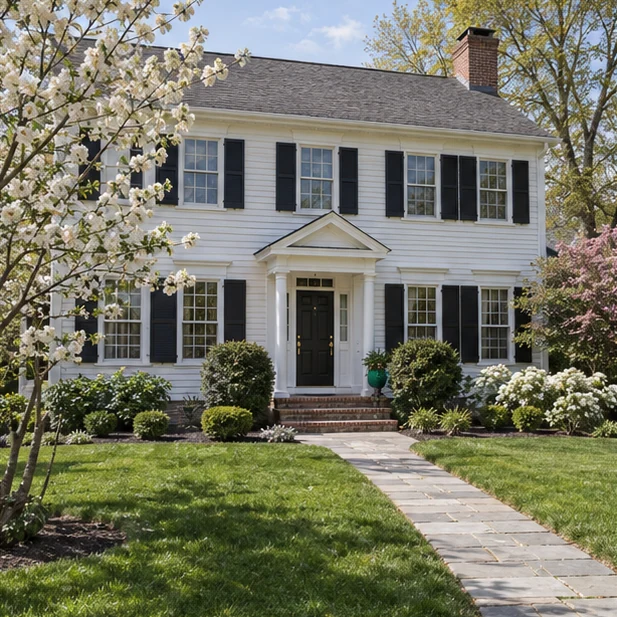
Separate the home's energy story from an upgrade wish list
Energy efficiency can affect comfort, equipment choices, utility use, and future work. A showing or listing description rarely explains how the entire house performs. Start with what is documented: utility bills, equipment manuals, service invoices, insulation work, energy assessments, and any improvements the owner can substantiate.
Ask for the period covered by each bill and which utilities it includes. Occupancy, thermostat settings, weather, and appliance use can change consumption, so a past bill is not a promise about your future cost. Keep the property's records separate from estimates you obtain for your own household.
Map the major systems before comparing proposals
Record the heating and cooling equipment, hot water, fuel or energy sources, thermostat zones, visible insulation, and any ventilation equipment. Note the model information only when it is available and safe to access. Ask who maintains each system, when it was last serviced, and whether manuals or warranties exist. Do not open equipment or make a diagnosis during a tour.
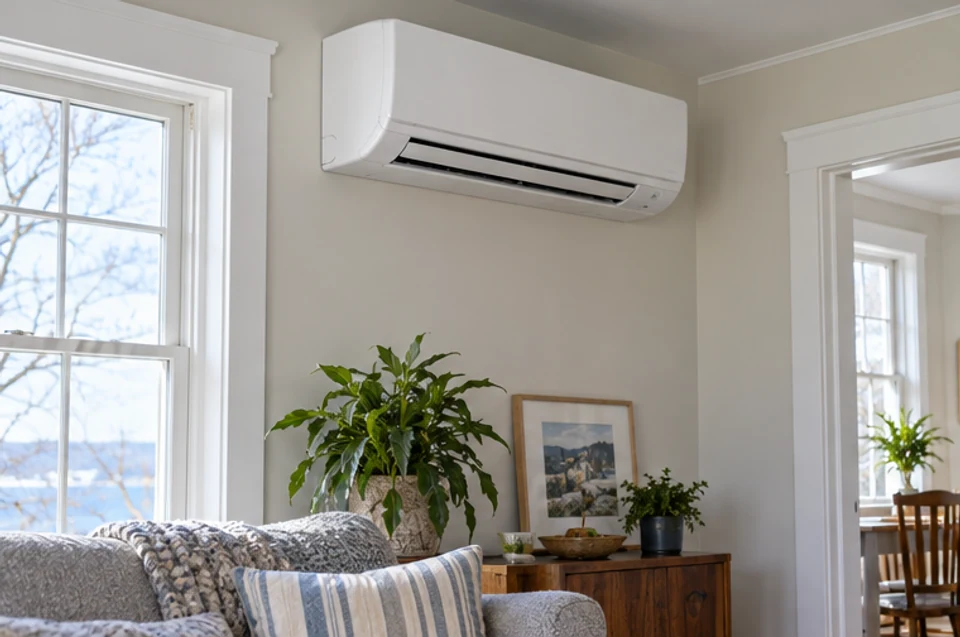
If you see a heat pump, boiler, furnace, or other equipment, ask a qualified inspector or contractor how it serves the home and whether a specialty review is warranted. A single unit in one room does not tell you how the rest of the property is heated. Ask how additions, finished areas, and control zones connect to the system.
Review the building envelope and comfort clues
Notice drafts, condensation, uneven temperatures, attic access, and visible insulation without assuming their cause. Check whether doors and windows operate as expected, then write down areas that deserve closer review. A room that feels warm during an open house may not reveal seasonal performance, and a new window does not answer questions about air leakage or ventilation elsewhere.
Ask whether an energy assessment or weatherization project was completed and request the report or invoices. A professional assessment can identify opportunities for a particular home; a real estate inspection and an energy assessment have different purposes. If recommendations involve air sealing, insulation, combustion appliances, or ventilation, ask the appropriate professional about safe sequencing and the home's specific needs.
Check Massachusetts programs at the source
The Massachusetts Department of Energy Resources shares current residential information through its Energy Efficiency for Your Home guide. Programs, eligibility, participating providers, and incentives can change. Confirm current details directly with the program before including any benefit in your budget or purchase decision. Do not assume that a past owner qualified or that a proposed project will be approved.
If you are considering work before or after purchase, ask for a written scope and estimate from a qualified contractor. Compare equipment, labor, electrical requirements, permits if applicable, maintenance, and warranty terms. An incentive is not the same as a contractor quote, and a quote does not prove a project will reduce your bill by a particular amount.
Build a property-specific improvement question list
Use three columns: existing condition, document or professional needed, and possible next action. A note might say “attic insulation level not documented” rather than assigning a rating. A professional can advise whether an inspection, energy assessment, or contractor visit is appropriate. Keep the report date and the inspected areas visible so you know what it covers.
The field notes below help organize these questions before a second tour. Talk with Rita about reviewing a Boston or MetroWest home and share the systems you want to understand. Rita can help coordinate a property conversation; inspectors, energy professionals, contractors, and lenders answer technical and financial questions within their own scope.
Compare the work with your ownership plan
Ask your lender how recurring costs fit the monthly plan and obtain a professional estimate for work that matters to you. Include maintenance, controls, filters, and potential repair needs rather than comparing only the purchase price of equipment. If a system is near a decision point, ask a specialist how to evaluate it before deciding that replacement is necessary.
Do not treat a tax credit, rebate, energy score, or modeled savings as guaranteed unless the current program or a qualified professional confirms the details for that property and household. The goal is to identify what is installed, what has been documented, and what you would need to verify after purchase.
Leave the unknowns clearly marked
Before making an offer, decide which energy questions could change your budget, comfort, or renovation plan. Route each to the right person and include any timing constraints in your discussion with your attorney and agent. If no reliable answer is available yet, keep it marked unknown rather than turning a guess into a commitment.
A careful review helps buyers compare homes in Natick, Framingham, Boston, and nearby MetroWest towns without assuming that age or equipment type predicts performance. Use the records, the property's current condition, and qualified assessments to make the comparison meaningful.