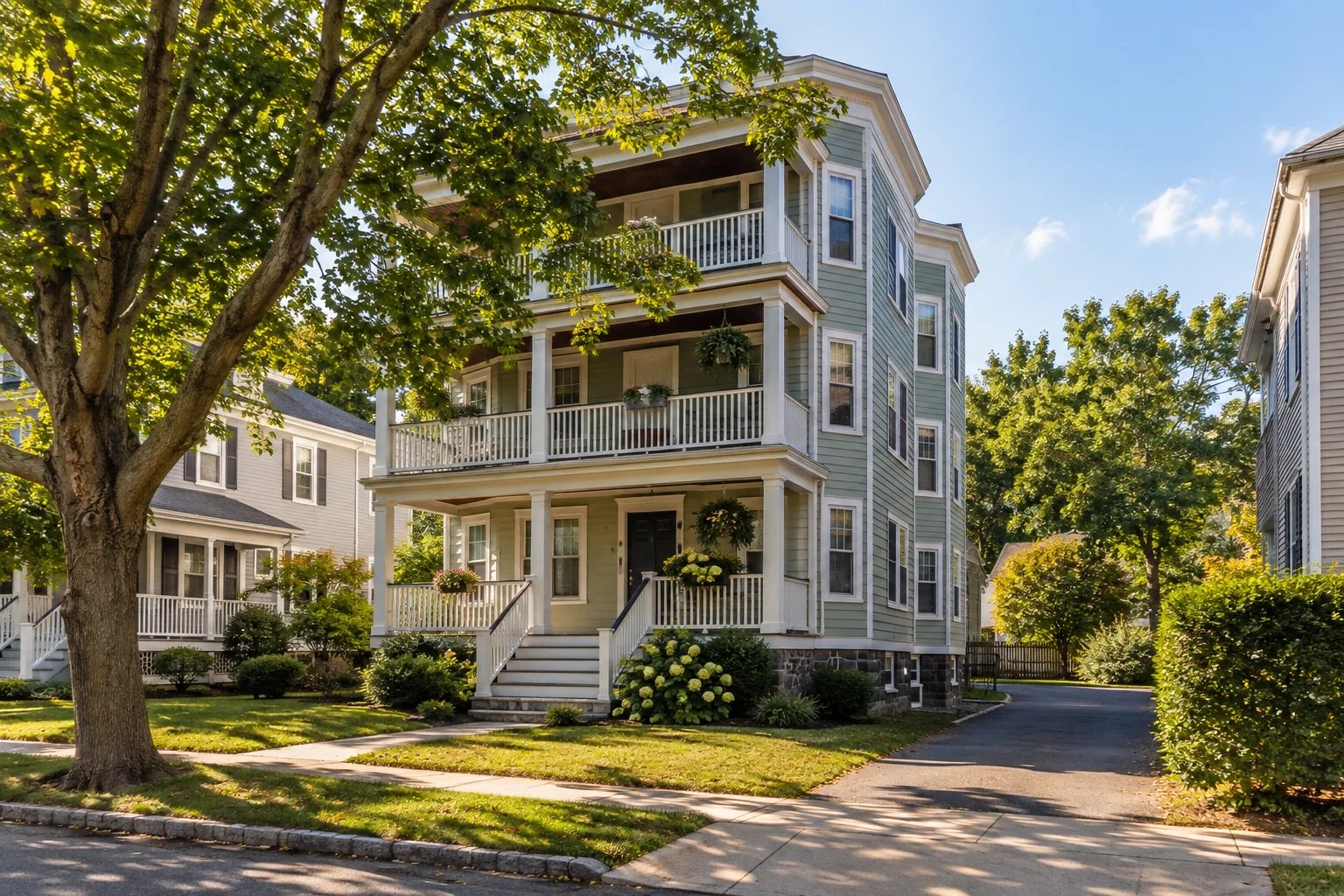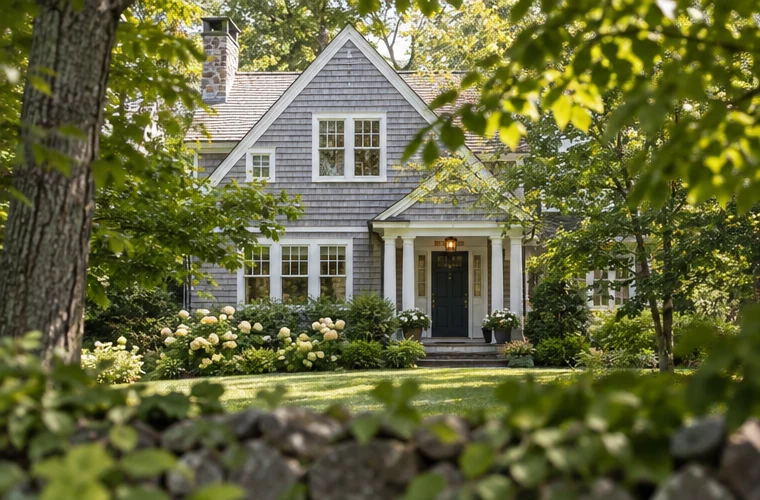
Compare the homes in front of you
Wellesley and Wayland can both be part of a MetroWest search, but a town label cannot tell you whether a particular property fits. Choose actual listings that appear to meet your needs and compare them against the same criteria. If you do not yet have a suitable home in one community, keep that side of the comparison open instead of inventing a typical house or assuming one place is the better option.
Write down the features that matter: sleeping and work space, storage, access, parking, outdoor use, stairs, and the home type you are willing to maintain. Separate essentials from preferences. For a buyer considering both, Rita can help organize a Wellesley and Wayland shortlist around specific properties rather than broad town assumptions.
Verify costs instead of using a single number
Ask your lender to explain the financing range and monthly assumptions for each property. Then collect current tax information, insurance quotes, utilities, association fees, and maintenance records as applicable. Do not compare an assessed value in one town with an asking price in the other as if they were the same measure. Record the year and source of each figure and mark what still needs confirmation.
Property type matters. A condo may include shared maintenance and association rules. A detached home may place more upkeep on the owner. A larger lot can change the amount of seasonal care, while a long driveway may affect snow and surface maintenance. Ask qualified professionals to estimate costs that matter to your decision; avoid assuming a figure based on a neighbor's home.
Compare the property records and condition
For each address, request the documents that match its history: plans, permit records, service invoices, system manuals, and association materials if relevant. Keep seller statements separate from public records and your own observations. A finished space or remodeled room does not, on its own, establish permit status, installation quality, or future maintenance needs.
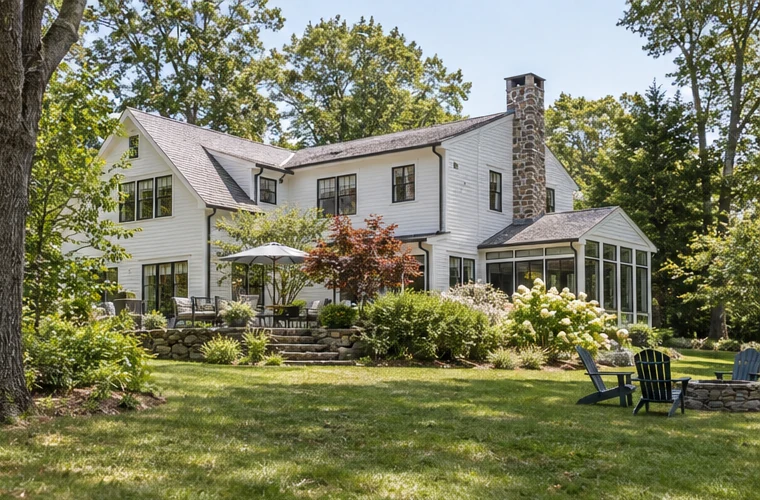
Use a qualified inspector to review accessible conditions and ask whether a specialist should follow up. If a boundary, shared access, septic system, well, or addition matters, identify the professional or town office that can answer that specific question. Wellesley's Building Department and Assessor's Office provide town information; verify the relevant records and requirements directly for the property.
Test your route and visit the setting
List the destinations that actually shape your week and test each route at the times you expect to travel. Check current transit schedules, station access, parking, transfers, walking routes, and alternate options. If driving, try the route when practical. A map estimate or a trip at one quiet hour may not describe the routine you will have after a move.
During a visit, notice access to the building, driveway, parking, sidewalks, and outdoor spaces. Visit again at another time when traffic, light, noise, or access matters. Keep observations tied to the specific address. Do not use protected-class assumptions or unsupported school rankings as substitutes for a property and route review; focus on services and routines you personally need.
Let the scorecard expose open questions
The comparison tool below lets you give two homes your own ratings. Use the same categories for both, and leave a score blank if you do not know enough. The bars reflect only your choices: they do not measure market value, predict a commute, or rank Wellesley and Wayland. If new records or an inspection change your understanding, update the comparison rather than defending an early impression.
At the end, list the one or two questions that would change your decision and who can answer them. A lender can clarify financing, a town office can direct a records request, and an attorney, inspector, or specialist can review matters within their scope. Meet Rita and review her MetroWest services or talk through the properties on your shortlist.