
Compare the week you want to live
A Boston condo and a MetroWest house represent different property searches, but neither is automatically the right choice. Start with a normal week: where you need to go, how often you travel, which spaces you use, and how much time you want to spend maintaining a home. Write down what you need to be true for the move to feel worthwhile.
Then list the trade-offs you would accept. You might prioritize a particular layout, a dedicated work area, outdoor space, transit access, parking, storage, or a certain level of responsibility for repairs. Treat each as a question to test against an actual property, not as a promise associated with an entire city or town.
If a home appears to offer a feature you value, ask how it is measured and where the information came from. Confirm room dimensions with reliable property documents, parking rights in the relevant records, and association responsibilities in the governing documents. A photo or listing phrase can help you decide what to ask about, but it should not be the final source for a costly or contractual conclusion.
Put the full budget beside each address
Use the same budget worksheet for both searches. Include the lender's estimate, taxes, insurance, utilities, association fees if applicable, maintenance, transportation costs you expect to change, and one-time move or closing expenses. Mark each amount with its source and keep estimates separate from confirmed figures.
For a condo, review what the monthly association charge covers and what remains your responsibility. For a house, ask which systems and exterior areas you would maintain and what records are available. Request a property-specific insurance quote and verify the current tax information with the relevant town. Do not use a general listing estimate as a guarantee of future expenses.
Test the real routine, not a map impression
Choose the places you travel to regularly and check the trip from each address at the times you would actually leave. Consider the route, mode of travel, parking or transfers, and how often you expect to make it. Conditions vary, so one test trip should not be treated as a promise about every weekday.
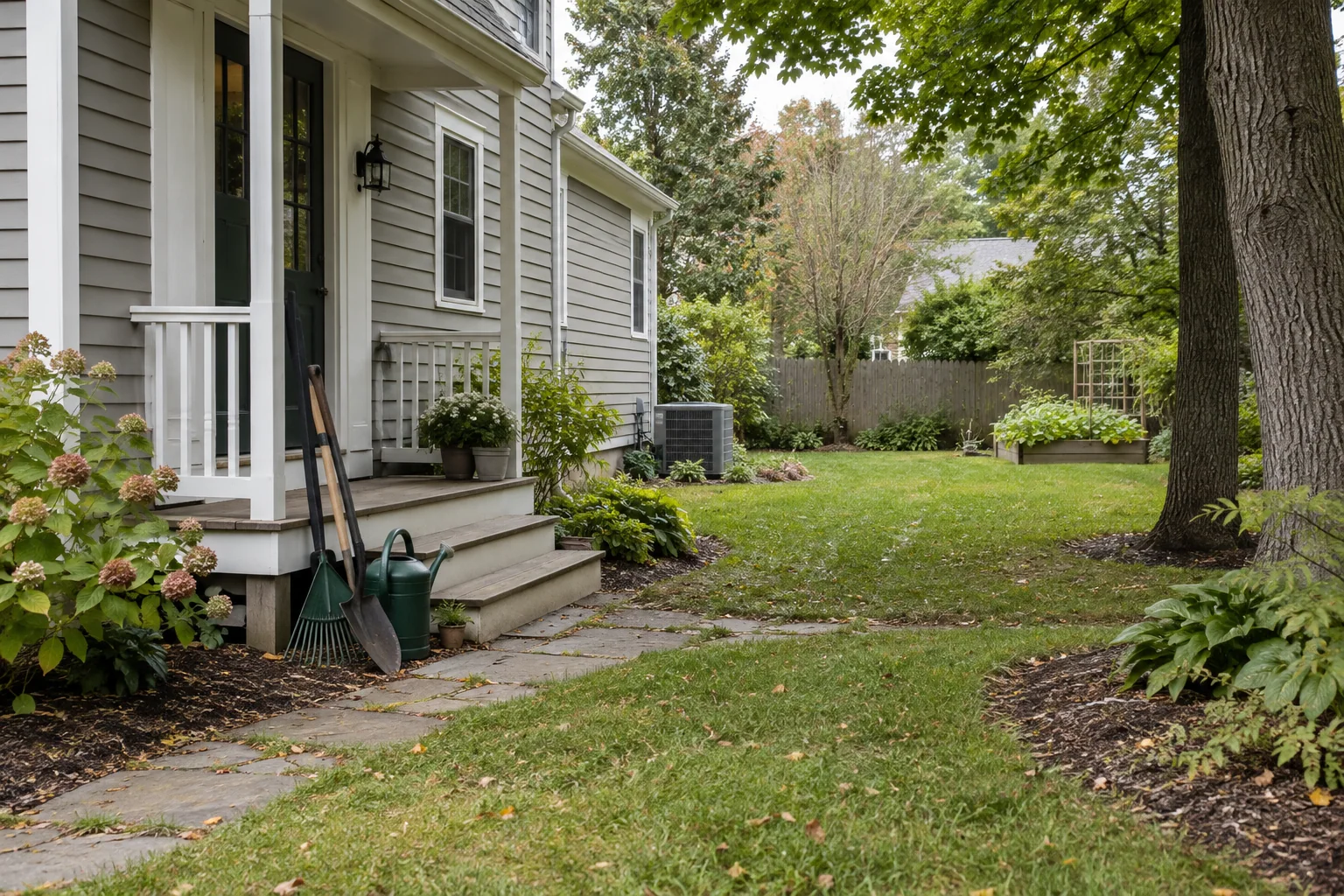
During visits, notice the practical details that affect your schedule: where daily items go, how groceries reach the kitchen, whether storage works, and which routes feel easy or inconvenient. If a feature depends on a building rule, transit schedule, town service, or parking arrangement, confirm it with the appropriate source rather than relying on a showing impression.
Compare responsibilities and flexibility
Write down who maintains the roof, exterior, common areas, heating equipment, landscaping, snow-related areas, and shared access for each home. Condo documents define some responsibilities; a single-family property puts other tasks directly on the owner. The answer can vary by building and address.
Also note how each home could work if your needs change. Separate practical flexibility from assumptions about resale or rental income. If future use depends on association rules, zoning, permits, financing, or local requirements, have the right professional confirm it before you count on that option.
Score only what matters to you
Use the comparison tool below to rate two specific properties on your own priorities. You can change the categories in your notes, repeat the exercise after reviewing new documents, and leave a rating blank when a question is still open. The scores are personal prompts, not a market analysis or a town ranking.
Before deciding, mark each open item with the person who can answer it: lender, insurer, town office, inspector, association, attorney, contractor, or another qualified professional. Rita can help organize the local property search and the questions to bring forward. Talk with Rita about your Boston or MetroWest plans, or learn more about her services before you choose a next step.