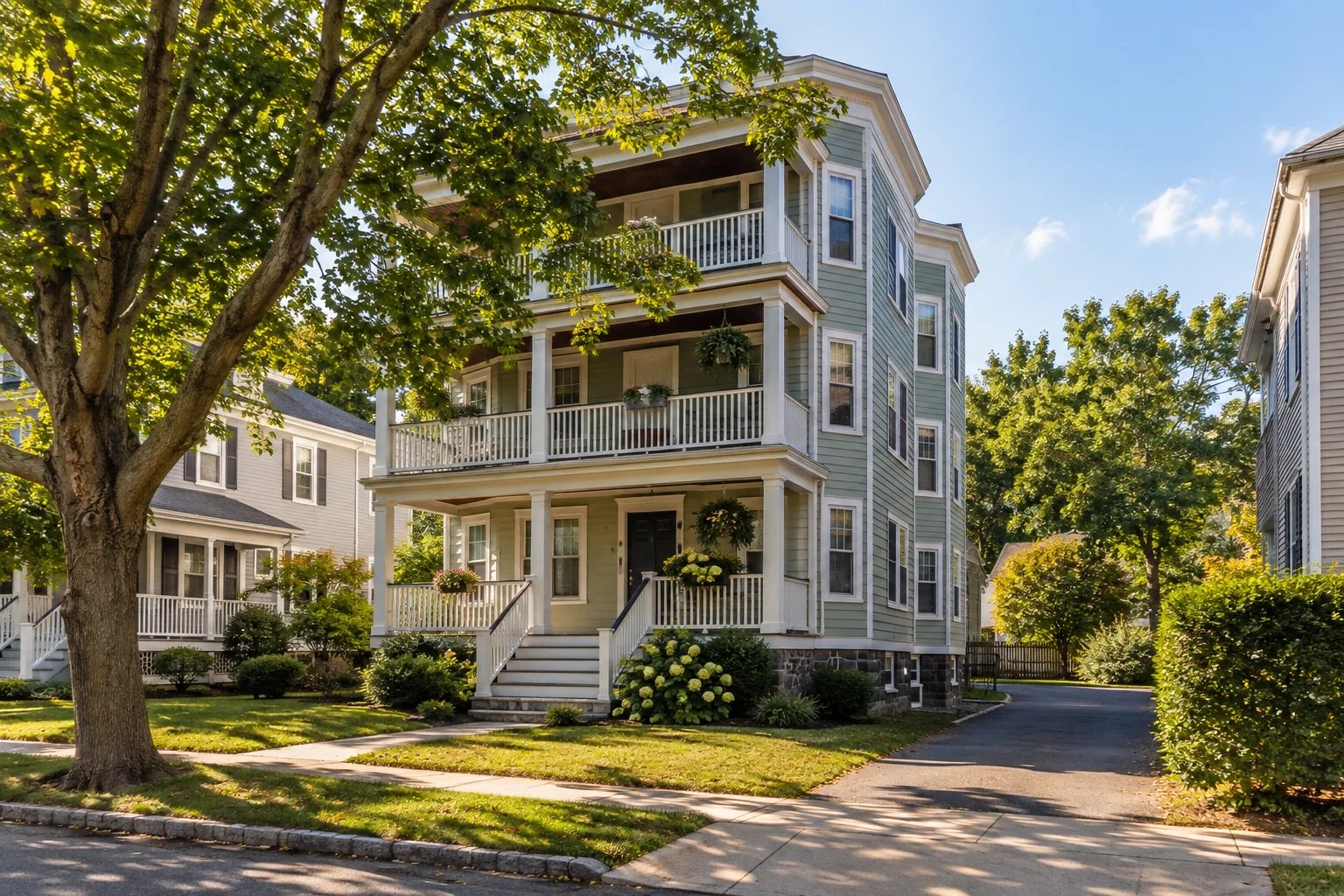
Compare the ownership, not just the listing photos
When you search in Framingham, a condo, a single-family home, and a multi-family property can all look like possible next steps. The useful comparison is not which label sounds best; it is which property's responsibilities, records, costs, and layout fit your plans. Start by writing down how you expect to use the home and which responsibilities you are willing to take on.
Make a short list of must-haves, then name the trade-offs you would accept. Think about privacy, shared spaces, exterior maintenance, storage, parking, potential rental responsibilities, and how much time you want to devote to upkeep. Keep your notes specific to each address instead of assuming every property of one type works the same way.
If you are considering a condo
Look beyond the unit itself. Ask for the current association documents and financial information, then review them with a qualified professional. Confirm what the monthly fee covers, what the owner pays separately, how shared maintenance is handled, and whether planned work or rules could affect your intended use. The exact documents and review process depend on the association and transaction.
During a showing, note the condition of shared entries, hallways, stairs, outdoor areas, parking, and other amenities included with the property. These observations are not a substitute for records or an inspection, but they can help you prepare focused questions. A clean lobby does not establish the condition of the building's structure, finances, or systems.
If you are considering a single-family home
Identify which parts of the property are yours to maintain and which systems need closer review. Ask about the roof, heating, electrical service, water, wastewater, drainage, and known repairs. Request available records for improvements and permits, and take unanswered questions to the appropriate inspector, contractor, town office, or other adviser.
Walk the exterior as well as the rooms. Notice slopes, shared access, retaining features, trees, and areas that may need recurring care. A showing provides a first look, not a survey or a professional assessment. If a boundary, easement, drainage issue, or other condition could affect your plans, find out who can verify it before you rely on an assumption.
If you are considering a multi-family property
Clarify whether you would occupy a unit, manage the property, or evaluate an investment with professional support. Ask which units are occupied, what leases and operating records are available, who handles maintenance, and which expenses are shared or assigned to a particular unit. Confirm how local requirements may apply with qualified legal and property-management advisers; do not infer compliance from a listing description.

Your financing, insurance, tax treatment, and responsibilities may differ from an owner-occupied single-family purchase. Discuss the planned use with your lender, insurer, accountant, attorney, and other professionals who can advise on those questions. An agent can help organize property information, but should not replace specialized advice.
Use one worksheet for every showing
Compare the same categories across the homes on your shortlist: purchase and recurring costs, maintenance ownership, documents available, flexibility of use, and open questions. Keep confirmed facts separate from estimates. Then score each property against your own priorities in the interactive comparison below. Its ratings are yours alone; they are not market data or a ranking of Framingham neighborhoods.
If you are deciding between property types in Framingham, talk through your search with Rita. Share the addresses or listing links, the way you plan to use the home, and the questions you want to confirm. You can also learn about Rita and her local real-estate services before deciding on the support that fits your next step.