
Understand how the property is actually arranged
A two-family listing can look like a simple way to combine a home with rental income, but the building's layout, legal status, condition, and obligations are specific to that address. Confirm how many units the property is recorded and approved to contain, which areas are shared, and which spaces or services are separate. Ask the town's building department or other relevant office how to check records; do not infer legal occupancy from doors, kitchens, or an old listing.
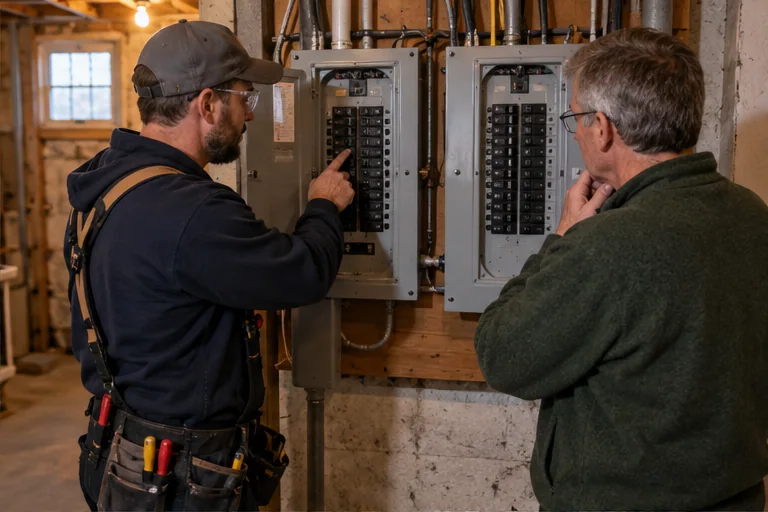
Walk through each unit with the same notes: rooms, condition, storage, access, heating, water, electrical service, and visible maintenance. Note whether equipment appears shared, but let qualified professionals confirm which systems serve which spaces. A general inspection may not evaluate every system or legal issue.
Review current agreements and privacy carefully
Ask whether any unit is occupied, whether leases or tenancy agreements exist, and what documentation is available for a buyer's review. Have a Massachusetts attorney explain which records and obligations transfer, how access to an occupied unit must be handled, and how to protect tenant information. Do not ask a current resident to disclose private details or enter a unit without the appropriate permission and notice.
The Massachusetts Attorney General publishes a current Guide to Landlord and Tenant Rights, including information for both property owners and renters. Review that guide and consult an attorney about your particular property, occupancy, and any intended change in use. A real estate article cannot interpret a lease or guarantee that an arrangement is lawful.
Compare income records with operating responsibilities
If the seller provides rent, expense, or service information, ask what period it covers and which source supports each figure. Separate scheduled amounts from amounts actually collected, and identify utilities or services included in an agreement. Do not treat an advertised rent estimate as guaranteed income. Ask a tax professional and lender how they evaluate the property's history and your financing scenario.
Build a separate ownership worksheet for repairs, insurance, utilities, common areas, maintenance, professional management, and any expected vacancy or transition costs. Use estimates from appropriate providers and mark assumptions explicitly. The visual checkpoints below help you collect questions; they do not calculate returns or tell you whether a property is a suitable investment.
Run more than one scenario with your lender or financial adviser instead of treating the seller's current occupancy as your only possible outcome. Note which costs belong to the building as a whole, which vary by unit, and which are your responsibility under written agreements. If the numbers only work under an assumption you cannot verify, identify that uncertainty before deciding how much risk you are willing to take.
Ask who is responsible for the shared parts
Review the roof, foundation, exterior, common entry, yard, parking, storage, and shared mechanical areas. Ask how routine work has been handled, whether written agreements cover shared use, and whether any maintenance is overdue or disputed. Request service notes, permits, inspection reports, and repair records where available. If the property has a septic system, private well, or shared drive, add the relevant specialists and local departments to your review.
Make a fit decision with the right advisers
Talk with your lender about owner-occupant financing and property-specific conditions. Ask an attorney to review occupancy, agreements, and transaction documents; have inspectors and licensed tradespeople assess physical systems; and consult a tax professional about reporting and ownership questions. Each adviser answers a different part of the decision.
Rita can help organize a local search across Framingham, Natick, and MetroWest. Discuss the property with Rita and review her services, then bring the records and questions to the professionals qualified to evaluate them.