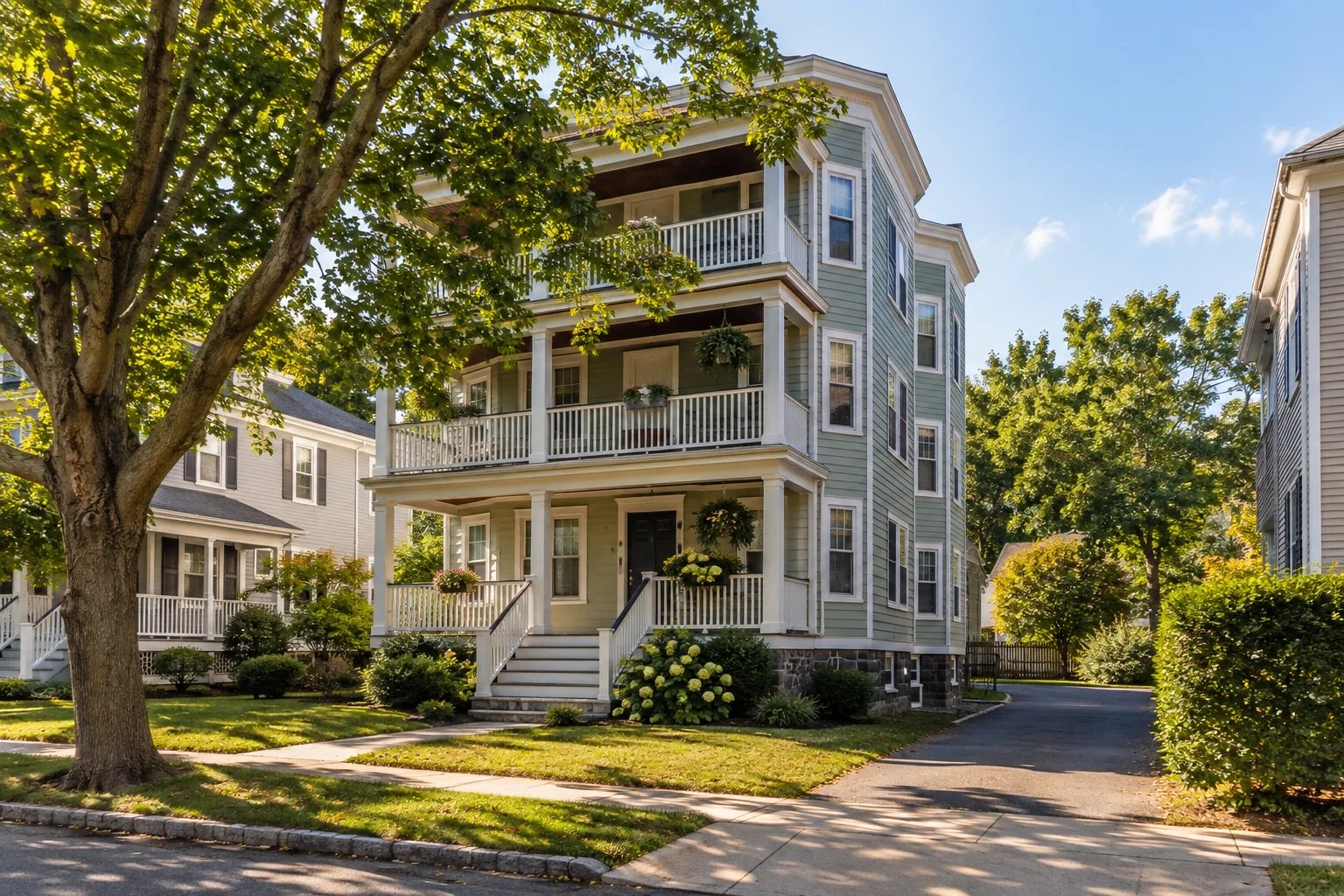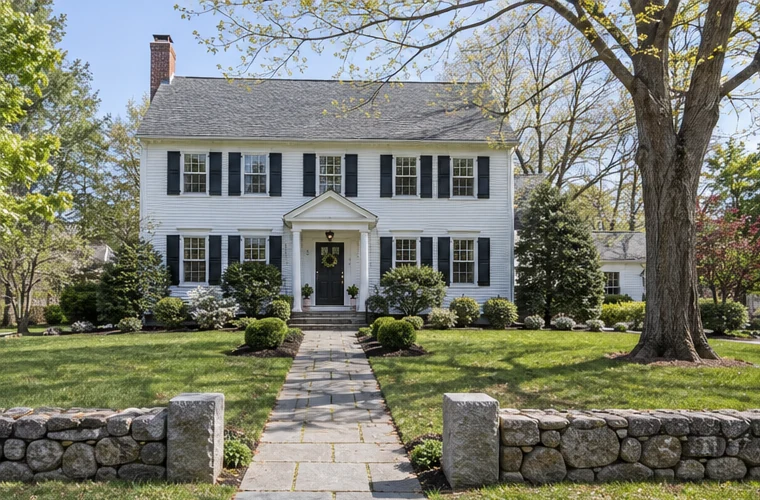
Keep the comparison anchored to real listings
Southborough and Westborough can both fit a MetroWest search, but town names do not tell you whether a specific home fits your life. Select actual properties that appear to meet your basic needs and compare them using the same questions. If only one community has an appealing listing today, leave the other side open rather than treating a town average or a past home as a stand-in.
Before you tour, write down your preferred home type, essential rooms, monthly comfort range, timing, and the places that shape your week. A shortlist should reduce noise, not make you choose between communities before you have seen the homes. Rita can help organize a Southborough and Westborough search around the properties you are considering.
Compare layout and ownership responsibilities
For each address, note room arrangement, storage, parking, outdoor areas, stairs, accessibility, and the maintenance tasks you are willing to manage. Ask whether spaces are private or shared and where that is described. A listing photo can show an appealing patio or finished room without establishing its permitted use, ownership, or maintenance responsibility.
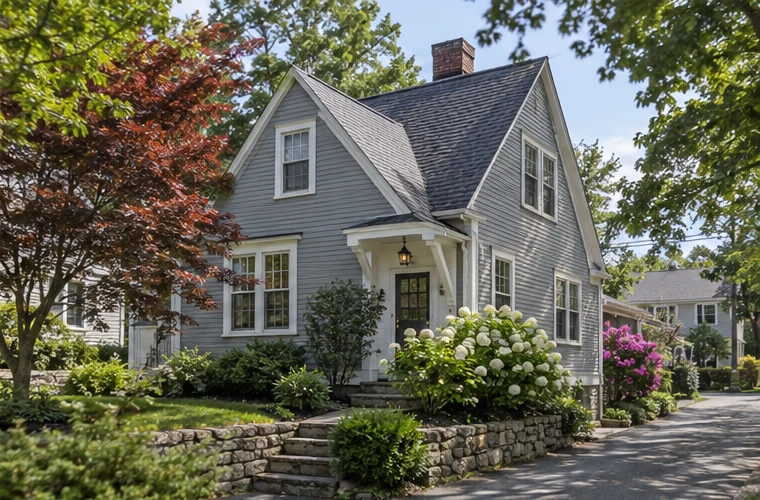
Include the property type in your notes. A condominium or townhouse may involve association rules, shared systems, fees, and documents. A detached house can place more upkeep with the owner. A multi-family property can add unit, lease, and service questions. Read the records for the home itself instead of assuming all properties in a category work the same way.
Verify the numbers for each home
Ask a lender to explain the financing assumptions and how they relate to a particular property. Then collect current taxes, insurance, utilities, association charges if applicable, maintenance information, and transportation costs. Separate one-time moving or repair costs from recurring costs. Mark each number with its year, source, and status: confirmed, quoted, estimated, or still unknown.
Do not compare an assessed value in one town with an asking price in the other as if they were the same measure. Do not assume that a current tax bill, insurance premium, or utility amount will apply to every future owner. A town office, insurer, provider, lender, or professional advisor can answer different parts of the question; keep the sources in your notes.
Test the route from the address
List your real destinations and check current transit or driving options from each property at the times you expect to travel. For rail, confirm the current schedule, station access, parking, transfers, and walking connection. For driving, consider the full trip and check it when practical. A station photograph or map distance does not establish door-to-door time or daily convenience.
Also consider errands, appointments, and other routines you personally expect to have. If a route changes by day or time, keep those differences visible instead of averaging them away. Do not substitute population or protected-class assumptions for questions about a service you need. Compare the actual route and property in front of you.
Review records and unresolved conditions
Keep permits, plans, system records, inspection findings, and association documents attached to the address they describe. If an addition, access easement, private well, septic system, or unusual lot feature matters, identify which town record or specialist can answer the question. An online map may help with orientation but does not replace a survey or legal review.
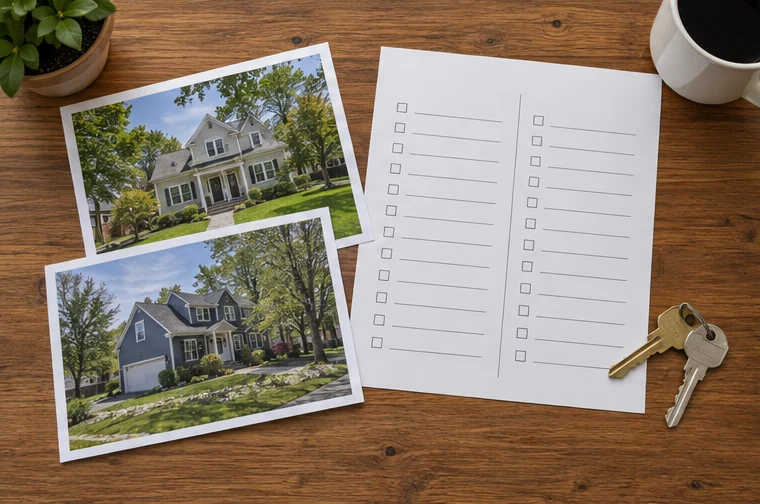
Use the comparison tool below to rate two homes only on criteria you understand. You choose the categories and scores, so it is not market data and does not rank Southborough or Westborough. Leave an item unrated if a document or professional review is still pending, then use the open question to plan the next step.
The goal is to find a property whose verified details and weekly routine fit your priorities. Learn about Rita's local work or share the listings and trade-offs on your shortlist. A useful comparison ends with a specific question, appointment, or record to request—not a blanket conclusion about a town.