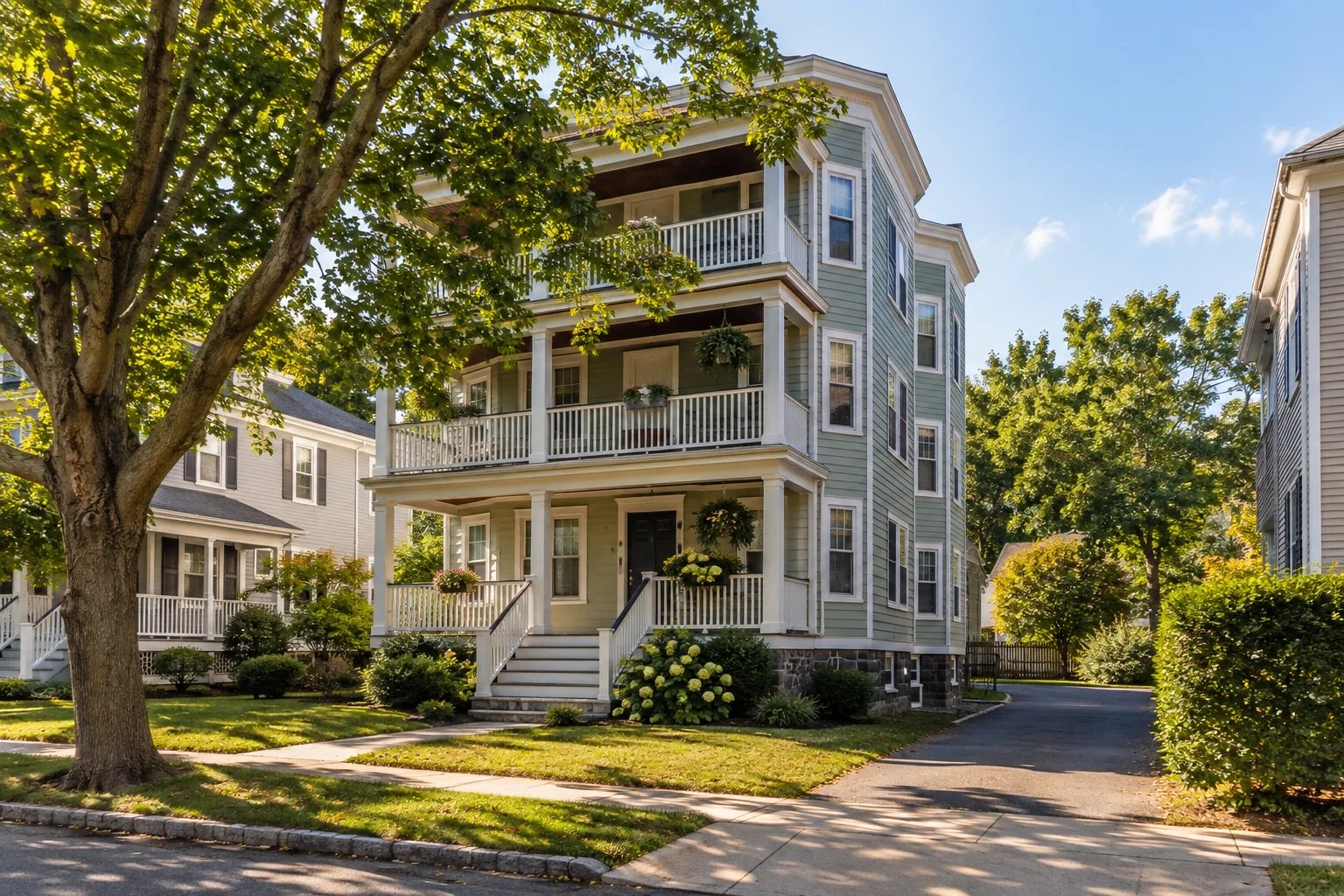
Replace the town-versus-town question with a home-versus-home one
“Natick or Framingham?” is a useful starting question, but it cannot tell you which property fits. Both searches can include different home types, conditions, price points, and travel patterns. A town-wide label also hides block-by-block differences. Compare the addresses you could realistically buy and the routines each one would support.
Start with your budget and financing range, then list the spaces and features that matter most. Decide which needs are firm and which could change. If you are working with a lender, ask how taxes, insurance, association fees, and maintenance should fit the property's monthly plan. Avoid comparing one home's asking price with another property's total cost without the same inputs.
Compare property types and responsibilities
For each Natick and Framingham listing, identify whether it is a condo, detached home, multi-family property, or another type. Then compare the ownership responsibilities: shared areas and association documents, building systems, outdoor upkeep, occupancy, utilities, and available maintenance history. Different homes within the same town may create more meaningful differences than the towns themselves.
Record the layout, storage, parking, condition, and systems at each address. Ask what records exist for renovations and major equipment. If a property includes a shared drive, private well, septic system, condo association, or rental unit, note which professional or public record should answer your question. Do not infer permitted use, condition, or future expense from a listing description alone.
Test routes with your calendar
Write down where you need to go in an ordinary week and the times you expect to travel. Test trips from each address rather than using one point in Natick and one in Framingham as a proxy for the entire town. Transit service and schedules change, so confirm the current options with the provider. For driving, compare more than one departure time and consider the return trip as well.
If a commute or appointment route is decisive, try it yourself. Include parking, transfers, walking connections, and the time needed to get from the door to the actual destination. A map estimate can help you choose what to test; it cannot represent every day or predict future service.

Use the same comparison sheet twice
Create matching pages for the two properties. Include price and financing questions, room layout, condition, outdoor space, storage, parking, records, expected upkeep, and routes. Mark each item as known, observed, stated, or still open. That vocabulary stops a seller's statement, your observation, and a verified document from becoming the same thing.
When you finish, identify the three differences that matter most to you. A smaller kitchen, an extra flight of stairs, a shared building system, or a longer trip may affect your daily routine differently than it affects someone else's. Your list should reflect your own plans rather than an assumed ideal buyer.
Ask the next professional the right question
Ask your lender about financing and monthly estimates, an inspector or specialist about condition, and a Massachusetts attorney about legal documents and offer terms. Town offices can point you to their own public records and procedures. Each role has limits, so route the question instead of expecting one person to verify every detail.
Before making an offer, review the actual home's records and the complete terms with your qualified advisors. If you are still weighing Natick against Framingham, talk with Rita about a property-by-property search or learn about her work across Boston and MetroWest. The comparison tool below can help you record what matters; its scores are personal notes, not a town rating.
Decide what you need to learn next
The best next step may be a second tour, a lender conversation, an association document, a professional inspection, or a route test. Write it down for each address with an owner and a target date. If neither home fits, update your search brief based on what you learned rather than choosing a town solely to end the comparison.
Natick and Framingham each contain varied properties, and neither is a universal answer for every buyer. A clear comparison is specific, repeatable, and honest about what remains unknown. It helps you choose a home and a daily routine together while leaving technical and legal conclusions to people qualified to provide them.