Define the move in terms of your real week
Before choosing a home in Wellesley, write down what your new address needs to support. List work locations, appointments, frequent destinations, room needs, storage, parking, and the amount of upkeep that fits your schedule. The purpose of this brief is to help you compare properties, not to find a town label that promises a particular lifestyle.
Set your price range with a lender and distinguish costs you can confirm from estimates. Include taxes, insurance, utilities, association charges if applicable, and a maintenance reserve appropriate to the property. A price advertised online is not the same as an ownership budget, and another owner's monthly cost may not apply to you.
Research the specific home's context
Wellesley includes different home types, layouts, lots, and property histories. For each address, note the type of home, room arrangement, visible condition, parking, outdoor space, and proximity to the destinations you chose. If you are comparing a condo, request its governing documents; if you are considering a house, ask about its major systems and lot records.
Check official sources when a particular fact matters. Town departments can direct you to their own records, procedures, and maps. An assessor card may help identify a property record but does not establish legal use or present condition. A neighborhood page, listing description, and visit each answer different questions; keep them separate in your notes.
Test routes and daily access
Map the full trip from each home to work and regular appointments. Test transit options with current schedules from the provider and try driving at realistic times. Include transfers, walking distance, parking, return journeys, and any stop you make most weeks. If access to a particular location is essential, test that route rather than relying on a town-center estimate.

Visit the street at more than one time if traffic, access, parking, or noise may affect your routine. A home tour provides a short snapshot, not a full picture of daily conditions. Record the date and what you observed so the notes do not become a broad claim about the whole area.
Ask about systems, permits, and ongoing work
Request information about heating, roof, electrical, plumbing, water, wastewater, drainage, and past improvements as appropriate. Keep the source and date with each item. A permit record, seller statement, or service invoice may explain part of the property's history but does not prove current condition. A qualified inspection and specialty review may be appropriate depending on what you find.
If the home has a shared driveway, private system, retaining feature, or other condition that could affect use, note which public record or professional may answer it. Ask your Massachusetts attorney about legal and offer documents, your lender about financing, and town staff about municipal records. Do not expect one advisor to certify every detail.
Organize your research in one place
For every home, keep the address, source, date, question, and next contact together. Mark each note as observed, stated, documented, estimate, or still unknown. This makes it easier to compare properties and spot the question that needs attention before an offer deadline. If a cost is changing or an incentive is involved, verify the current information with the provider.
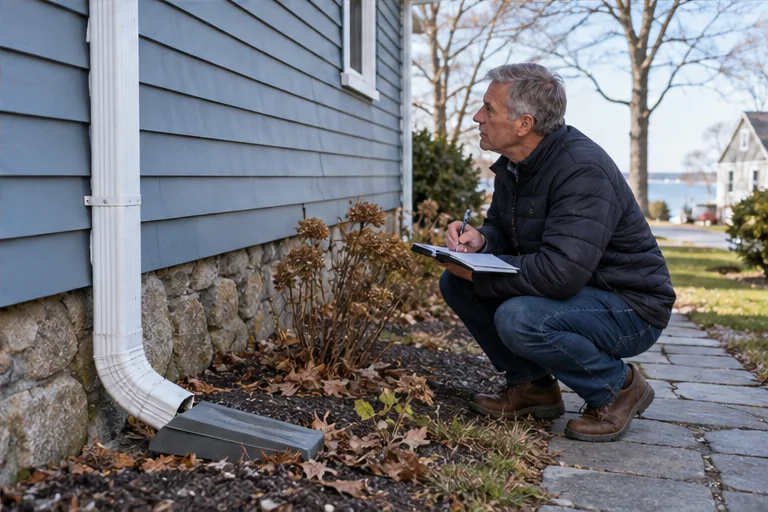
The field notes below can turn a showing into an organized follow-up list. Talk with Rita about moving to Wellesley and share your timing, property needs, and route priorities. She can help coordinate a local search; attorneys, lenders, inspectors, and town offices answer questions within their own areas.
Compare Wellesley with nearby options fairly
If you are also considering Natick, Wayland, or another MetroWest community, use the same buyer brief and property questions in each search. Do not compare the best feature of one home with the worst feature of another or assume one town is a universal fit. Compare addresses, records, current costs, and real routes.
If a property seems promising, identify what would make you revisit the decision: an inspection finding, a record discrepancy, a budget change, or an impractical route. Discuss those issues before moving forward. A clear research plan helps you make an informed choice while keeping open questions visible.