Build the search around a practical arrival plan
Buying in Framingham while living out of state takes more coordination than watching listing videos. Start with a lender conversation, your move window, and a short brief describing property types, budget, routes, and daily requirements. Decide how often you can travel and which questions need an in-person visit or a professional inspection.
Keep a shortlist with the address, property type, listing date, source of each detail, and next question. Do not let a video clip or staging photograph become the entire property record. Ask your agent to show transitions between rooms, storage, mechanical spaces when safely accessible, parking, and the exterior context. A camera cannot reveal all conditions or substitute for a qualified inspection.
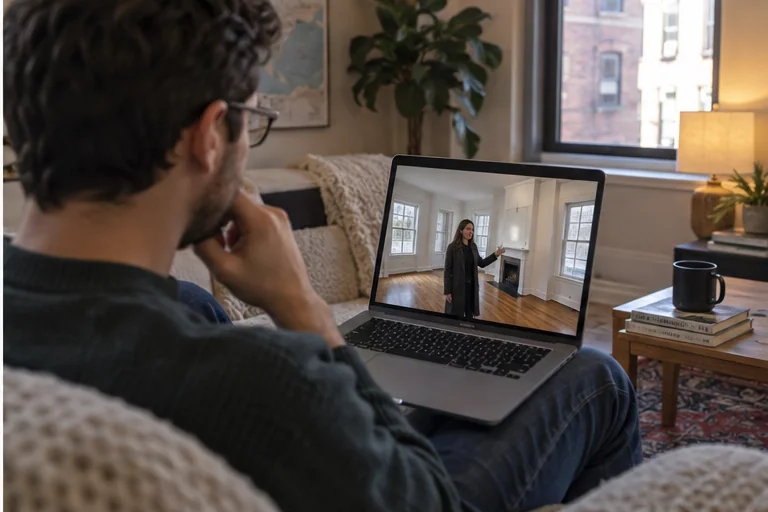
Use a remote tour as a first screen
Before a live video tour, send a list of questions and ask for a consistent route through the property. Note where the camera does not go and which areas need an on-site visit. Ask the person conducting the tour to distinguish their observation from the seller's statement. A short clip can hide layout transitions, noise, street context, or areas with limited access.
Request available floor plans, seller disclosures, system records, permits, utility information, condo documents, or lease information as applicable. Keep each file labeled by address and date. If a document is missing, write down who can request it and when. A listing description is not a substitute for records or legal review.
Plan one useful visit rather than several rushed ones
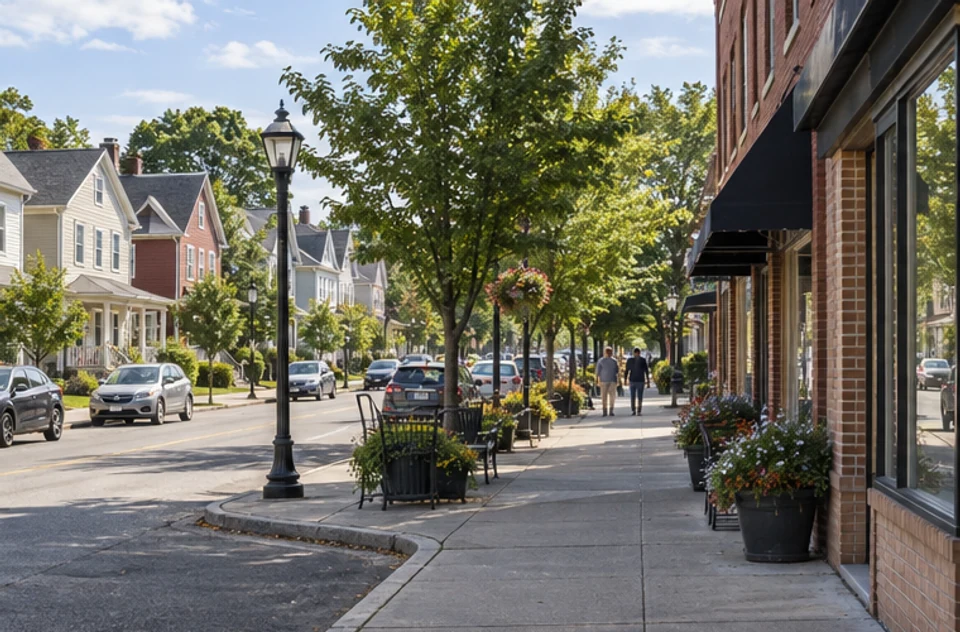
If you can travel, group tours around the properties and questions that remain. Leave time between appointments for notes and a second look at an essential feature. Visit the surrounding streets at a time that reflects your expected routine. Check the full route to work or regular destinations, and verify transit with the MBTA trip planner or the appropriate provider.
If travel is not possible, ask whether a trusted local person can observe the surroundings, but do not treat an informal visit as an inspection or professional opinion. Your lender, attorney, and inspectors may have independent requirements for a transaction. Coordinate schedules with them before relying on someone else's video or description.
Engage qualified local professionals early
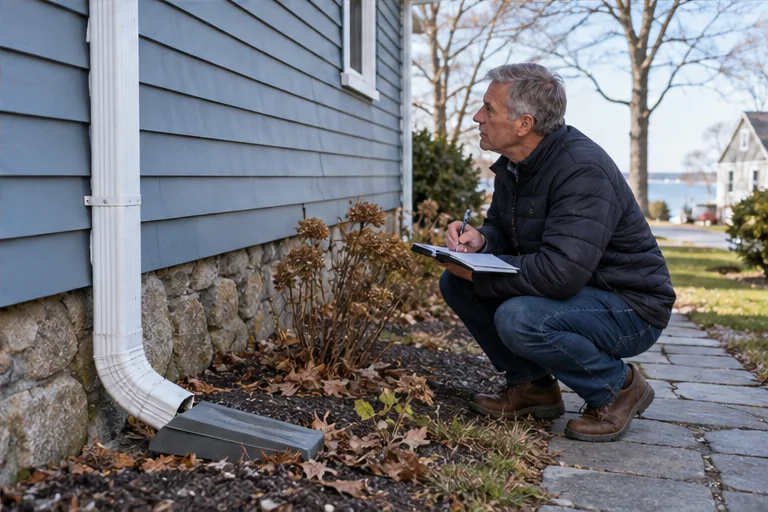
Arrange an independent home inspection and any specialty review that fits the property and your questions. Discuss the inspection scope, who will be present, how results are delivered, and what access is needed. If a property has a septic system, well, shared drive, addition, or multi-family use, ask which specialist or municipal records could help.
Have a Massachusetts attorney review the purchase documents and explain deadlines. Ask your lender what property and borrower information is needed while you are out of state. If you are selling another home, coordinate both transaction calendars and keep financing assumptions current. Avoid planning around an offer or closing date that has not been confirmed in signed documents.
Keep local logistics visible
Write a move list with utilities, insurance, keys, storage, mail, work setup, and any temporary housing. Confirm service areas, providers, and activation dates directly. Keep account credentials and wiring instructions secure. When payment instructions change, independently call the known closing professional instead of trusting an email-only update.
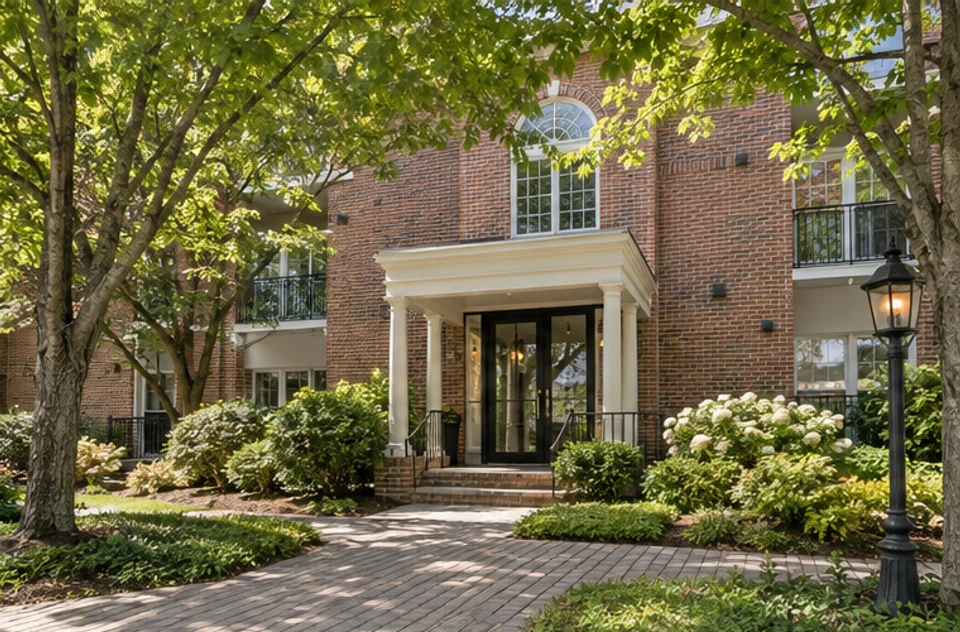
If you are buying a condo, include the association documents and building rules in your remote review. If you are buying a house, account for the lot, systems, and seasonal maintenance. For a multi-family property, request unit-specific records and have leases reviewed. The same remote process should adapt to the home instead of assuming every Framingham listing creates the same questions.
Track every promise back to its source
Use the route below to mark each step when the responsible professional and source document are clear. Talk with Rita about a Framingham search from out of state and share the windows when you can visit. Rita can help coordinate a local search, while an attorney, lender, inspector, and town office answer their respective legal, financial, technical, and record questions.
Keep a log with four fields: statement, source, date, and verification needed. If an answer changes, update the log rather than keeping a stale screenshot in the shortlist. Before writing an offer, review the full property file, financing plan, and contract terms with the professionals involved.
Do not let distance erase your review time
Remote logistics can make a buyer feel pressure to decide from a video. Set a personal rule for what you will not skip: seeing the home, obtaining a qualified inspection, reading the actual documents, and understanding the offer deadlines. If the schedule does not allow those steps, ask your attorney what options exist rather than relying on a general checklist.
The objective is not to remove travel from a home search. It is to spend your time on the questions that only the property, its records, and qualified people can answer.