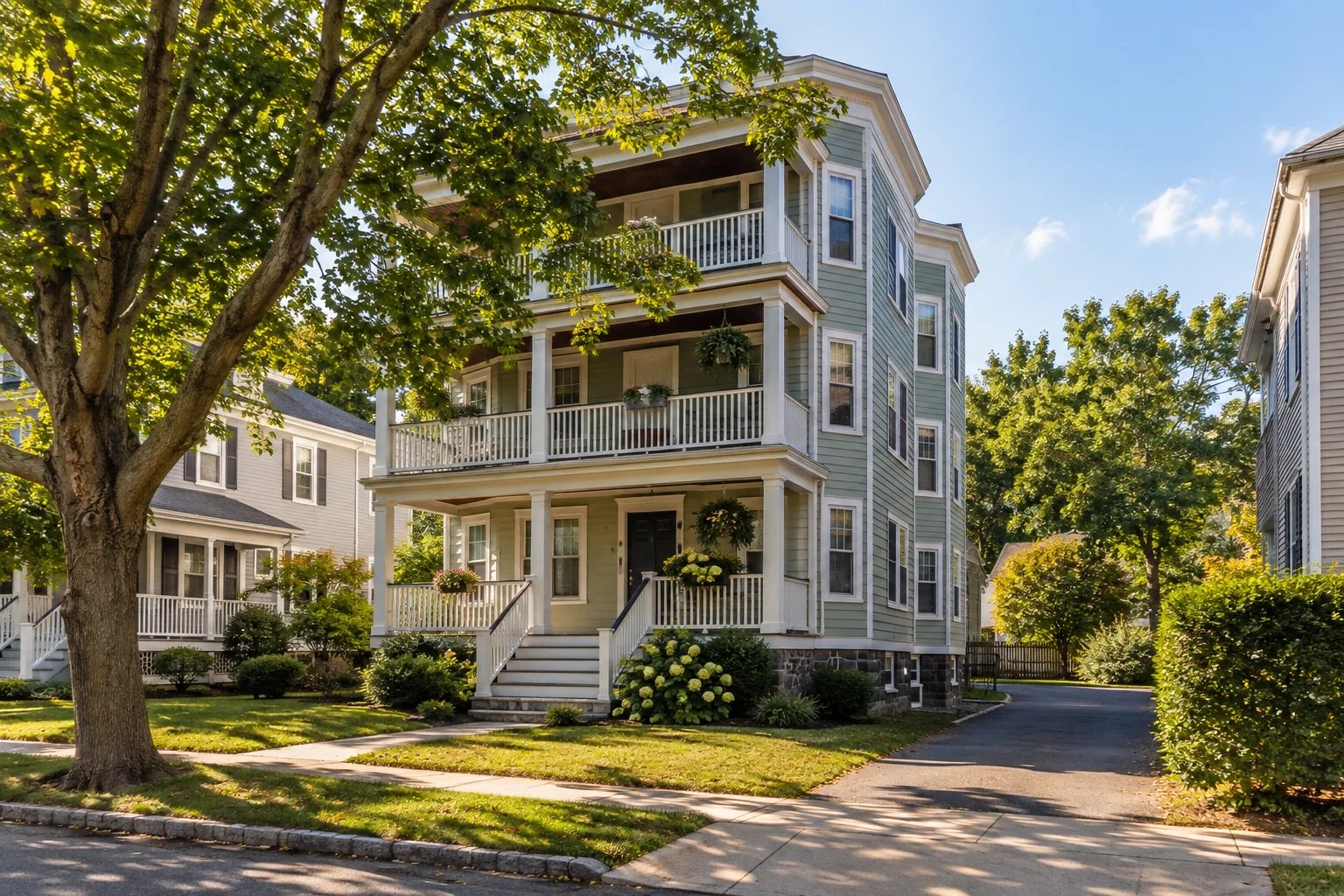
Start with a real search boundary
Natick, Wellesley, and Framingham can all appear in a MetroWest search, but the town name does not tell you whether a particular home fits. Define the search by practical boundaries first: your comfortable monthly range, the home responsibilities you accept, the rooms and access you need, and the destinations that shape a normal week. Then keep the geographic area wide enough to surface realistic options, but narrow enough that you can compare them carefully.
If you are deciding between communities, write down what you still need to learn rather than assigning each place a permanent score. A work schedule, a transit transfer, a property type, or a planned move date can change what is useful. You can ask Rita about a search spanning Natick, Wellesley, and Framingham and explain what a workable week looks like for you.
Compare actual listings, not imagined averages
Choose one property at a time and record its address, listing date, home type, visible layout, asking details, and source. Mark what is stated by the listing separately from what you have confirmed. Do not assume two similarly priced homes have similar taxes, insurance, utilities, association obligations, maintenance needs, or condition. Verify the current figures and documents for each address.
For the home itself, compare room arrangement, storage, parking, outdoor responsibilities, stairs, accessibility, and where work or hobbies would happen. For a condo or townhouse, read the association documents and understand shared systems, fees, and rules. For a detached or multi-family property, identify who maintains each system and what records apply. A property-specific question may need an inspector, lender, attorney, insurance professional, or town office; note who can answer it.
Bring the weekly routine into the comparison
List the destinations you genuinely travel to: work, a transit station, appointments, family, errands, or community activities. Test the route from each address at the days and times that matter, using current schedules and conditions. Keep a separate note for driving, transit, parking, walking, transfers, and seasonal alternatives. A route shown on a map is a lead to investigate, not a promise about door-to-door time.

If you can visit in person, walk the immediate area and notice access, traffic, sidewalks, and the approach to the building or driveway. If you cannot, ask for a live video walkthrough of the property and verify local route information independently. Do not use protected-class assumptions, school rankings, or broad demographic labels to decide whether a town is suitable; focus on the specific property and the services or routines you need.
Use a comparison that shows uncertainty
Rate only what you can describe. A simple worksheet can keep layout, monthly costs, condition, travel, and records on separate lines, with room for “known,” “estimated,” and “still open.” Use the same standard for each home. If one listing has more detail available, record that difference without treating it as proof of better condition. When a category cannot be evaluated yet, leave it blank rather than filling a gap with a guess.
The interactive comparison below lets you set your own weights for two specific homes. Its bars reflect only your input; they are not local market data and cannot rank Natick, Wellesley, or Framingham. You can revise them after checking a document, revisiting a route, or talking with a professional. If the comparison reveals one question that would change your next move, put that question at the top of your follow-up list.
Keep the shortlist small enough to act on
When several listings appear at once, choose the few that meet your essential constraints and have questions you can resolve. Group follow-ups by task: lender, agent, town records, inspector, or another specialist. Ask for current information and keep each address's records separate. A missing answer is a reason to investigate, not a reason to assume the worst or best.
The goal is not to prove one community wins. It is to find a home whose verified details and routine fit your priorities. Meet Rita and review her local services, or share the trade-offs on your shortlist when you are ready to discuss next steps.