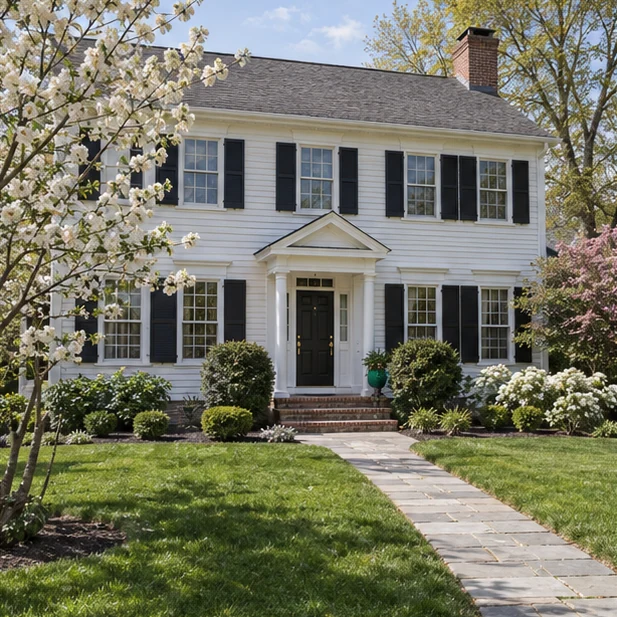
Start with a complete monthly picture
A mortgage payment is only one part of owning a home. Before you tour across Boston and MetroWest, list the costs you already know, the costs that need a property-specific quote, and the costs that may change with the home. That separation helps you compare a condo in Boston with a house in Natick or Framingham without assuming their ongoing expenses work the same way.
Begin with the estimate from your lender, then add taxes, insurance, utilities, association fees when applicable, and a maintenance reserve you choose. Keep one-time closing expenses separate from monthly costs. Neither should disappear from your plan simply because a listing page does not show a complete total.
Separate confirmed costs from open questions
Make a worksheet with three columns: amount and source, whether it is monthly or one-time, and what still needs verification. A number from a current bill is different from a rough estimate. A quote for one address may not apply to the next home you see.
- Financing: Ask your lender to explain the estimate, including which charges are included and which are not.
- Property taxes: Review the current bill and confirm how the municipality assesses and bills the specific property. Do not treat a listing estimate as a guarantee of a future bill.
- Insurance: Request a quote using the address and property details. Coverage and price depend on the home and the insurer's review.
- Utilities: Ask which services the property uses and look for available bills or provider estimates. Heating fuel, insulation, occupancy, and personal habits can all affect use.
- Condo or association costs: Read the current budget, fee schedule, and governing documents with the right professional. Confirm what the monthly charge covers and what may be billed separately.
Let the address change the checklist
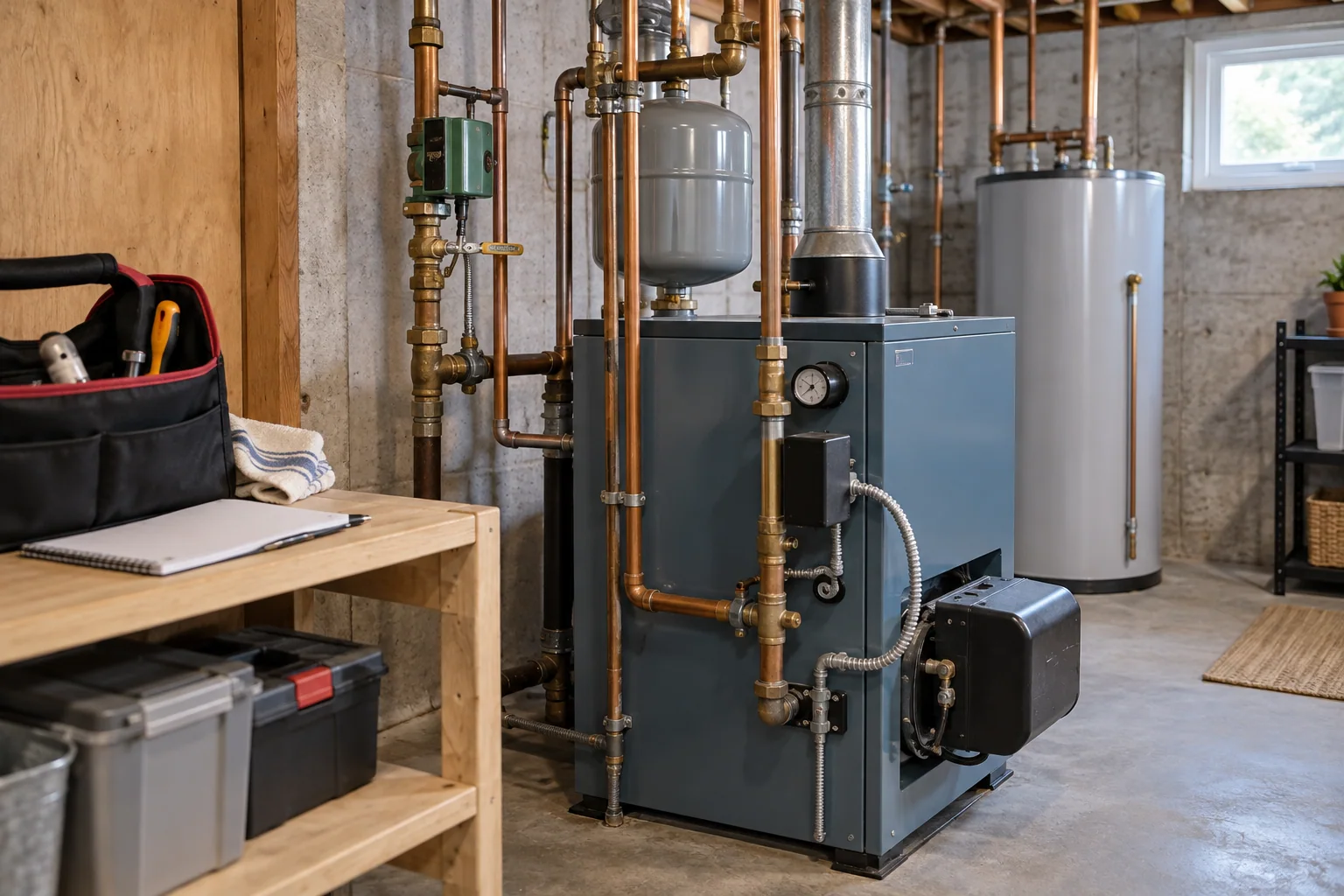
Two homes in the same town can have different operating costs. An older property may have equipment or maintenance needs that deserve closer review; a recently renovated room does not establish the condition of the systems behind it. Ask what serves the home, how old major equipment is, what records are available, and which questions belong with a qualified inspector or contractor.
For a condo, compare the unit's monthly obligations with the building's shared costs and documents. For a single-family home, look at the roof, heating, water, wastewater, drainage, and exterior upkeep as address-specific questions. A property that appears to need fewer immediate projects is not automatically cheaper over time; use records and professional review rather than appearance alone.
Compare homes with one repeatable method
Use the same worksheet after every showing. Put verified amounts in one color, estimates in another, and unknowns in a third. Then compare each home on the total you can currently support, the unknowns that could change it, and the timing for getting better answers. The budget tool on this page only adds the numbers you enter; it does not supply market averages or predict a future bill.
Try a second scenario for costs that may vary, such as utilities or a project you expect to take on. If changing one estimate makes the plan uncomfortable, pause and confirm it before treating the home as affordable. A lender can explain financing; an insurance professional, town office, inspector, or contractor can answer other questions within their area.
Build a short list of people and documents
Before an offer deadline, know who can confirm each open item. Depending on the property, you may need the lender's updated estimate, an insurance quote, a current tax bill, condo documents, utility information, inspection findings, or an estimate from a qualified trade professional. The appropriate documents differ by home, so there is no single universal cost sheet.
Rita can help you organize the local property questions and compare what is available across Boston and MetroWest. She is not a substitute for a lender, tax professional, attorney, inspector, or insurance adviser. Bring your budget range, timing, and unanswered questions to a conversation with Rita, and review her local experience and services as you decide what kind of support you need.
Make the next step specific
For each home, write down the amount, its source, the person who can confirm it, and the date you need an answer. This turns “What will this house cost?” into a manageable set of questions. Keep assumptions visible, update the sheet when a professional provides better information, and do not let a broad regional estimate stand in for facts about a specific property.