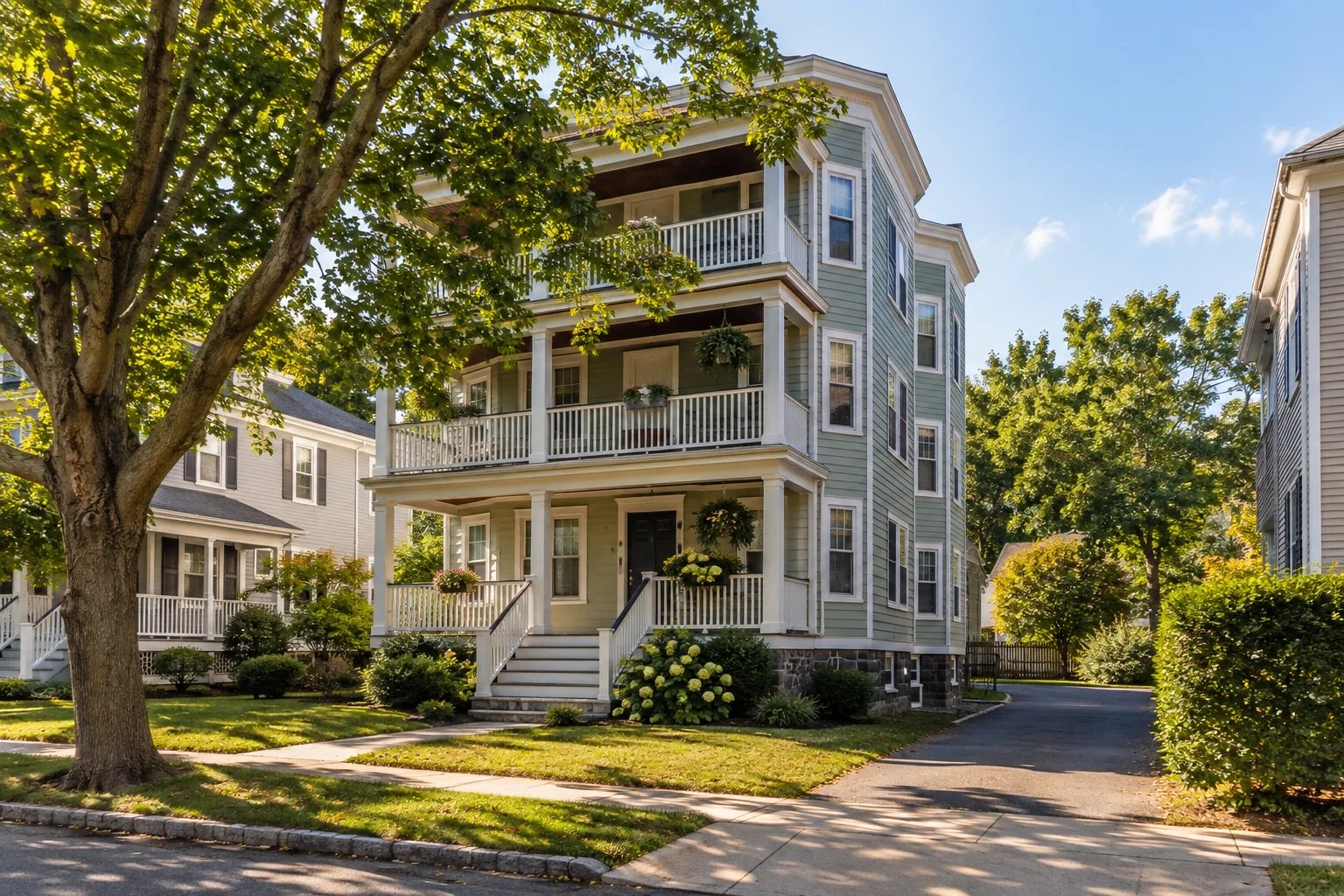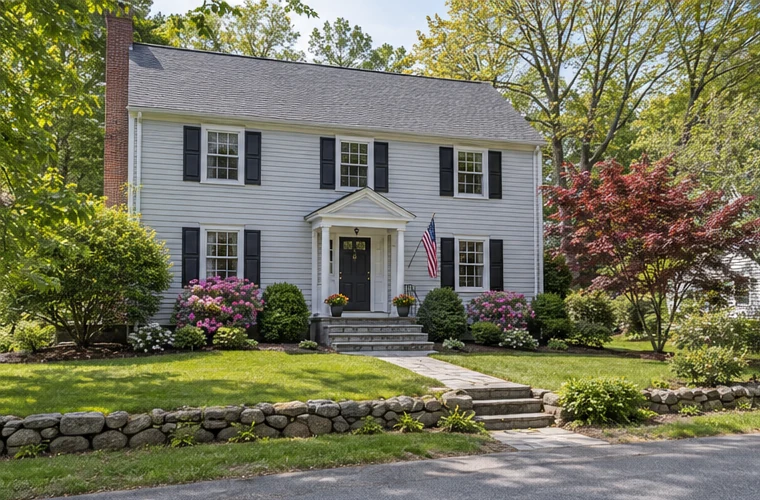
Start with two real properties
Holliston and Sherborn may both appear in a MetroWest search, but a community name cannot describe a particular home's condition, monthly costs, layout, or upkeep. Choose specific listings that appear to meet your requirements and compare them on the same questions. If you have not found a suitable home in one town yet, keep that side open rather than inventing an average property.
Write down your non-negotiables, preferred home type, monthly comfort range, and timing. If you need flexibility around a commute or a home layout, be explicit about it. A clear brief helps you recognize when one property deserves a tour and when a listing simply has an attractive photograph. Rita can help organize a local shortlist around actual homes and the questions you want to resolve.
Use one property worksheet
Create the same rows for each address: layout, storage, parking, outdoor responsibilities, access, condition, records, current tax information, insurance, utilities, association costs if applicable, and travel. Keep asking price separate from recurring ownership costs. Mark each fact as observed, stated in the listing, documented, estimated, or still unknown. That small distinction prevents a guess from quietly becoming a comparison point.
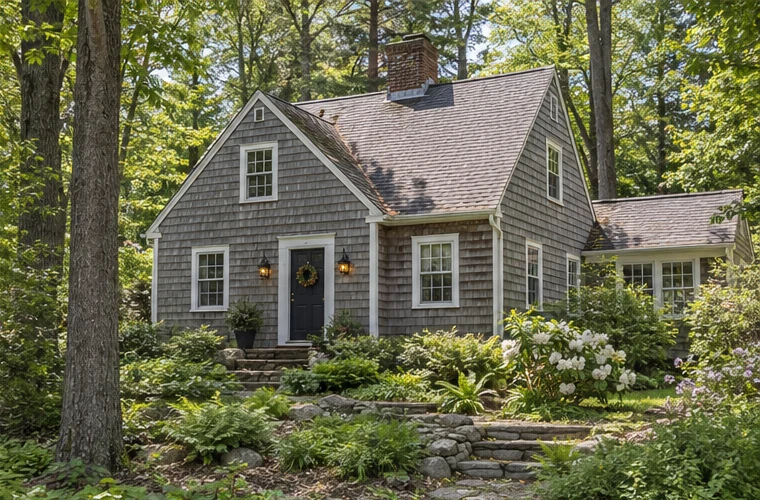
Home types bring different obligations. An association may involve shared maintenance and documents; a detached home can shift more routine care to the owner; a multi-family property may have units, leases, and systems to review. Read the actual records and ask the appropriate professional about unfamiliar terms. Do not assume that a similarly named home type has the same rules at each address.
Compare the weekly routine
List the places you genuinely travel to and test the route from each home at the times that matter. Check current transit schedules, access to the station, parking, transfers, and walking connections. For a driving trip, consider the full route rather than distance alone. Visit again at another time if traffic, lighting, noise, or access could change how the property works for you.
Do not treat a map estimate as a guarantee or use another household's routine as your own. Compare the same destinations and time windows for both listings. Include errands, family commitments, and the places you actually plan to use, not just a single work trip. This makes the comparison personal without turning either town into a generalized ranking.
Review the land and documents
During a showing, notice slopes, drainage, shared access, outdoor structures, and maintenance features. These observations help you form questions but do not establish boundaries, legal rights, or how the site behaves in every season. If an easement, driveway, septic system, private well, or boundary could affect your use, record the issue and ask which town records or professional review apply.

Keep plans, invoices, service histories, permits, and inspection findings in separate files for each property. A document may describe one part of a project without answering every condition question. Ask your inspector, attorney, surveyor, lender, or another specialist within their scope. If an answer could change your decision, find out what information they need and how long the review may take.
Score the trade-offs that matter to you
Use the comparison tool below to rate two specific homes. You control the categories and scores, so they reflect your own priorities rather than market research. Leave a rating blank when you lack information. The tool does not declare Holliston or Sherborn better, estimate home values, or predict future costs. It is a way to see which property deserves another question or visit.
After reviewing the result, choose one next action: request a document, confirm a current route, schedule an inspection, or discuss financing with your lender. Share your Holliston and Sherborn shortlist with Rita when you are ready to talk about the local search. A useful comparison ends with a verified next step, not a universal verdict about a town.