Set a purpose before you arrive
A first home tour can make the search feel real, but it does not need to answer every question in one visit. Before you go, read the listing details, note what you still need to verify, and choose the three features that matter most to your daily routine. If you are comparing Natick, Wellesley, Framingham, or Boston, keep the same priorities on each tour so one polished room does not change your criteria.
Confirm the showing time and access instructions with the agent arranging the visit. Ask whether photography is permitted before taking pictures, and avoid opening personal storage or entering restricted areas. Bring a phone or notebook, the listing address, and any questions you already want to ask.
Use the same notes for every property
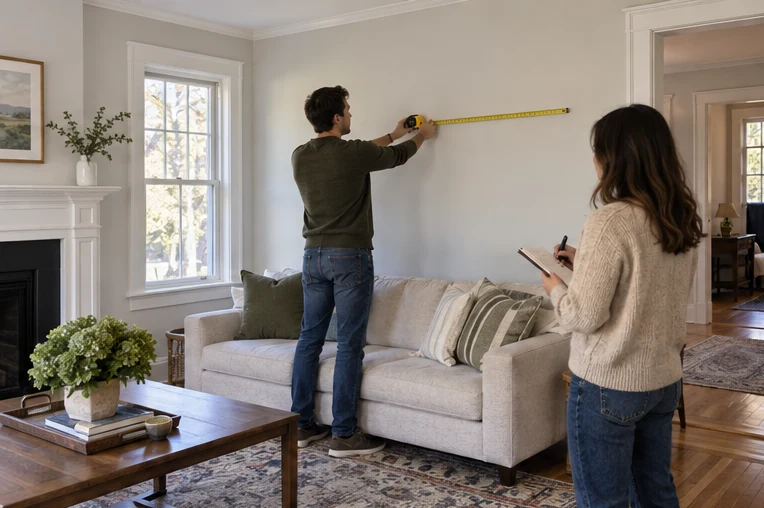
Create a simple record with the address, date, what you observed, what the listing states, and what remains unknown. Keep those categories separate. A seller's description, a quick visual impression, and a document verified by a professional are not the same kind of evidence.
After each visit, score only the categories that matter to you: layout, light, storage, condition, location, likely upkeep, and fit with your budget. Leave a question open when you do not know the answer. The interactive checklist on this page can help you mark the questions you have already reviewed; it does not evaluate or rank the home.
Notice how the rooms connect
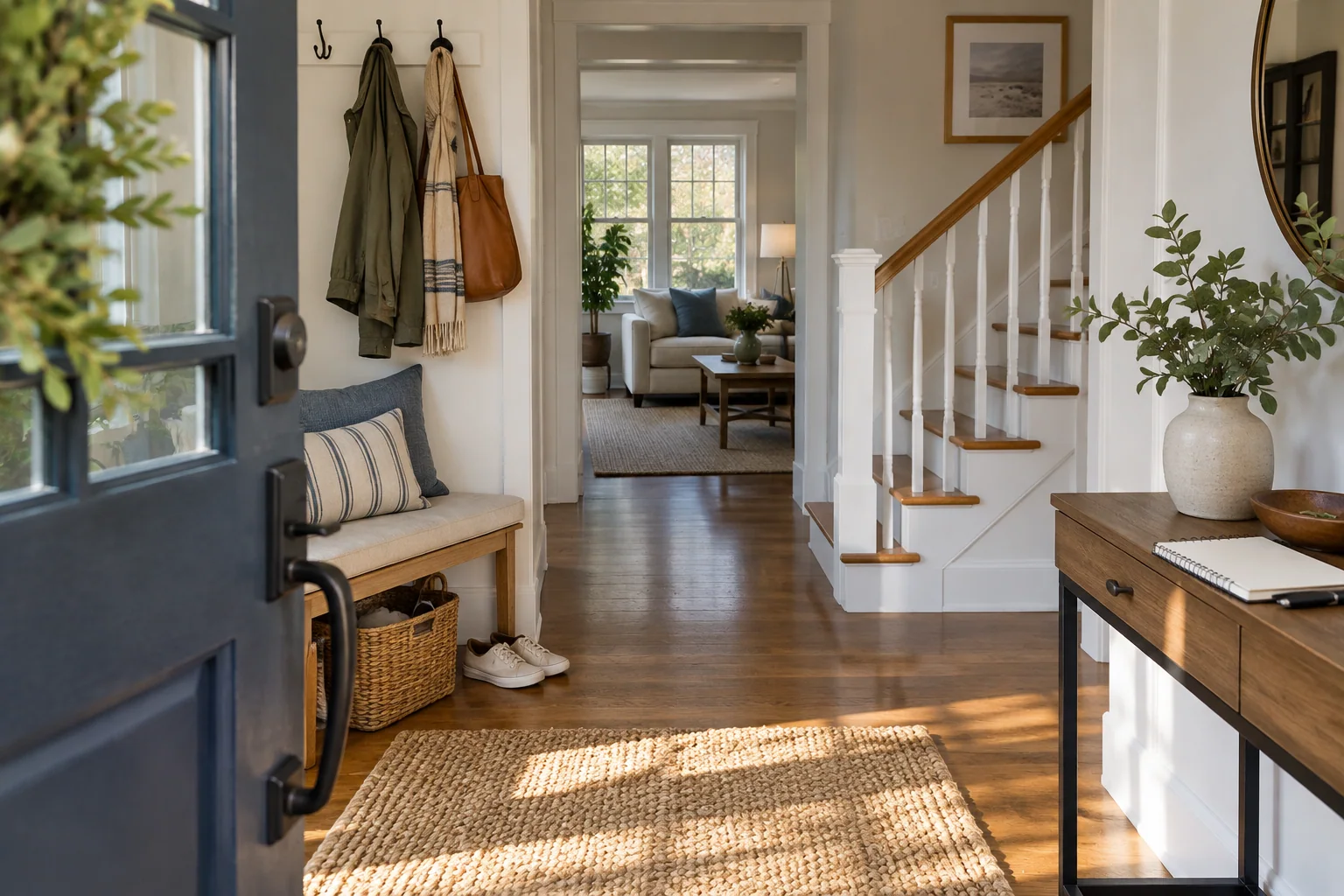
Walk through the home in a consistent order. Check whether the entry, kitchen, living spaces, bedrooms, work area, and storage support the way you expect to use them. Notice door swings, stairs, closet access, room proportions, and how you would move everyday items through the house. If a room's use is unclear, ask rather than assuming a temporary arrangement reflects its only practical purpose.
Look for visible maintenance questions without trying to diagnose them. Record stains, unusual odors, uneven finishes, or equipment labels that you want a qualified inspector or contractor to review. A showing is brief and cannot establish the condition of concealed systems. Ask what records are available for renovations, heating, roof work, electrical updates, water, wastewater, and other features relevant to that particular home.

Step outside and check the approach
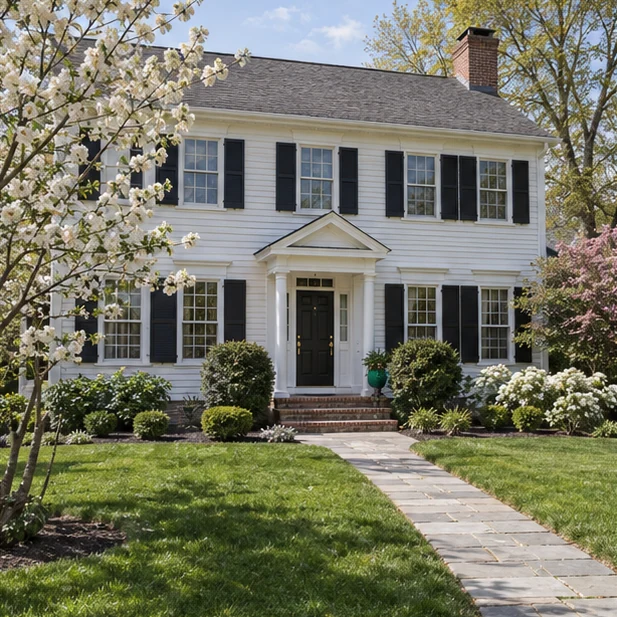
From areas you are allowed to visit, note drainage paths, slope, retaining features, trees near the home, exterior upkeep, shared spaces, and parking. Do not cross fences or assume a visible path marks a legal boundary. If access, easements, lot lines, or shared driveways matter to your plans, list the question for a surveyor, attorney, town office, or other qualified source.
Think about the route to places you visit regularly. If a commute, transit stop, parking arrangement, or local service is important, confirm it independently and test the trip at a representative time. A showing does not establish year-round travel conditions or guarantee that a service will remain unchanged.
Debrief while the details are fresh
After leaving, capture what felt workable, what did not, and which answers could change your opinion. Write down the source for each claim and the person who can verify it. Do not let the same question blur across several homes; attach it to the correct address and listing.
For a question about financing, ask your lender. For property condition, consult an inspector or appropriate trade professional. Town records, condo documents, insurance, legal matters, and tax questions may require different sources. Rita can help you organize the local search and the next property questions, but a tour is not professional due diligence.
If you are beginning a search in Greater Boston or MetroWest, talk with Rita about your first tours. Bring your timing, preferred towns, budget range, and notes from any listings you have seen. You can also learn about Rita's local real-estate services as you decide what support would be useful.