Keep every observation tied to one property
A useful Holliston search is more than a sequence of pleasant showings. Each property has its own layout, site conditions, service history, and available records. Bring a consistent checklist, but leave room to capture what is unique about the address. Avoid turning a first impression into a conclusion about the home's structure, systems, or future cost.
Write the address and tour date at the top of every page. Divide notes into four columns: observed, stated by the listing or seller, document to request, and question for a professional. For example, “sloped yard behind the garage” is an observation; whether the grading affects drainage is a question to assess. This language keeps later comparisons accurate.
Walk the layout before focusing on finishes
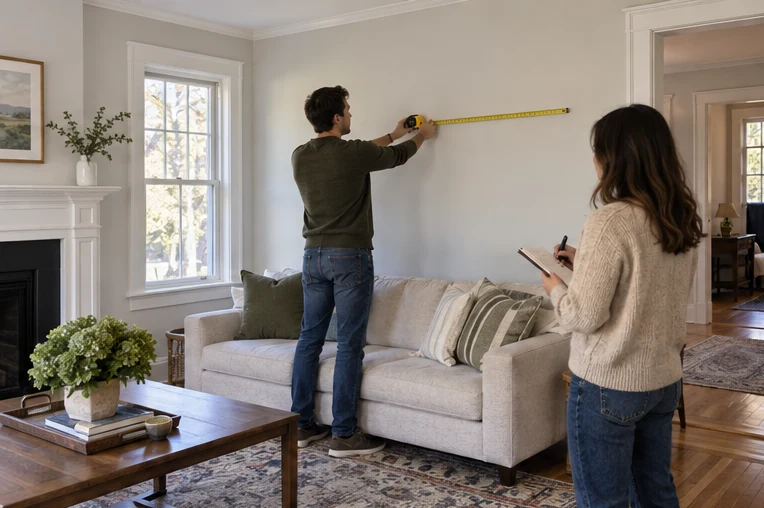
Notice how the entry connects to the main rooms, where everyday storage is located, and how people move between floors. Record room dimensions if they affect furniture or work needs, and check whether doors, stairs, and hallways support your routine. A fresh coat of paint can be appealing without answering whether the room arrangement works for you.
Ask which areas were updated and what records are available. If an addition, finished room, deck, or other improvement matters to your decision, confirm its history through appropriate town records and professional review. A visual impression or assessor entry may not answer every question about permits, use, or present condition.
Review the lot and visible site details
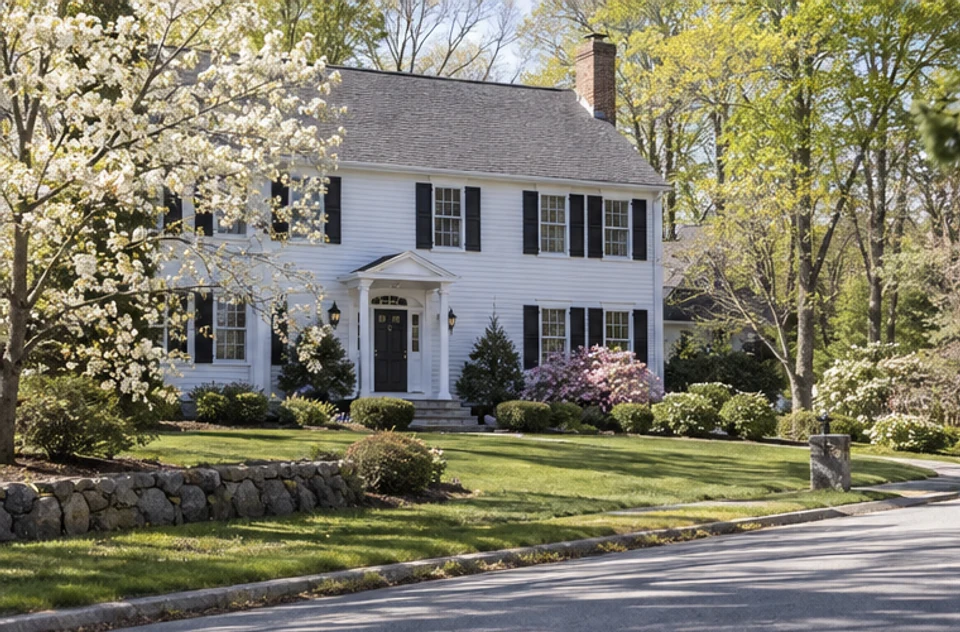
Look at the relationship between the house, driveway, yard, trees, retaining features, and neighboring property. Note standing water, visible grading changes, shared access, fences, and areas that might need a survey or specialist's attention. A tour is not a substitute for a boundary survey or drainage assessment. Write down what you saw and ask who can verify it.
If the property has a septic system, private well, shared drive, easement, or other feature that requires separate review, identify the applicable records and qualified professionals early. Massachusetts has specific information for buyers dealing with a septic system and Title 5; start with the state's official septic-system guide. Do not assume that a report for one address or time period answers a different question.

Ask about the systems and their records
Make a list of heating, hot water, electrical, plumbing, roof, windows, and other major components. Ask what is known about age, service, and documentation, while keeping unverified estimates clearly labeled. Have a qualified inspector evaluate the home within the agreed process. If an issue needs a specialty contractor, ask which scope is appropriate instead of relying on a general impression.
During the tour, you can notice whether equipment is accessible and whether a record is mentioned. Do not open equipment or attempt a test beyond what is safe and permitted. If you see staining, a patched surface, or an unusual sound, make a note and ask the right professional. One sign alone rarely tells the whole history.
Check the route and the day around it
Pick a normal weekday and travel to the destinations that matter from the actual address. Check transit where relevant, parking, and the drive at more than one time. Test the route yourself if possible and confirm schedules with the operator. Then consider how the property's entry, parking, storage, and yard fit the practical parts of the week, including grocery stops or carrying items inside.
Do not let a single open-house visit stand in for a routine. If an address remains interesting, revisit the surrounding streets at another time and separate your impressions from verifiable facts. The home and location should be assessed together, but the property's records still need their own review.
Turn the checklist into a decision
After each tour, mark every question as answered, still open, or not important to your decision. Compare the same categories across homes and revisit your budget with your lender before advancing. Ask your attorney about legal records and offer terms, and your inspector or specialist about condition. The checklist below lets you mark which follow-up conversations are ready for your next step.
Talk with Rita about a Holliston home search and share your timing, price range, property needs, and outstanding questions. Rita can help organize a local search; only property-specific documentation and the appropriate professionals can resolve technical or legal matters. Keep your notes factual so the decision reflects what you know, not what you hope a feature means.