Give every Holliston tour the same structure
Before you visit, write down the home features that matter most and the questions that could change your decision. Take one note sheet for the address and date. Separate what you see, what the listing or seller says, and what remains unverified. This keeps the description of one property from blending into another after several showings.
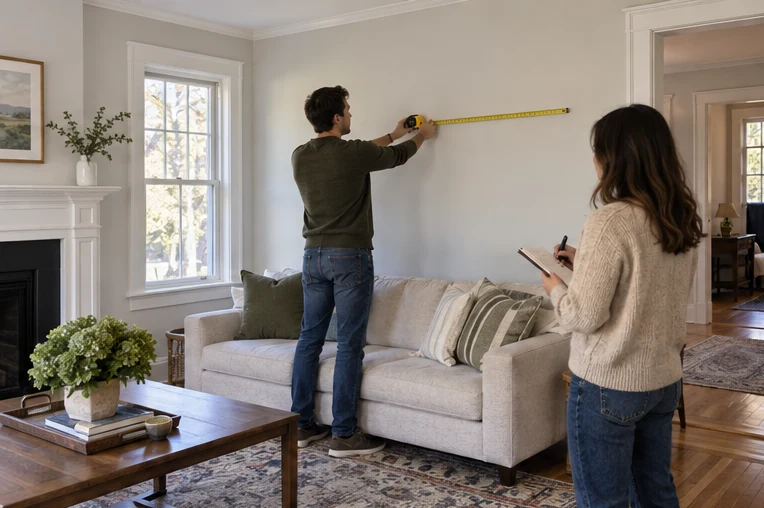
Start with the route through the house: entry, rooms, storage, stairs, work space, and how the layout supports your day. Note areas that feel unclear or are not accessible. Ask where appliances, parking, storage, and other included items are documented. Do not treat a staged room or photo as evidence of dimensions, permits, or system condition.
Walk the accessible property areas carefully
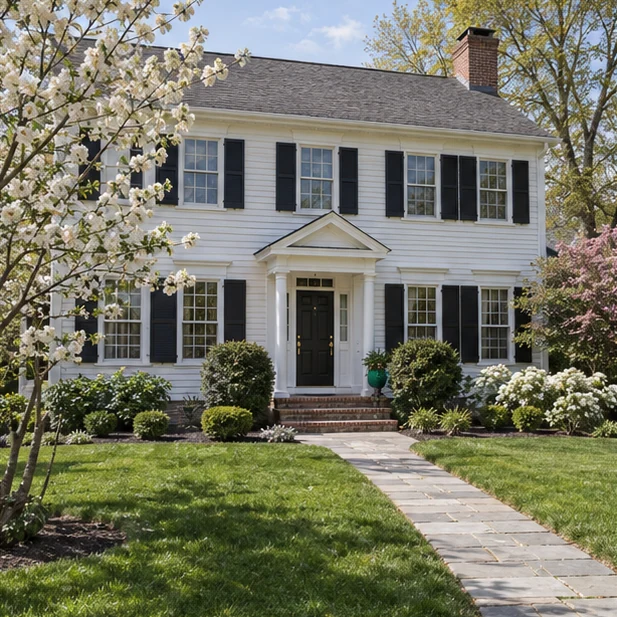
From a permitted and safe route, observe the driveway, visible grading, drainage features, outdoor areas, trees, retaining structures, and access points. Do not cross into a restricted area or assume where the boundary lies. If a lot feature affects a plan you have, ask whether a surveyor, town record, conservation office, engineer, or other specialist should review it.
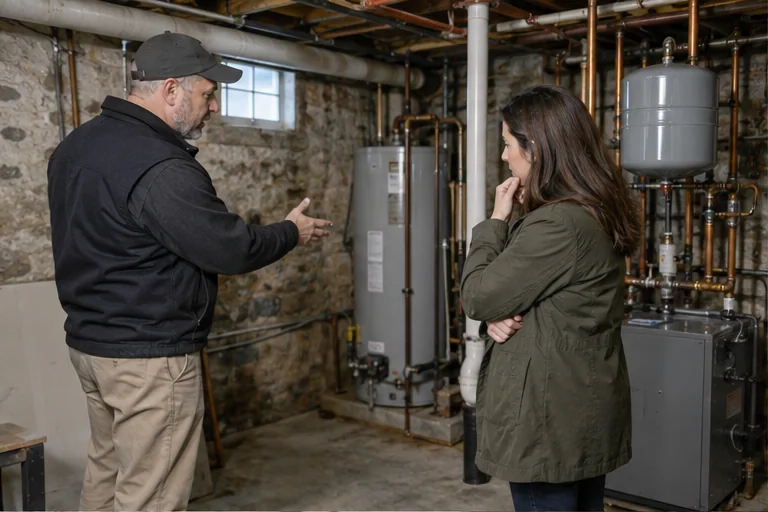
Property types and utility setups vary by address. Ask what serves the home for water, wastewater, heat, and other major services, and request available service records, permits, plans, and warranties. If the property uses a private well or septic system, consult the relevant Massachusetts well-testing guidance or Title 5 homebuyer guide and ask the local Board of Health what applies.
Match each open question to a person
A licensed home inspector evaluates accessible components and can explain which features fall outside the standard inspection. A surveyor can address boundary and measurement questions. A contractor or engineer reviews their technical area; a municipal office explains its records; and your Massachusetts attorney interprets contract documents and deadlines. Ask for help early enough that you can understand the answer before a written decision point.
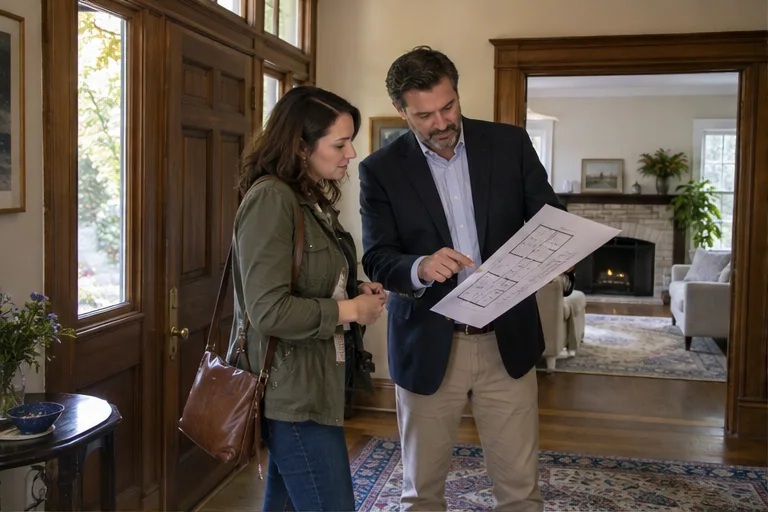
If a feature has been renovated, request the permit or project records available and compare them with the home's present layout. If records are missing, keep that fact visible and ask how to follow up. A public portal or listing history can help you locate questions, but it does not confirm every condition or resolve every property issue.
If you compare a condo, townhouse, or multi-family property with a detached home, add the obligations that come with each arrangement. Request the association's governing information where relevant, ask which services or systems are shared, and make clear which unit, storage area, or parking space is included. For a detached property, identify outdoor maintenance and equipment that remain with the owner. Documents and a qualified review are more reliable than assumptions based on a floor plan or exterior view.
Compare after you leave
After the tour, write one reason the house fits, one trade-off, and the most important unanswered question. Assign each follow-up to a source and note when you need the response. Return to the property only when you have a clear purpose, such as checking a room connection, viewing a system with the inspector, or understanding how a route fits your routine.
If you compare a condo, townhouse, or multi-family property with a detached home, add the obligations that come with each arrangement. Request association information where relevant, ask which services or systems are shared, and confirm which storage or parking areas are included. For a detached property, identify outdoor maintenance and equipment that remain with the owner. Documents and a qualified review are more reliable than assumptions based on a floor plan or exterior view.
The field notes below help you organize the next conversation; they do not score a home or recommend an offer. For a Holliston search, share your priorities and timing with Rita, and review her local work in Boston and MetroWest.