Start with the address, not a broad label
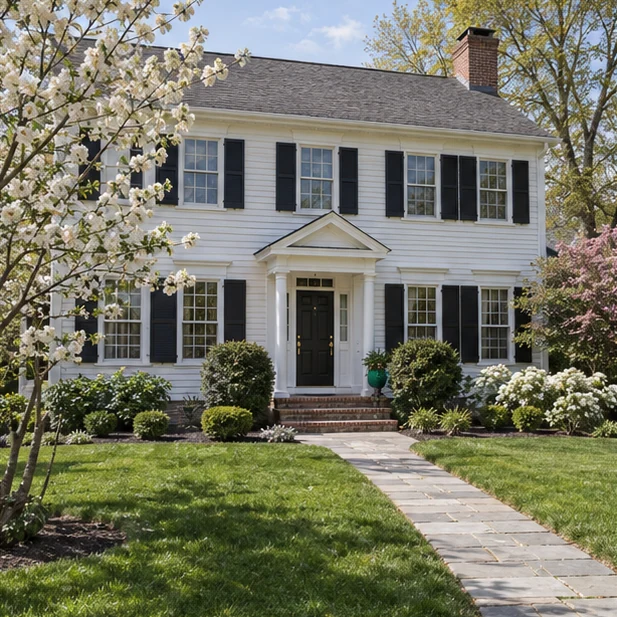
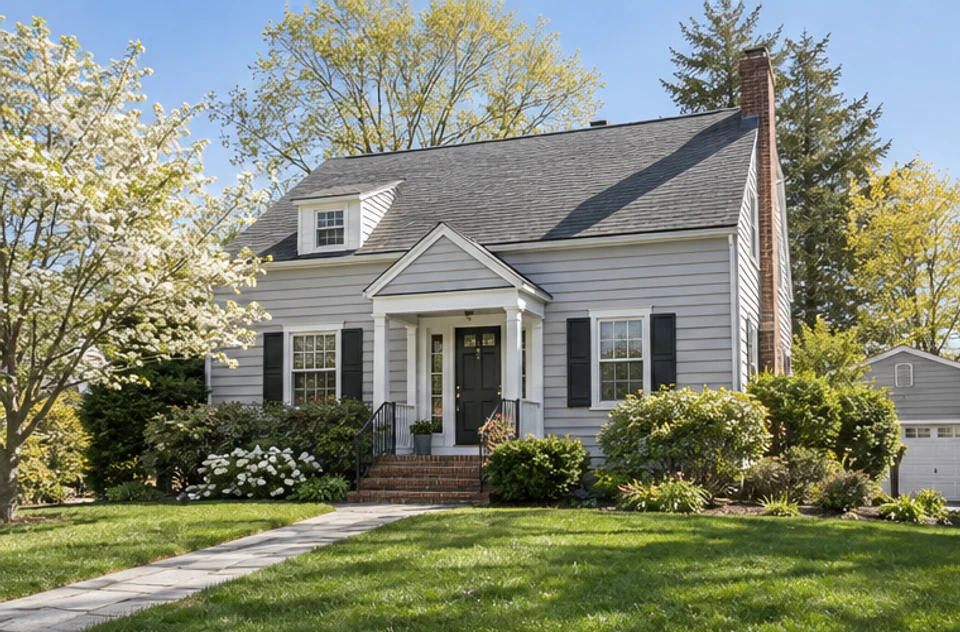
Framingham offers buyers different property forms and settings to evaluate. A condominium, detached house, and multi-family building are not interchangeable just because each appears in the same search. The right comparison begins with a specific address, the records available for that property, and how its location fits the places you need to reach.
Write down your weekly destinations before the first tour: work, appointments, family commitments, and regular errands. For each home, check the route at the times you would actually travel. The MBTA trip planner can help you review transit options; confirm schedules and service directly because routes and timetables change. For driving, test more than one departure time rather than relying on a single map estimate.
Compare what ownership asks of you
For a condominium, ask which areas and systems are shared, what documents explain the association, and what recurring charges apply. Review the rules, budget information, meeting records, insurance details, and any planned work with the right professionals. A listing summary does not establish the association's financial health or the condition of a building system.
For a detached home, understand the roof, heating, electrical, plumbing, drainage, and other systems for that address. Ask which records are available and whether a qualified inspection is appropriate. Outdoor space may offer flexibility and also carries maintenance responsibilities; ask about boundaries, drainage, trees, and any features that affect your plans.
A multi-family property adds questions about unit layout, occupancy, leases, utility arrangements, permitted use, common areas, and maintenance. Keep facts about each unit separate. Ask your attorney and other qualified professionals to review the documents and obligations. Do not assume that rent, a bedroom count, or a current setup will continue unchanged.

Make a property-by-property tour sheet
Use one page for every address and keep observations separate from claims in the listing. Note the date, room layout, visible condition, storage, parking arrangement, and the detail you want to verify. Add a route note for each regular destination. If an answer is unknown, write down who could answer it rather than filling the gap with a guess.
After two or three showings, compare the pages side by side. Which layout solves the problem you described? Which home raises the most unanswered questions? Which route remains workable at the times you travel? This is more useful than trying to rank whole neighborhoods from a short visit.
Use the search to test your priorities
Choose a small number of must-haves and a separate list of preferences. A home that meets every preference may still bring a system, document, or commute question that matters. A property with fewer cosmetic features may have a layout that fits your plan better. Keep the comparison tied to the home and your circumstances rather than assuming that a particular property type is best for every buyer.
Before writing an offer, review your financing with your lender and discuss the actual property, records, and offer terms with your real estate professional and Massachusetts attorney. A buyer may need an inspector, surveyor, insurance agent, or town department to answer specific questions. Clarify timing early so the right person can respond within the applicable deadlines.
Build a useful next step
If you are comparing homes in Framingham, put your price range, preferred property types, and weekly route constraints into one short brief. Talk with Rita about a Framingham search, or learn more about her work in Boston and MetroWest. A focused conversation can help organize tours; the records and qualified advisors determine what is true of each property.
Use the scorecard below to compare two homes against your own notes. The ratings belong to you, are not market data, and should prompt questions rather than replace document review. When a factor is still unknown, leave it unrated until you have a reliable answer.