Begin with one home and your own requirements
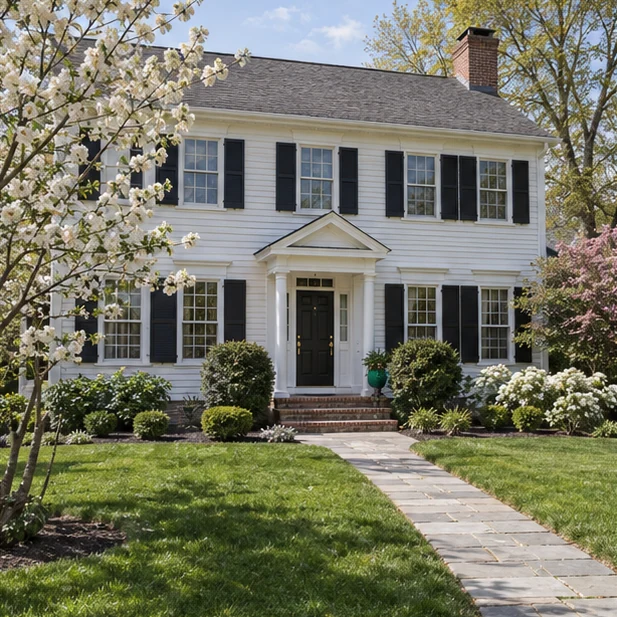
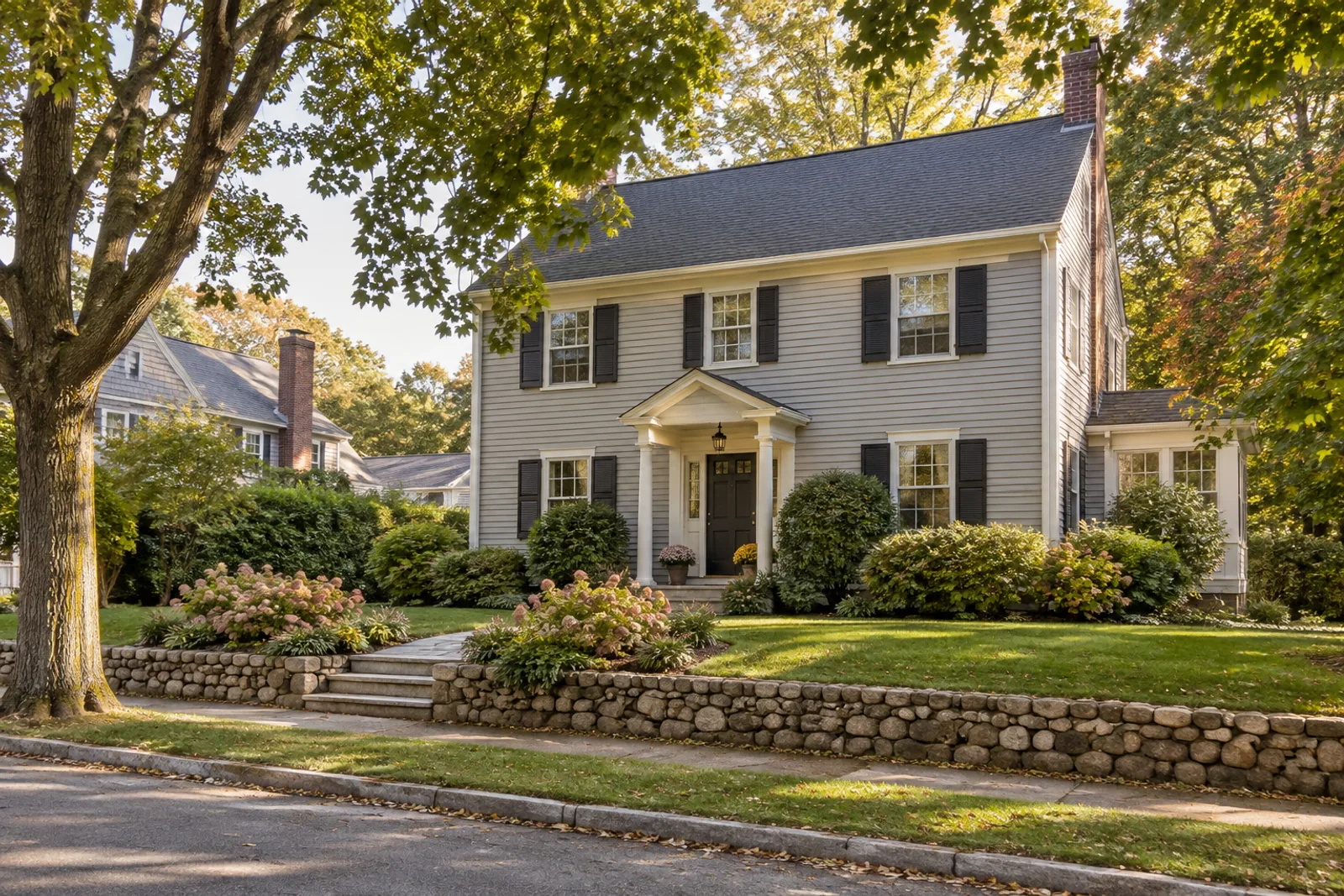
Wellesley is not a single floor plan or daily routine. A listing should be assessed as an individual property: room arrangement, condition, access, storage, parking, outdoor responsibilities, and the way you expect to use the space. Before a tour, identify what is essential and what is flexible. If you are considering several home types, note the added questions that come with an association, a larger lot, or a multi-family layout.
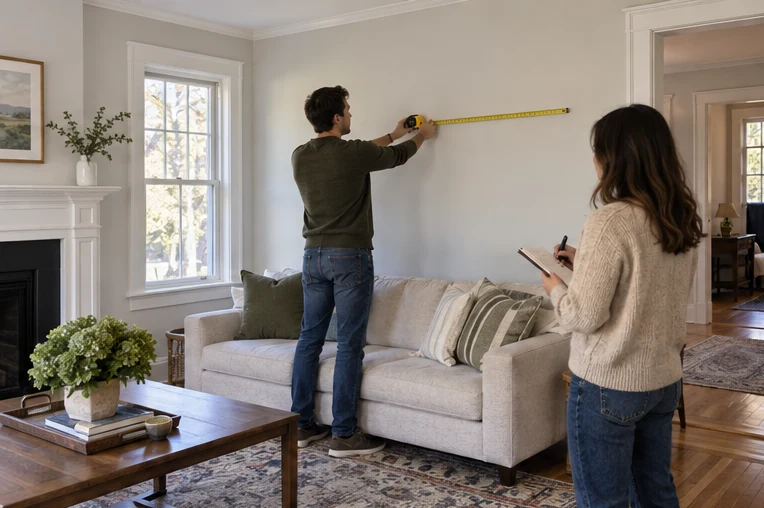
Write down the reasons behind each requirement. A need for a main-level bedroom, a work area, or a predictable route can matter more than a decorative feature. Keep this short enough to use during a showing, then update it when a real property teaches you something. Rita's Boston and MetroWest services include local buyer conversations if you want help organizing the search.
Verify the costs for the address
Discuss financing assumptions with your lender, then collect the property's current tax information, insurance quote, utility details, association documents, and maintenance records as applicable. Do not assume assessed value, asking price, or a nearby home's tax bill represents the future cost of ownership for this address. Keep lender estimates separate from figures that have been verified by the town, insurer, association, or provider.
Wellesley's Assessor's Office maintains property characteristics and assessment information. A tax record can help you investigate; it does not establish the full cost of ownership or predict a later bill. Confirm the relevant year, parcel, exemptions, and any questions directly with the town or your tax professional.
Ask what the records say about the home
For an addition, finished space, or major renovation, ask for plans, permit history, inspections, invoices, and warranties where available. The Town of Wellesley's Building Department handles construction and related inspections, and its building code and application page explains that permit requirements vary by project. Contact the town about a specific property; the existence of a permit record does not certify all workmanship or establish that every detail is compliant.
During the visit, distinguish visible condition from documented history. Note heating and cooling type, roof questions, basement observations, drainage, windows, and signs of prior work. Ask a qualified inspector what can be evaluated and whether another professional should follow up. If the home has a private well, septic system, shared drive, or unusual boundary, use the appropriate records and specialist rather than assuming the standard checklist covers everything.
Test access and the routine you expect to live
Write down your real destinations and test routes from the address at the hours that matter. Check the current transit schedule, walking distance to your chosen stop, parking, transfers, and seasonal alternatives. If you drive, test the actual trip rather than estimating it from a straight-line map. Visit the area at another time if street activity, lighting, noise, or access affects your routine.
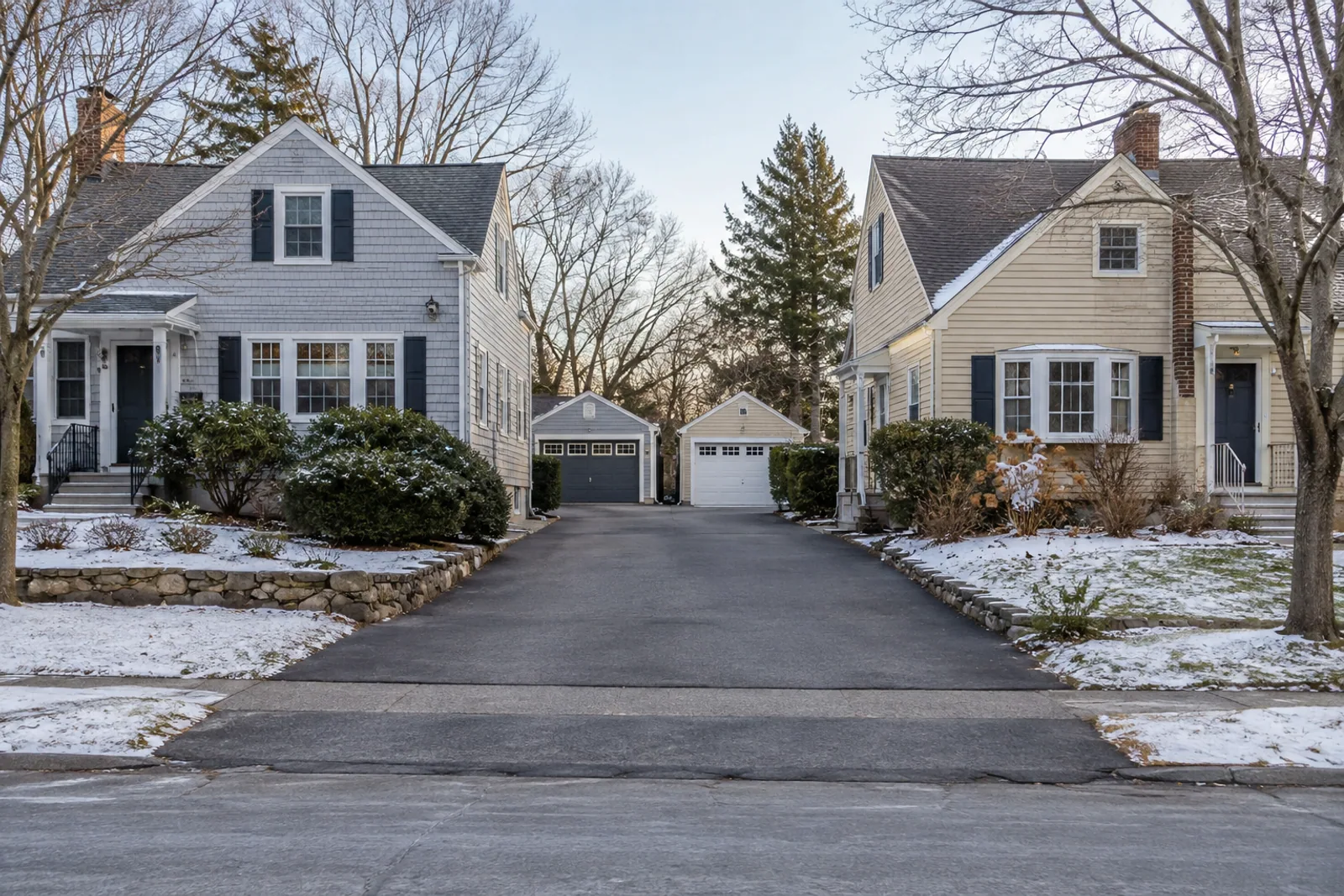
Notice how the property is entered and what appears shared. A common path or driveway raises questions about recorded rights, maintenance, snow clearing, and repairs; visual appearance alone does not answer them. Ask your attorney about legal documents and a surveyor about boundary questions. Use the same checklist for each Wellesley address so a polished photo does not replace the practical review.
Decide what would change your next step
After the tour, compare the home against your budget, layout needs, records, and route. Mark each point as confirmed, estimated, or open. If an unresolved issue could change your comfort, cost, or intended use, identify the person who can answer it and what record or visit is needed. The comparison tool below is for your own notes, not a ranking of Wellesley or a forecast about value.
Some buyers need another showing; others need a lender estimate, permit record, inspection, or attorney review. Share your Wellesley shortlist with Rita when you are ready to talk through local next steps. A deliberate follow-up is more useful than guessing based on a town label or a single impression.