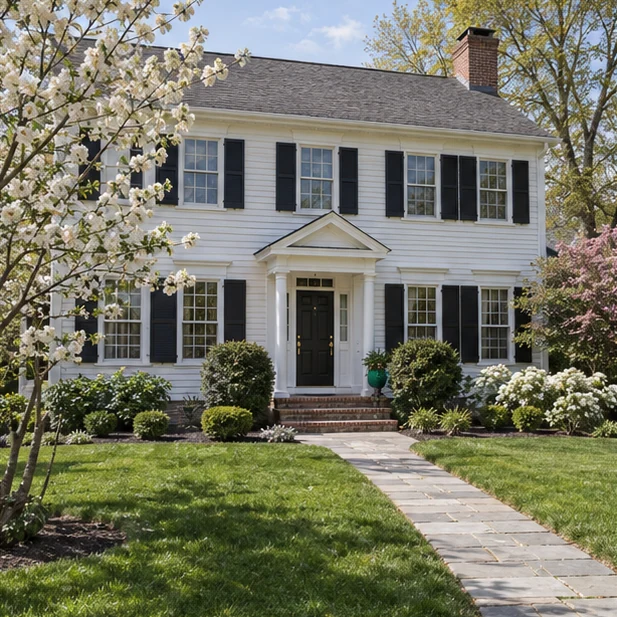
Treat the lot as part of the property review
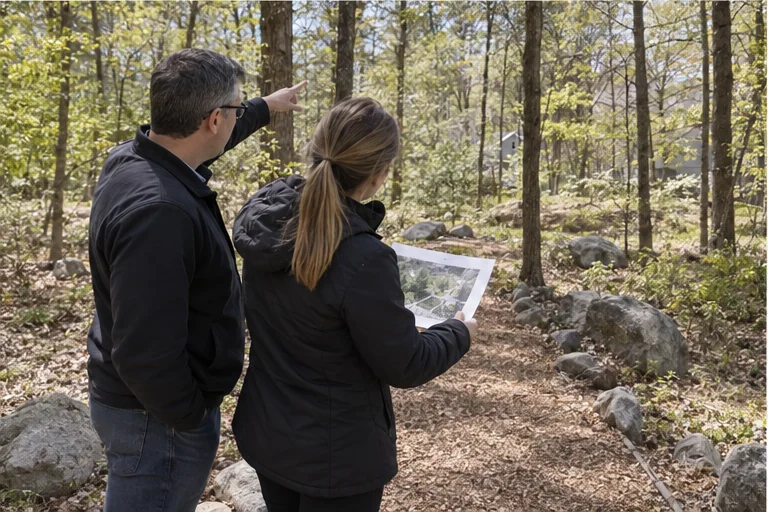
When you tour a Sudbury home, look at how the house, driveway, yard, trees, drainage, and access fit together. Note areas you could not see and features you want to verify, but do not treat a visual impression as a boundary, wetlands, soil, or drainage determination. If a planned use depends on the lot, ask which survey, municipal record, or qualified professional can address it.
Write down what you hope to do with the property. A garden, addition, parking change, play area, or work space may create different questions about placement, permits, access, and maintenance. Ask the town department and qualified advisers what applies to the specific parcel before you assume a project is allowed or practical.
On a return visit, trace only the accessible routes you can safely use and note what you want clarified about grading, shared access, outbuildings, or tree care. Ask whether a survey, drainage assessment, zoning question, or conservation review belongs in the follow-up. Take care not to cross a boundary or enter a restricted area without permission. A simple site sketch is useful for organizing questions but does not replace an official plan or a professional evaluation.
Review the house and its systems address by address
Ask what serves the home for water and wastewater, heating and cooling, electrical service, and other major utilities. Request available records for repairs, improvements, permits, warranties, and service. Homes in the same town can have different systems and histories, so keep each answer attached to the address it describes.
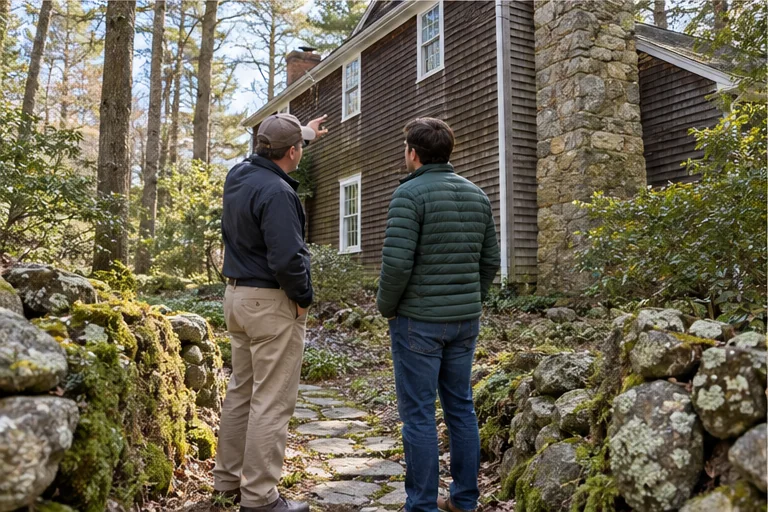
During a tour, note visible maintenance questions, signs of water, the condition of rooms, and equipment you could not access. Do not operate equipment or enter unsafe areas to investigate. Ask a licensed home inspector to evaluate accessible components and recommend a specialized review if the property's age, layout, or features raise additional questions.
If a home has a septic system or private well, add the applicable state and local guidance to your review. The Massachusetts Title 5 buyer and seller guide and private-well testing guidance are useful starting points; the local Board of Health and qualified professionals can explain what applies to the address.
Keep records and statements in separate columns
Use three headings in your notes: observed, stated, and verified. A listing statement is not a permit record, an old inspection is not necessarily a current one, and a visual tour does not establish lot boundaries. Ask for the source, date, and scope of each document. If the seller does not know a detail, mark it as open rather than treating silence as confirmation.
Your Massachusetts attorney can advise on contract deadlines and the legal meaning of written documents. Your inspector evaluates condition; a surveyor addresses boundary and measurement work; town staff explain municipal records; and contractors or engineers review their technical areas. These roles overlap in conversation but are not interchangeable.
Make the second visit more useful than the first
Return with the questions that could change your decision. Bring a copy of the floor plan or record you want to compare, revisit areas that were difficult to understand, and ask the agent who can clarify an unanswered item. If commute or access is important, test your actual route at a time that matches your schedule.
Before leaving, sort the remaining items into can verify now, needs a specialist, and depends on a contract or town record. This keeps the next step specific and prevents a minor uncertainty from becoming a vague concern about the whole property. Your attorney and inspector can help you understand which issues need attention before a written deadline.
Use the field notes below to organize questions across the house and lot. For a Sudbury search, talk with Rita about your priorities and open questions; learn about her Boston and MetroWest services as you assemble the right property team.