Start with the home you can afford and maintain
Ask your lender for a comfortable purchase range and a clear explanation of the assumptions behind the estimate. Then consider the ongoing costs and work associated with each Hopkinton property: insurance, utilities, taxes, maintenance, association fees if applicable, and any specialized systems. Verify figures for the address rather than using a general town estimate.
Make a shortlist that reflects your real needs: room count and layout, storage, work space, outdoor areas, parking, and the responsibilities you are willing to take on. Mark what is essential, what is flexible, and what requires more information. That distinction helps you avoid using one memorable feature to overlook an unresolved issue.
Review facts behind the listing
Save the listing and note its date, then request available information about improvements, permits, utilities, systems, included items, and any shared property features. Ask where a stated square footage, renovation date, parking right, or system age came from. Keep the source with the answer and mark what you still cannot verify.
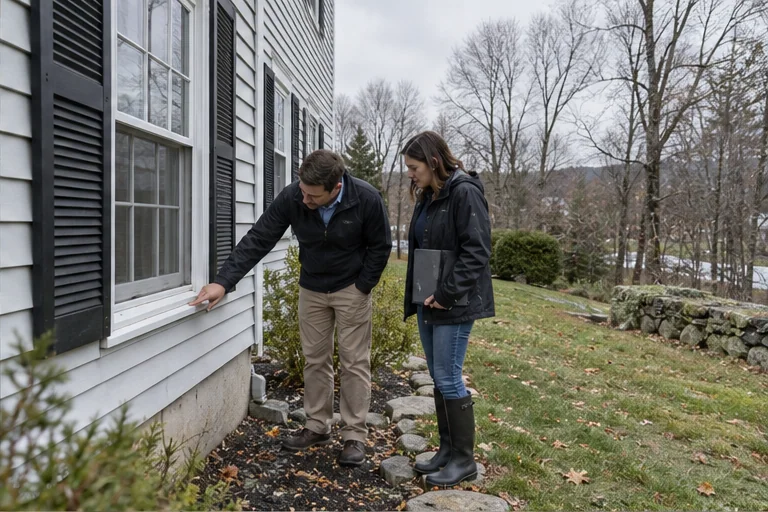
During a showing, record observations without diagnosing them. Note visible stains, doors or windows that do not operate as expected, unfinished work, areas you could not see, or equipment questions. A licensed inspector can evaluate accessible components and explain whether the home needs specialized review. Your tour notes, the listing, the inspection report, and town records all serve different purposes.
If a house has a private well or septic system, ask what reports and maintenance records are available. Use the Massachusetts private-well testing guide and Title 5 buyer and seller guidance as starting points, then confirm local requirements with the Board of Health and your qualified professionals.
Put your daily routes into the comparison
List the trips you make regularly and test the route for each actual address at a time that matches your week. If transit matters, confirm the current service and access directly with the provider. If you drive, consider the time, destination, parking, and other stops you expect to make. A map can help you plan a test; it cannot promise future travel conditions.
Revisit a short-listed home with one question in mind. You might check how a room connects, view the driveway, review a promised document, or bring a qualified professional to assess a system. A second tour is more useful when it resolves a specific uncertainty instead of repeating the first visit.
Know which adviser owns the next answer
Your lender addresses financing, your attorney explains written terms and deadlines, inspectors and contractors evaluate property condition, and municipal staff explain their records. Ask the right person before an unanswered detail becomes part of an offer decision. Keep the communication and supporting document together so your notes remain property-specific.
Before you move a home into the final shortlist, confirm which questions need an answer before an offer and which can wait for a later professional review. Your attorney can explain transaction deadlines, your lender can clarify property or financing conditions, and the inspector can advise on the scope of a property evaluation. Add an owner and a date to each follow-up so an important uncertainty does not disappear beneath a stack of saved listings.
Save the original listing details with the date you reviewed them. If price, status, or included features later change, update your comparison rather than relying on an old screenshot. Ask the agent to reconfirm the home's current availability and material facts before you make a decision; online search results and saved notes can lag behind a live transaction.
Use the interactive checklist below to mark questions you have covered. It does not choose a home or set your offer terms. If you are searching in Hopkinton, talk with Rita about the homes and routes on your shortlist; learn about her Boston and MetroWest services.