Start with an accurate walkthrough
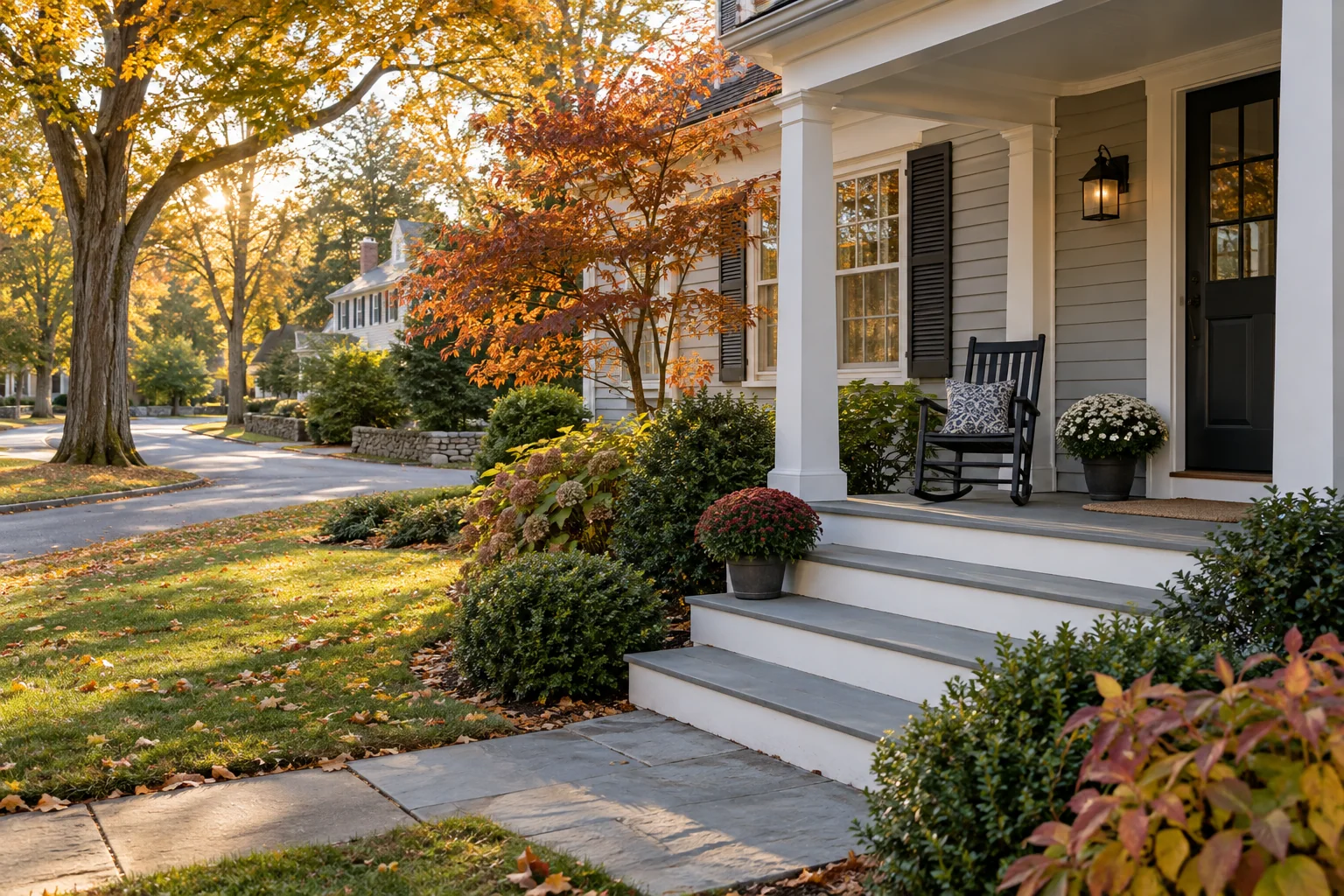
Before photography, walk through the Framingham home with the same route a visitor might take. Note repair questions, unfinished work, blocked paths, storage, light, and any feature that needs a clear explanation. Separate maintenance or safety concerns from presentation choices. Ask the appropriate contractor, inspector, attorney, or municipal office when a detail needs professional or record-based review.
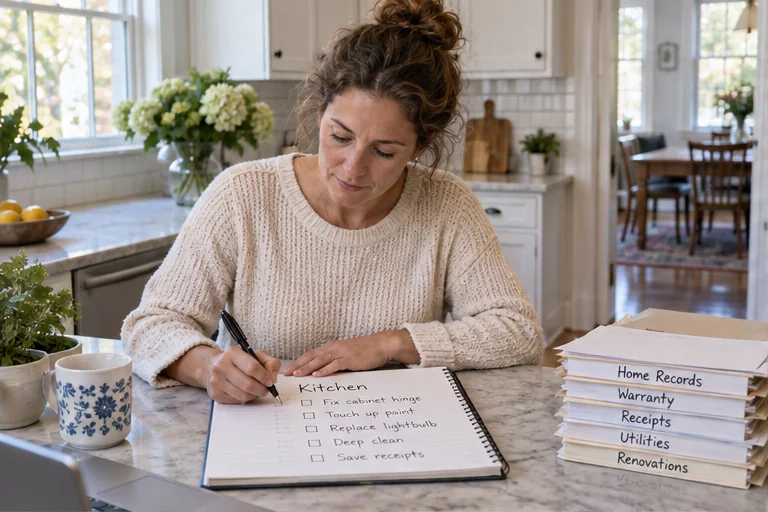
Gather records you already have: permits, receipts, warranties, system service notes, manuals, and dates of known improvements. Put uncertain details on a follow-up list instead of turning an estimate into a factual claim. If the home has a feature that needs additional records, ask where those records are maintained and how to obtain them.
Ask the photographer how the image sequence will represent the way the home is actually experienced. A thoughtful order can help buyers understand circulation, room relationships, and access to outdoor areas without using a lens or edit to imply extra space. Make a list of must-capture features, note rooms that need a quick reset, and agree on how personal photographs or sensitive items will be handled. If an area is unavailable or a repair is still underway, explain that honestly in the listing materials rather than letting one image suggest the whole property is ready.
On the day of the shoot, confirm permission before moving furniture or switching off equipment, and keep a person available to answer questions about what is included. Review the selected images for accurate color, visible property features, and an order that makes sense to someone who has never been inside. If a photograph reveals a maintenance item that should be addressed or documented, make that decision before showings begin.
Decide what to address before the camera arrives
For each room, consider whether a task improves safety, documents a known condition, finishes a visible repair, or simply changes how the space photographs. Set a time and cost limit for optional work. Compare any proposed repair with your moving plan, contractor availability, and what a qualified professional says about the concern. No project guarantees a particular sale price or return.
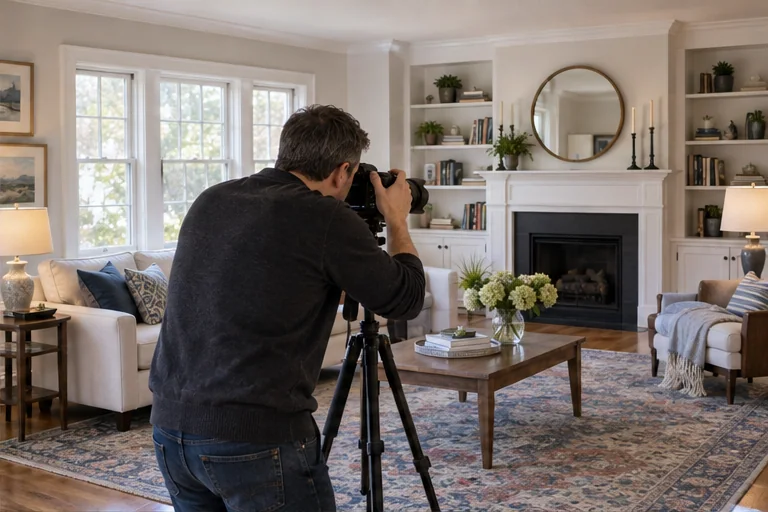
Clear the route through the room, put away items that obscure counters or doorways, and let the room keep its real purpose. A buyer should be able to understand how the space is used without the marketing image pretending that stored belongings, built-ins, or furniture do not exist. Keep valuable or private items secure before photographs and showings.
Plan a truthful photo story
Agree on the essential views with the agent and photographer. A useful sequence can help a prospective buyer understand the entry, room connections, key living spaces, and outdoor areas without implying a layout the home does not have. Check that the final images match the current condition and that captions accurately describe included features.
Before the appointment, decide what may be moved and who is responsible for returning it. If weather, access, or a room's condition changes, discuss whether rescheduling is better than publishing an incomplete or confusing representation. Never digitally remove a material property feature or alter an image in a way that misleads a buyer.
Make showings repeatable while you live there
Choose a short reset routine your household can sustain. Agree on notice, pets, work schedules, valuables, parking, and which personal items should be put away. Keep a log of questions from visitors so answers stay consistent. If someone asks about a system or improvement that you do not know, say that you will verify it rather than improvise.
The preparation board on this page lets you sort decisions into practical lanes. For a Framingham sale, talk with Rita about the property and your timing. Bring the records you found, the questions still open, and the projects you are weighing; you can learn about Rita's local services before deciding what support is useful.