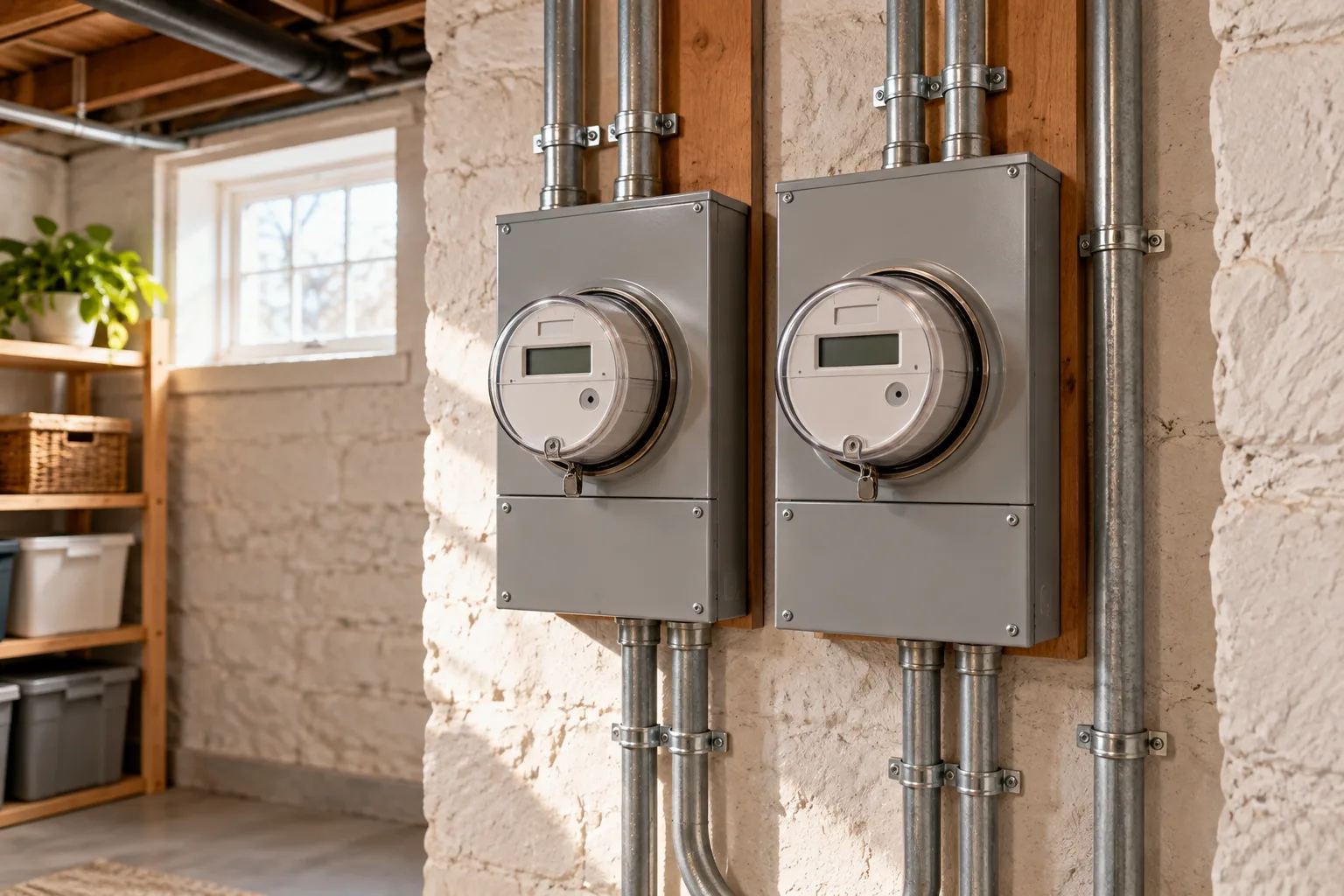
Do not infer the service from the meter label
Two meters on a wall do not, by themselves, establish which unit or shared system each one serves. Ask the seller for recent bills and a written explanation of the current arrangement. Compare account addresses, meter identifiers, unit references, service types, and billing periods. Keep a note of what a document actually states and what remains an assumption.
Ask the utility provider how a buyer can confirm the service connection for the property and whether the provider can discuss account or meter details before a transfer. Do not use the seller's login or change an account during due diligence. A provider's answer, a bill, and a physical label may each describe a different piece of the arrangement.
Map common areas and shared equipment
List the heating, hot water, laundry, exterior lighting, hallways, and other systems that may serve more than one unit. Ask which account pays for each and how the current arrangement is documented. If a unit lease addresses utilities, review the exact lease with your attorney and compare it with the available bills. Do not assume that one unit pays only for its own use because the panel or meter is nearby.
If the wiring, pipes, or meter connections are unclear, ask a licensed electrician, plumber, utility professional, or other qualified specialist what inspection is appropriate. Never open meter equipment or electrical panels yourself. Request records or a written report if you need to rely on the mapping for your operating budget.
Include the arrangement in your purchase review
Create a table with unit or shared area, service type, account or meter source, who currently pays, supporting record, and question to resolve. Ask the lender, insurer, attorney, and tax professional what documents they need for the intended use. A seller's informal explanation is helpful background but does not replace account records, leases, inspection, or professional advice.
For an owner-occupant or investor, model the property's costs using verified information and flag the unknowns. Confirm any proposed change to the metering or billing setup with the utility, town, and qualified trade professionals before assuming it can be made after closing.
Buyers reviewing a multi-family home in Boston MetroWest can ask Rita to help coordinate the property questions. Meter connections, billing responsibility, and legal arrangements must be verified for the specific address.