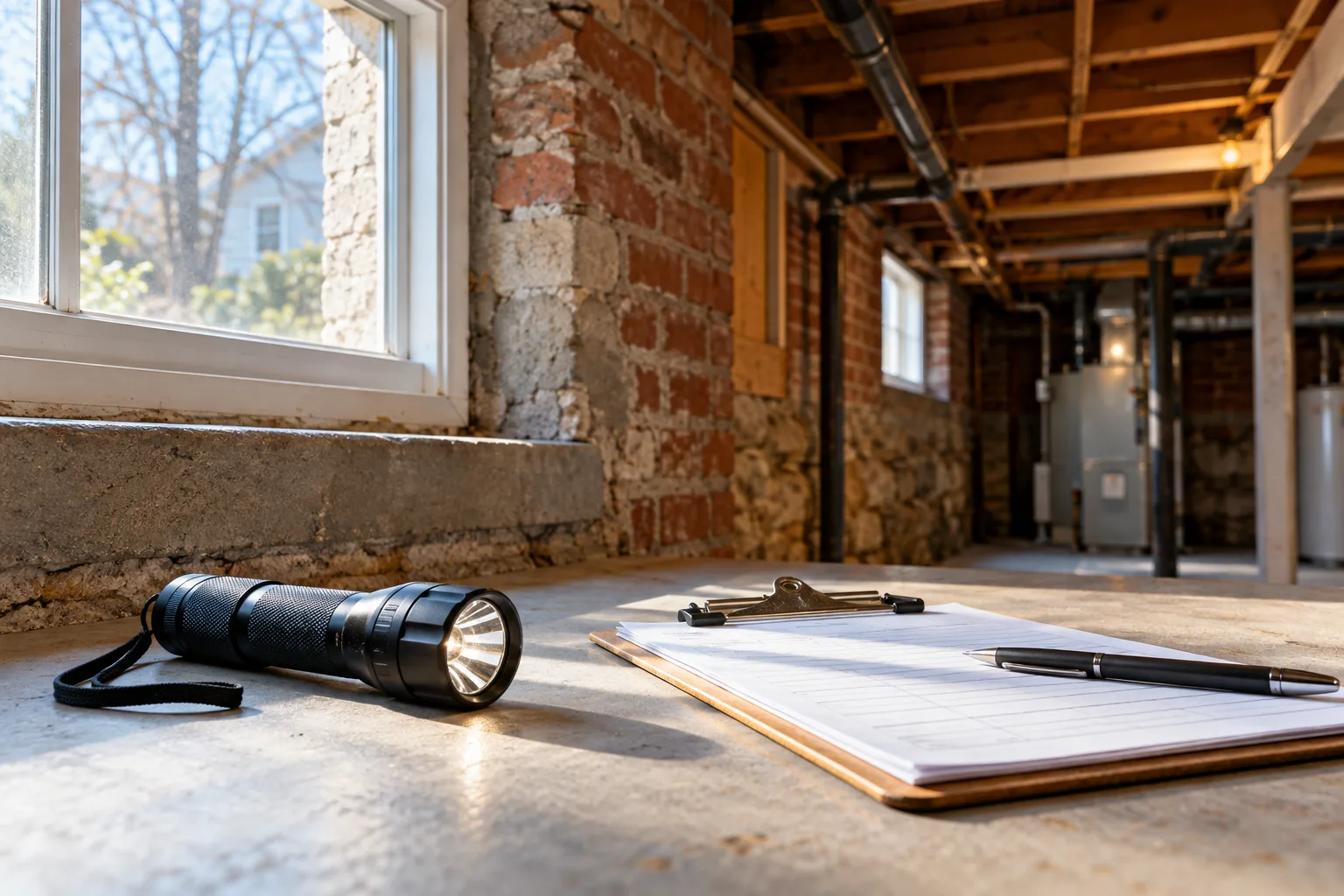
Prepare your questions before the inspector arrives
Read the inspection agreement and ask the inspector how the visit will work, what areas are included, and which limits apply. Bring a short list of questions from your showing and any property records you have received. Share the information that may help the inspector understand the home, but do not ask a general inspection to answer questions outside its scope.
If you are buying in Massachusetts, check your contract and ask your attorney and agent about the timing, access, and process that apply to your purchase. The schedule and responsibilities depend on your actual agreement. Confirm who may attend, how long the appointment is expected to take, and when you will receive the report.
Observe, ask, and take notes without diagnosing
Use the visit to understand where the inspector sees an item worth explaining. Ask what was observed, what could not be accessed, and whether the report recommends evaluation by another specialist. A visible mark or sound is a question; it does not establish a cause or the cost of a repair.
Keep notes in three groups: inspector observation, your question, and follow-up source. If an item concerns structure, electrical work, a private well, septic system, pest activity, roof condition, or another specialty, ask which qualified professional can evaluate it. For local records, contact the relevant town department. For financing, insurance, and legal questions, speak with your lender, insurer, and attorney.
Do not operate equipment, move stored items, enter unsafe areas, or ask the inspector to disturb the property. Follow the inspector's access and safety directions. Your role is to listen and understand; a qualified specialist may need a separate visit to evaluate a specific system.
Review the report in order of importance to you
When the report arrives, read its scope and limitations before treating a summary as complete. Make a list of items you want clarified, who can answer each one, and any relevant deadline in your agreement. Ask the inspector to explain their own observations. Ask a contractor or specialist for scope and estimates if you are considering work. Keep the original report intact and store any additional evaluation with it.
An inspection is one source of information, not a prediction about every future repair. Use the findings with your budget, contract, records, and professional advice to decide what matters to you. Buyers in Boston MetroWest can ask Rita to help coordinate the real-estate follow-up while the appropriate specialists address technical questions.