Start with the decision behind check flood map when buying a home
A useful review starts with a decision you can name. For this address, separate what you personally need from what a listing suggests, then write down how much time you have to confirm each point. That keeps a home search grounded in your routine, budget, and evidence rather than a general description of a neighborhood or property type.
A flood map is one source for understanding mapped flood risk; it does not describe every drainage or water history issue at a parcel. Review the exact address with official sources, ask the insurer about coverage, and request property-specific records. A map boundary should not be interpreted as a guarantee that flooding can or cannot occur.
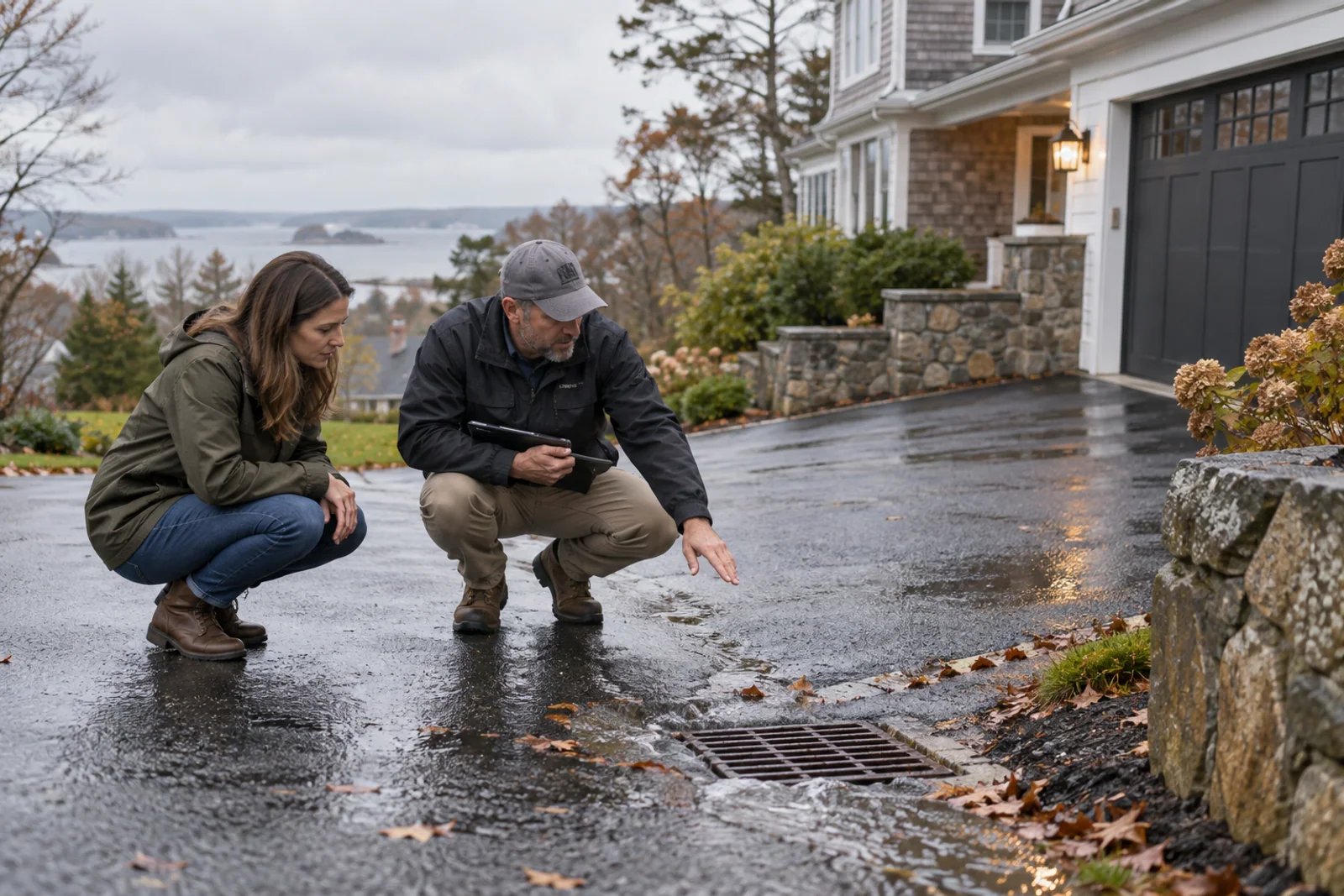
A parcel can sit near a mapped boundary, have a basement history, or be affected by local drainage that is not apparent from a broad map. Elevation, building changes, and insurance requirements may need additional review. Ask the town which local records or studies are available for the street.
Turn the question into a property-level review
Separate mapped designation, observed site conditions, reported history, and insurance availability. If the address raises concern, request an elevation or drainage professional's review and understand any policy quote before making a budget assumption. Follow the lender and attorney on deadlines and disclosures.
For a useful review, keep the address and the exact feature in view. Ask whether the answer applies to the whole home, a single room, a shared area, or a particular date. If the property has changed since a document was created, note what changed and who can confirm the present condition. A good comparison does not hide uncertainty; it makes the unresolved part visible early enough to act on it.
Gather evidence from the right source
Consult FEMA's Flood Map Service Center, the town's current hazard or drainage resources, any elevation certificate, prior insurance information the seller can share, and dated water-entry records. Ask the insurance agent how the address affects coverage, exclusions, and lender requirements.
A source is useful only when it can answer the specific question in front of you. Keep its date, scope, and limitations beside your notes. If the information is incomplete, label it as open instead of filling the gap with a broad rule or an assumption from another property.
When information crosses professional boundaries, keep the questions separate. A lender can explain financing assumptions but does not inspect the building. A contractor can scope work but may not determine a legal right. A municipal record can document an approval but may not describe the current physical condition. Ask the source what its answer covers and what would require another review.
Compare the actual alternatives
Use the same criteria for every address so the comparison stays fair. Mark each point as observed, documented, estimated, or unknown. A simple note about what would change your decision is more useful than an overall score that hides a budget limit or a property-specific concern.
Do not rely on a colored map screenshot, a neighbor's story, or an online estimate as a complete property-risk assessment. Flood designations and insurance terms can change. Confirm source date and parcel location, and ask the relevant professional to explain limitations.
For each property, keep a short record of the address, date checked, source, answer, and next step. Do not compare a confirmed fact for one home with an estimate for another as if both had the same confidence. If the cost or timing could change your decision, request a current written answer before treating the comparison as settled.
A focused checklist
- Search the exact parcel in official mapping tools.
- Ask the town and insurer about property-specific records.
- Treat map status and real-world drainage as separate questions.
Decide what to do next
Save the map result, source, retrieval date, and insurance response with the property records. Buyers considering a home in Boston MetroWest can organize questions with Rita while insurance, elevation, and legal interpretation remain with qualified specialists.
Real-estate coordination can help organize the sequence and make the next question easier to ask. Technical condition belongs with the relevant inspector or contractor; financing belongs with a lender; legal meaning belongs with an attorney; and public records belong with the responsible municipal or state office.
A useful next step is small and specific: request one record, book one qualified review, test one route, or compare one dated quote. Save what you learn and revisit the decision using the same criteria. Buyers and sellers exploring Boston and MetroWest can talk with Rita about a practical property plan or learn more about her local real-estate work. The conversation can organize the real-estate process; it does not replace legal, lending, inspection, insurance, tax, or construction advice.