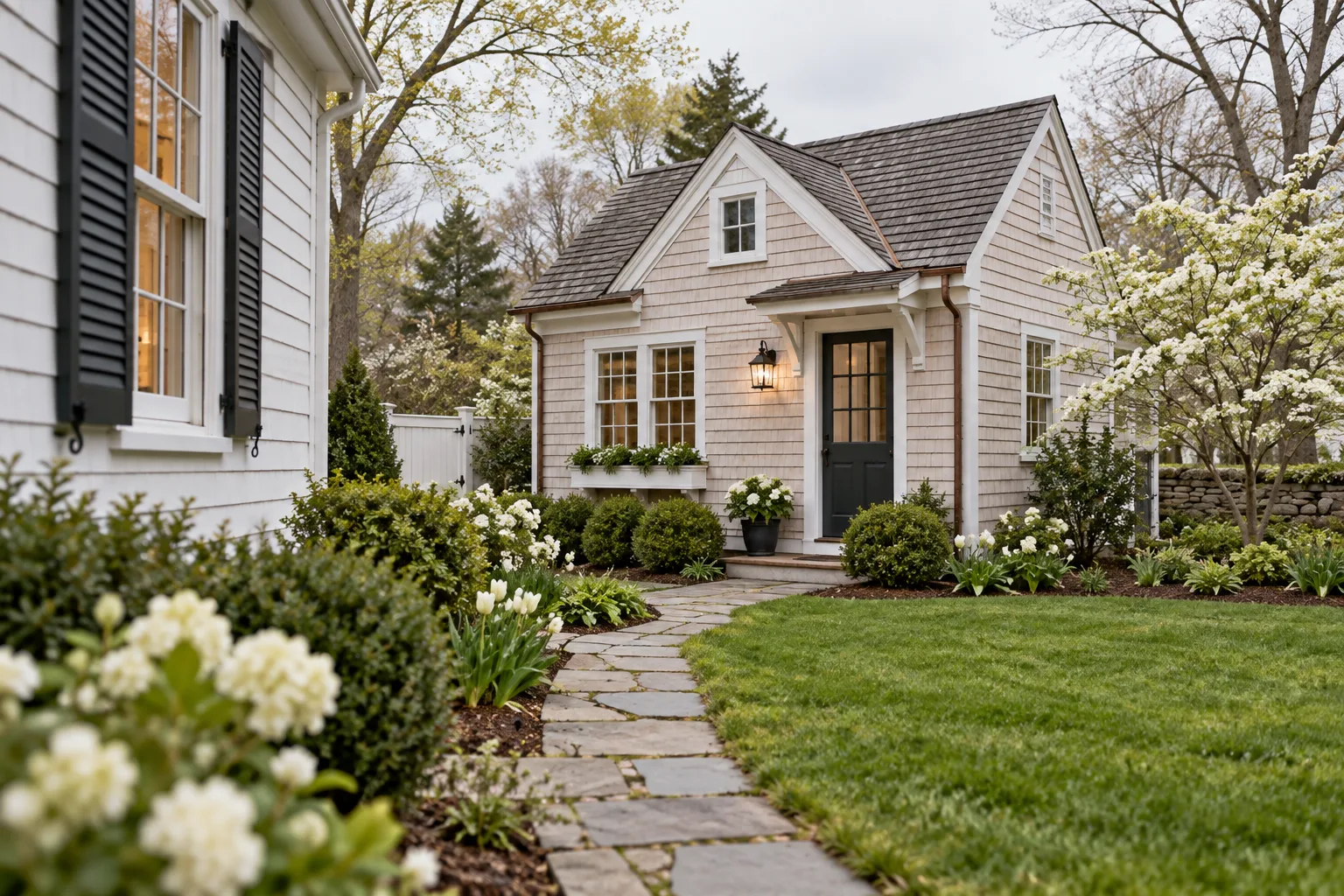
Start with what the town has on record
A small detached building can serve different purposes, and its appearance does not establish its approved use. Ask the seller for plans, permit records, final inspections, utility information, and any correspondence related to the cottage. Then contact the town building and planning offices to ask which records exist for the exact address and whether the current use matches what the records describe.
Ask who can confirm the building's dimensions, occupancy status, utilities, and any conditions attached to its approval. If the seller describes it as a rental or separate residence, treat that as a question to verify, not proof of permitted use. Ask your attorney which documents or representations matter to your purchase.
Inspect the cottage and its connections separately
Include the detached structure in your inspection and request a qualified evaluation of its roof, foundation, electrical, plumbing, heating, ventilation, and other systems. Ask what is served by the main house and what has separate controls or meters. Do not assume that a visible meter, kitchenette, or bathroom verifies an independent utility connection or approved dwelling.
Review access between the home and cottage, privacy, parking, paths, drainage, and the placement of exterior equipment. Ask whether the property has shared systems, easements, maintenance agreements, or insurance arrangements that include the building. If any record refers to a plan or approval, request the complete document and ask the appropriate professional to interpret it.
Match the verified use to your plans
Write down how you hope to use the space—guest room, workspace, family accommodation, or another purpose—and ask the town, insurer, lender, and attorney which details each needs to confirm. Future rental or occupancy plans may raise separate local, legal, tax, insurance, or financing questions. Get answers from the responsible office or professional before using potential income or flexibility in your purchase budget.
Keep a list of source, date, and open question for every important fact. If a permit, inspection, or utility record is missing, ask the town and your attorney what that means for the transaction. A general article cannot determine whether a specific cottage is compliant or suitable for your intended use.
Buyers considering a property with a detached cottage in Boston MetroWest can talk through the real-estate questions with Rita. Verify approvals, condition, and legal or financial implications with the appropriate specialists.