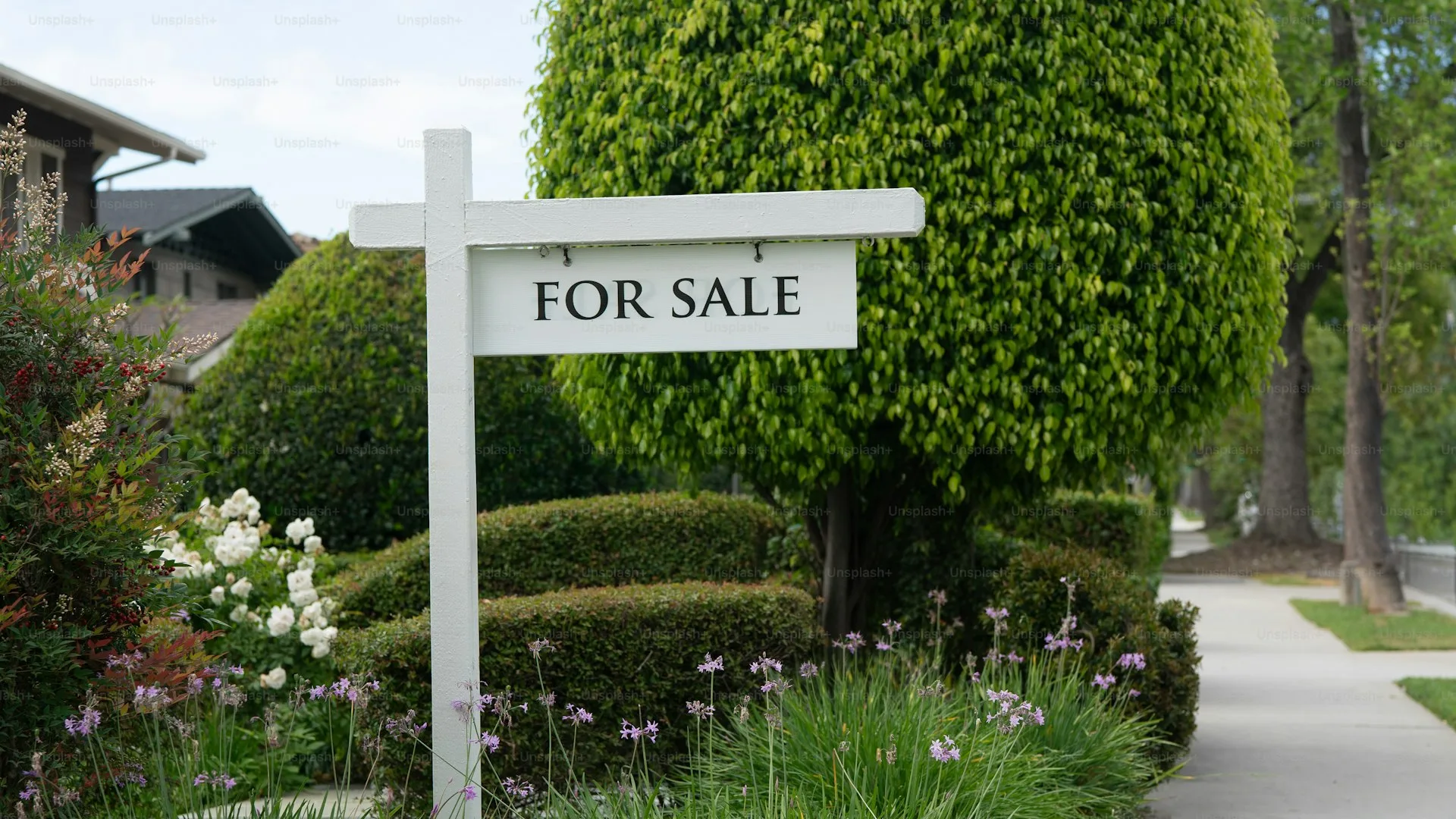
Is now a good time to sell my Natick home?
A Natick-focused decision checklist: timing, competition, prep, and what “waiting” really costs.
The short version
- Micro-neighborhood competition: similar homes nearby are your real benchmark.
- Condition and presentation: buyers pay for clarity and “move-in ready” confidence.
- Price band behavior: demand looks different at each tier.
The short answer: sometimes. The useful answer: you can decide with a simple Natick-specific checklist.
Start with your timeline (not the headlines)
If you need to move in the next 60–90 days, you’re playing a different game than someone who can wait until the next “perfect” season. Your timeline determines pricing flexibility, prep scope, and how aggressive you can be with your launch date.
What actually changes the outcome
- Micro-neighborhood competition: similar homes nearby are your real benchmark.
- Condition and presentation: buyers pay for clarity and “move-in ready” confidence.
- Price band behavior: demand looks different at each tier.
- Your plan B: if you don’t hit your number, what’s the decision (rent, stay, relist)?
When waiting is smart
Waiting can be smart if the home needs targeted improvements that clearly raise perceived value (not endless renovations), or if your next step depends on specific inventory.
When selling now is the right call
Selling now is right when you can price with precision, launch with strong presentation, and you have a clean next step. Clarity converts.
If you want, send your address (or cross-street), approximate updates, and timing. I’ll reply with 2–3 realistic scenarios (sell now vs wait) based on comparable homes.
FAQ
Do I need to renovate everything before I sell?
How long does it take to sell?
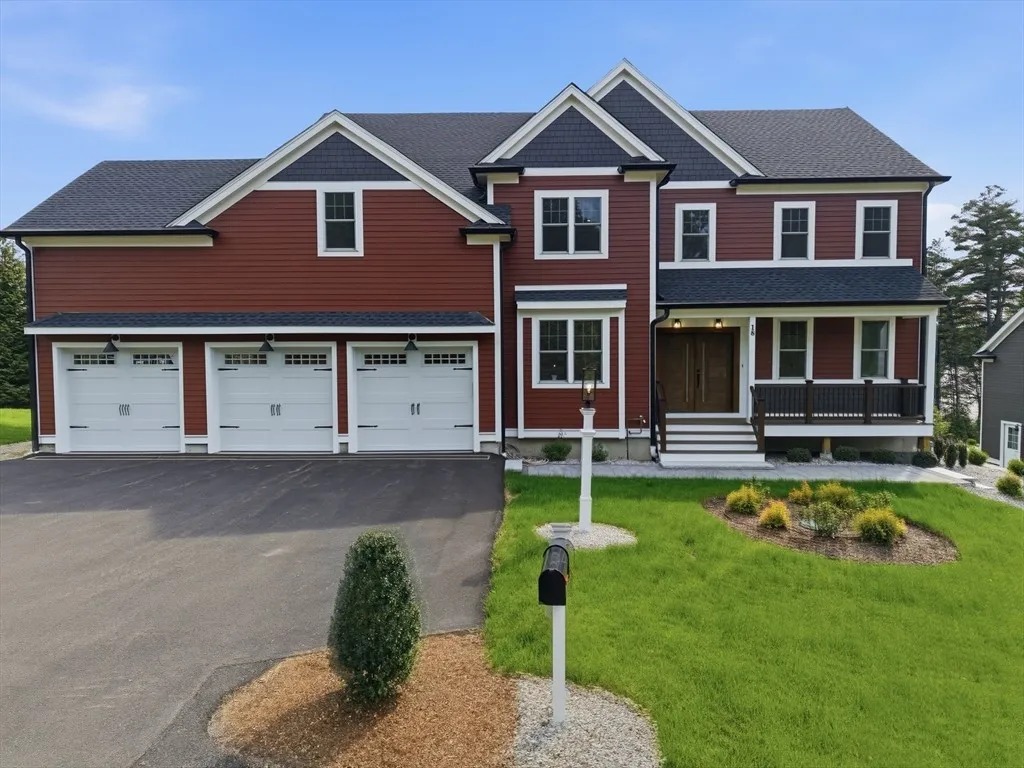
Explore listings connected to this market topic
More guidance for this decision

What $1.5 million buys in Natick (and how to shortlist fast)
A practical Natick price-point guide: what changes value, how pockets differ, and how to tour intelligently at the $1.5M level.

Confidentially Selling a High-Value Property (MetroWest: Private, Premium, Controlled)
A discreet guide for high-value MetroWest sellers: private vs public launches, qualified-buyer screening, privacy-first marketing, and how to protect price without overexposure.

What to Do With a Home After Probate (Massachusetts + MetroWest)
A practical decision guide after probate: keep, rent, sell as-is, or prepare—plus how to protect value and reduce family friction in MetroWest.